
More than 1 in 3 Americans can’t get enough sleep. This is a big problem that affects many lives. If you can’t sleep at night, you might be dealing with insomnia or anxiety.
Sleep is very important for our bodies. Anxiety can make it hard to relax and sleep. Your brain might feel like it’s in a fight, making it hard to rest.
It’s important to understand how sleep, anxiety, and insomnia are connected. Each night without sleep can hurt your mind and body. This can make it hard to break the cycle.
Key Takeaways
- Sleep deprivation affects over 33% of Americans
- Anxiety and insomnia are closely interconnected
- Identifying sleep disruption triggers is essential
- Quality sleep is fundamental to overall health
- Professional help can provide effective sleep solutions
Introduction
Sleep is more than just resting. When anxiety and insomnia meet, it’s tough on your health. Knowing how stress impacts sleep is key to stopping this bad cycle.
The Intricate Connection Between Insomnia and Anxiety
Studies show a deep link between sleep issues and mental health. Insomnia symptoms often come from constant anxiety. Your brain gets stuck in a loop where:
- Anxiety stops you from sleeping
- Not sleeping makes anxiety worse
- Thoughts racing at night mess up sleep
“Sleep is the golden chain that binds health and our bodies together.” – Thomas Dekker
Sleep Problems: Beyond Simple Restlessness
Sleep troubles are serious health issues. They can mess up many parts of your life. People with anxiety and sleep disorders might face:
- Less sharp thinking
- Feeling emotionally unstable
- A weaker immune system
- Being more stressed
About 36.42% of those with sleep problems face extra stress. This shows how complex these health issues are.
What is Insomnia?
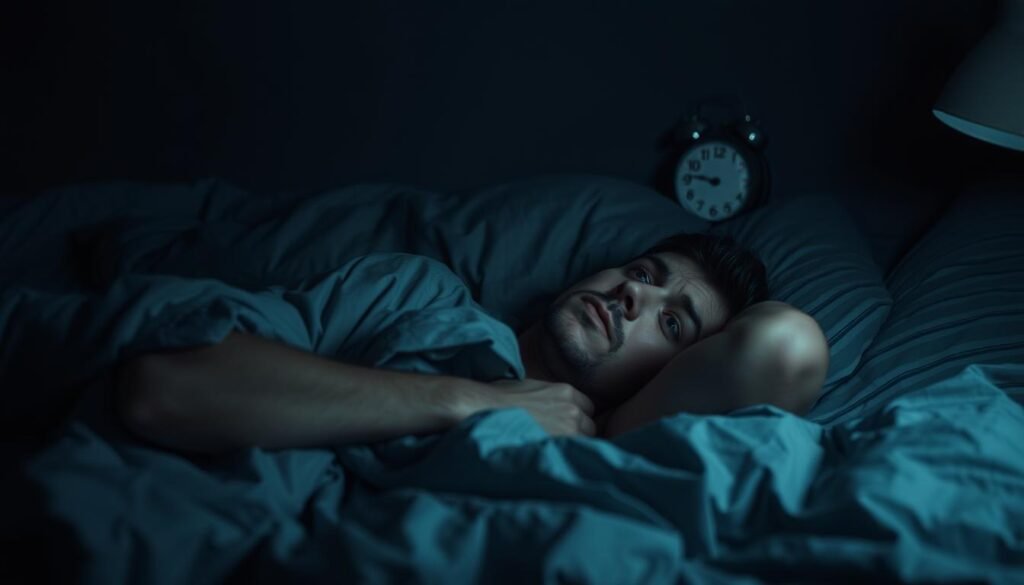
Sleep problems can be really tough. Knowing about insomnia helps you tackle your sleep issues. About 10% of people worldwide have insomnia, making it a big health issue.
Unraveling Insomnia Symptoms
Insomnia can mess up your sleep in many ways. You might find it hard to fall asleep, wake up too early, or not feel refreshed. You could also feel tired and grumpy during the day.
Sleep problems can really hurt your mind and body. Most adults need 7 to 9 hours of sleep each day. But insomnia can make your sleep much worse.
Root Causes of Sleep Disturbances
Many things can cause sleepless nights. Some main reasons include:
- Medical issues like chronic pain or heart problems
- Mental health problems
- Genetics
- Stress and big changes in your life
| Insomnia Type | Duration | Characteristics |
|---|---|---|
| Acute Insomnia | Short-term | Temporary sleep disruption |
| Chronic Insomnia | Long-term | Persistent sleep problems |
“Understanding your sleep patterns is the first step towards healing.”
Knowing your insomnia symptoms is key. It helps you find ways to sleep better and feel better overall.
What is Anxiety-Induced Insomnia?
Anxiety can turn your mind into a battlefield, making it hard to sleep. This condition, known as anxiety-induced insomnia, happens when stress affects your sleep. Almost 49% of people say they worry more about falling asleep because of racing thoughts and feelings.
How Anxiety Disrupts Sleep Patterns
Anxiety makes your body feel alert. This makes it hard to fall asleep. The cycle of anxiety and sleep problems is tough to break:
- Stress hormones like cortisol surge
- Muscle tension increases
- Mental chatter becomes overwhelming
- Breathing becomes rapid and shallow
Signs Your Mind is Keeping You Awake
It’s important to know if you have insomnia or anxiety. Look out for these signs:
- Persistent racing thoughts at bedtime
- Difficulty calming your mind
- Waking up multiple times with worry
- Physical symptoms like rapid heartbeat
*About 30% of women have trouble sleeping at least once a week, compared to 16% of men.*
To stop anxiety-induced insomnia, you need to know what triggers it. Then, use strategies to manage your mental health and sleep.
How to Determine the Cause of Your Sleeplessness
Figuring out why you can’t sleep is key to solving your sleep problems. Sleep issues can mix anxiety and insomnia in complex ways. Knowing what’s behind your sleep troubles is the first step to better sleep.
Recognizing Anxiety Symptoms at Night
Night-time anxiety shows up in several ways that can mess with your sleep. Look out for these signs:
- Racing thoughts that keep you awake
- Physical tension in your muscles
- Increased heart rate when trying to sleep
- Frequent worry about the future
Sleep Tracking and Stress Journaling
To figure out if it’s insomnia or anxiety, try tracking your sleep. A detailed sleep journal can give you insights into your sleep habits.
“Knowledge is the first step toward healing. Understanding your sleep patterns can unlock the key to better rest.”
Good sleep habits include:
- Recording when you go to bed and wake up
- Noting any anxiety triggers before bed
- Tracking how long and well you sleep
- Keeping track of caffeine and screen time before bed
If sleep problems keep you up, talking to a psychotherapist can help. They might suggest cognitive behavioral therapy (CBT-I) or EMDR therapy. These can help you manage anxiety and sleep better.
Solutions for Insomnia and Anxiety

Dealing with sleep problems needs a full plan that covers both mind and body. Finding the right insomnia treatments means knowing your sleep habits and using specific methods.
Cognitive Behavioral Therapy for Sleep
Cognitive Behavioral Therapy for Insomnia (CBT-I) is a strong tool against sleep issues. Mayo Clinic research shows CBT-I can help 70-80% of people sleep better. It works by changing how we think and act about sleep.
- Identify negative sleep-related thoughts
- Develop healthy sleep habits
- Restructure counterproductive beliefs about sleep
Relaxation Techniques for Sleep-Induced Anxiety
Mindfulness helps a lot with sleep problems caused by anxiety. Relaxation methods can cut down on stress at night and help you sleep better.
| Technique | Benefit | Duration |
|---|---|---|
| Deep Breathing | Reduces stress hormones | 5-10 minutes |
| Progressive Muscle Relaxation | Releases physical tension | 15-20 minutes |
| Guided Meditation | Calms mental chatter | 10-15 minutes |
“Sleep is the golden chain that binds health and our bodies together.” – Thomas Dekker
Beating sleep problems is a journey for yourself. Using these methods regularly can really improve your sleep and mental health.
Conclusion
Understanding the link between insomnia and anxiety is key to better sleep. You’ve learned that beating sleepless nights needs a full plan, not just quick fixes. Choosing between medicine and natural remedies is tough, as everyone is different.
Finding out why you can’t sleep is the first step to healing. If anxiety or chronic insomnia is your problem, be patient and use smart strategies. Cognitive Behavioral Therapy for Insomnia (CBT-I) works well for many people with long-lasting sleep issues.
Getting better sleep doesn’t have to feel like a big task. Start using what you’ve learned, like managing stress and improving sleep habits. Remember, getting good sleep takes time and effort. But with dedication and maybe help from a pro, you can sleep better.
The main goal is to fix the real reasons for your sleep troubles. Use expert advice, natural methods, and care for your mind and body. This way, you can make your nights peaceful and restful.
FAQ
What’s the difference between insomnia and anxiety-related sleep problems?
Insomnia makes it hard to fall or stay asleep. Anxiety-related sleep issues come from mental health worries. Anxiety can make you think too much and feel tense, making it hard to sleep.
How can I tell if my sleep issues are caused by anxiety or insomnia?
Look for signs like racing thoughts and physical tension at night. A sleep and stress journal can track patterns. Anxiety sleep issues often involve thinking too much, while insomnia might be caused by outside factors.
Can anxiety and insomnia make each other worse?
Yes, they can. Anxiety can stop you from sleeping, and not sleeping can make anxiety worse. This creates a cycle that’s hard to break.
What are the most effective treatments for anxiety-induced sleep problems?
Treatments include Cognitive Behavioral Therapy for Insomnia (CBT-I) and relaxation techniques. Mindfulness meditation and consistent sleep routines can also help. Exercise and stress management are key.
How long does it typically take to resolve sleep issues related to anxiety?
It depends on the person and the treatment. Some see improvements quickly, while others take months. Working with a mental health professional is often necessary.
Are there natural remedies that can help with anxiety-related insomnia?
Yes, natural remedies like meditation and herbal supplements can help. Regular exercise and a consistent sleep routine are also beneficial. Always talk to a healthcare provider first.
When should I seek professional help for my sleep issues?
Seek help if sleep problems last more than a few weeks. If they affect your daily life or cause extreme tiredness, get professional help. A healthcare professional can create a treatment plan.
Can medications help with anxiety-induced insomnia?
Medications can help in some cases. But they’re usually for short-term use. Always use them under a doctor’s guidance. The best long-term solution combines medication with therapy and lifestyle changes.
Source Links
- 5 Stages of Sleep Deprivation – eachnight
- 4 Sleep Problems Related to Heart Failure and Tips for Managing Them
- Why You Wake Up at 3 a.m., and How to Get Back to Sleep
- Weight Bias Internalization is Positively Associated with Insomnia Symptom Severity in Young Women with Disordered Eating
- Associations between nonrestorative sleep and suicidal ideation: a Japanese general population survey – Scientific Reports
- What are the Causes and Symptoms of Insomnia
- Anxiety disorders – Knowledge @ AMBOSS
- Anxiety disorder | Definition, Types, Causes, Symptoms, Treatments, & Facts | Britannica
- Somatic Mimics: How Anxiety Tricks the Body
- STRESS EFFECTS – The American Institute of Stress
- Sleep and sleep disorders – Knowledge @ AMBOSS
- How to Identify Insomnia Symptoms: A Comprehensive Guide for Better Sleep – HealthSy Article
- How the brain’s little blue dot regulates your sleep
- 16 Simple Ways to Relieve Stress and Anxiety
- Coping with Anxiety: Strategies to Regain Control
- What is sleep management?
- Dynamic impact of the sleep disorder, depression and anxiety on the co | PRBM
- Frontiers | The moderating effects of physical activity on social anxiety and sleep disturbance: managing gaming disorder in young e-sports players
- CBT for Sleeping Disorders | Oxford CBT