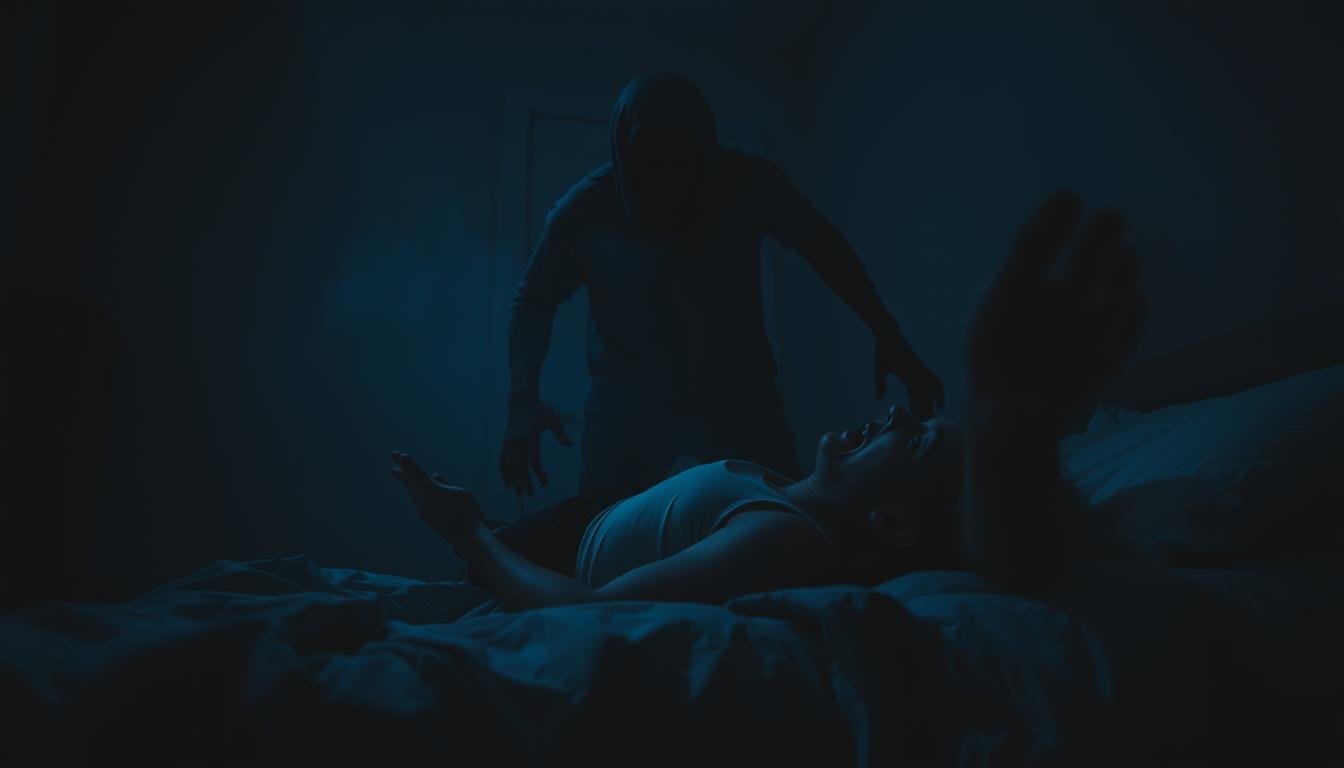
Did you know 8% of people have sleep paralysis at least once? It can turn a calm night into a scary one. Knowing what causes sleep paralysis can help understand this strange experience.
Sleep paralysis happens when you’re switching from awake to asleep. Your mind is awake, but your body can’t move. It’s linked to REM sleep patterns, when dreams happen but you can’t move.
The science behind sleep paralysis is complex. It involves how your brain sleeps and stays awake. Though it might scare you, it’s usually safe. It can be caused by not sleeping enough, irregular sleep, or mental health issues.
Key Takeaways
- Sleep paralysis affects approximately 8% of people
- The condition occurs during sleep-wake transitions
- It’s closely related to REM sleep mechanisms
- Multiple factors can trigger sleep paralysis
- Most experiences are harmless and temporary
Introduction
Sleep paralysis is a scary experience that makes people feel trapped and confused. It’s like waking up and finding you can’t move or speak, even though you’re awake. This feeling of being unable to move is very frightening and can make you feel helpless.
What Exactly is Sleep Paralysis?
Sleep paralysis happens when you’re falling asleep or waking up. Your body can’t move, but your mind is wide awake. It happens when you’re switching from being awake to asleep, usually during REM sleep.
- Occurs during falling asleep or waking up
- Involves temporary muscle immobility
- Typically lasts a few seconds to a few minutes
- Completely normal and not typically dangerous
The Psychological Landscape of Sleep Paralysis
Is sleep paralysis dangerous? No, it’s not. It’s scary, but it’s not harmful. People often see things that aren’t there or feel a heavy weight on their chest. These hallucinations make the experience even more frightening.
“The mind creates monsters in moments of vulnerability” – Sleep Research Expert
| Experience | Sleep Paralysis | Nightmares |
|---|---|---|
| Physical Movement | Cannot move | Can move normally |
| Consciousness | Fully aware | Typically unconscious |
| Duration | Seconds to minutes | Varies during sleep |
Learning about sleep paralysis can make it less scary. It’s a natural part of sleep and doesn’t mean you have a serious health problem.
The Science of Sleep Paralysis
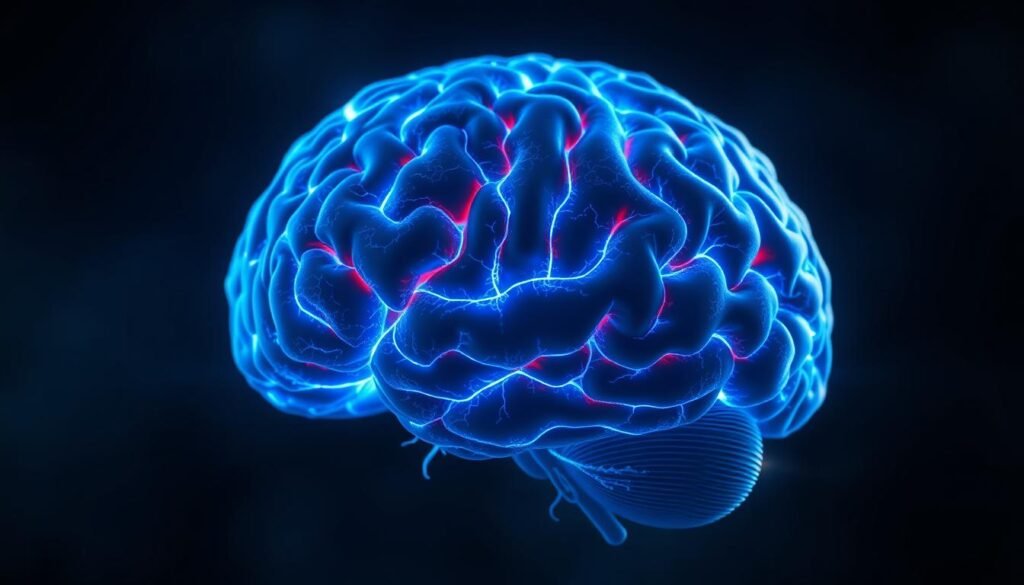
Learning about REM sleep paralysis can make it less scary. Sleep changes a lot, like in the rapid eye movement (REM) stage.
How REM Sleep Controls Muscle Movement
In REM sleep, your brain stops most muscles from moving. This keeps you from acting out your dreams. Sleep paralysis happens when sleep and wake states mix up.
- Muscle atonia protects you from physical reactions during dream states
- Brain signals temporarily disconnect from muscle control
- Neurological mechanisms ensure dream safety
Brain Activity During Unusual Sleep States
Research shows interesting brain activity in sleep paralysis. Some brain areas work too much, making it a unique experience.
| Brain Region | Activity During Sleep Paralysis |
|---|---|
| Amygdala | Heightened fear response |
| Motor Cortex | Reduced muscle control signals |
| Sensory Cortex | Increased sensory perception |
*”Sleep paralysis represents a fascinating intersection between consciousness and unconsciousness,”* notes Dr. Matthew Walker, sleep research expert.
Your brain’s complex actions in sleep paralysis episodes cause a brief gap between knowing and moving. Knowing this can lessen fear and offer a peek into this enigmatic event.
Common Causes of Sleep Paralysis
Learning about sleep paralysis can help you avoid these scary moments. It’s a sleep disorder that affects about 8% of people. Many things can make it happen.
Sleep Deprivation and Irregular Sleep Schedules
Your sleep habits are key to avoiding sleep paralysis. Research shows bad sleep habits raise your risk a lot. Important factors include:
- Getting fewer than 6 hours of sleep
- Inconsistent sleep times
- Sleeping in a supine (back) position
Not getting enough sleep can make sleep paralysis worse by up to 55%. The teenage years are very risky, with most first times happening then.
Anxiety, Stress, and Mental Health Factors
Mental health is also a big factor in sleep paralysis. Some mental health issues make it happen more often:
| Mental Health Condition | Sleep Paralysis Prevalence |
|---|---|
| PTSD | 40% of patients |
| Generalized Anxiety Disorder | Increased risk |
| Panic Disorder | Higher occurrence rates |
“Sleep paralysis is not just a physical experience, but often deeply connected to our mental and emotional state.”
To fight recurring sleep paralysis, start with good sleep habits and stress control. Regular exercise, set sleep times, and relax more. These steps can lower your risk of these sleep disorders.
Sleep Paralysis Hallucinations
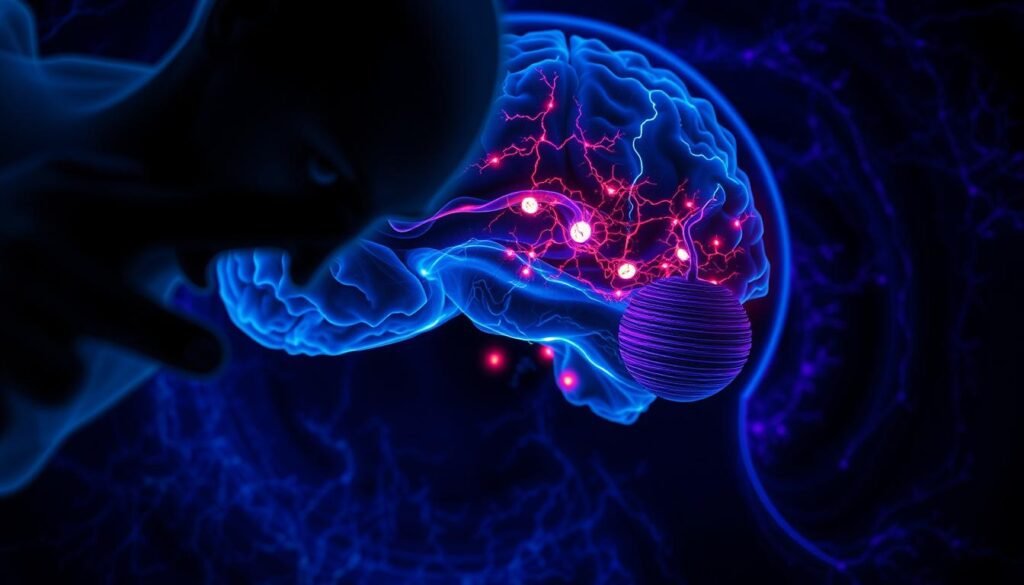
Sleep paralysis hallucinations can be very scary. They happen when you’re switching from being awake to asleep. This creates a unique brain event that makes people feel scared and confused.
The Link Between the Brain and Dreaming
Your brain does something interesting during sleep paralysis. It mixes dreams with reality. Studies say sleep paralysis hallucinations happen when you’re awake but dreaming. This can make you feel like what you’re seeing is real.
- 71% of individuals with specific sleep disorders experience hypnagogic hallucinations
- 40% of people without sleep disorders report similar experiences
- 25% of individuals experience temporary sleep paralysis episodes
Why Some People See Shadow Figures
Seeing shadow figures in sleep paralysis isn’t a sign of mental illness. Is sleep paralysis dangerous? Experts say it’s just your brain’s way of processing dreams.
The human brain can create incredibly vivid perceptual experiences during these transitional sleep states.
| Sleep Paralysis Characteristic | Prevalence |
|---|---|
| Hypnagogic Hallucinations | 40-71% |
| Shadow Figure Perception | 30-50% |
| Frequency of Episodes | Varies by Individual |
Learning about these hallucinations can make you less scared. It turns a scary experience into something interesting to learn about.
How to Prevent Sleep Paralysis
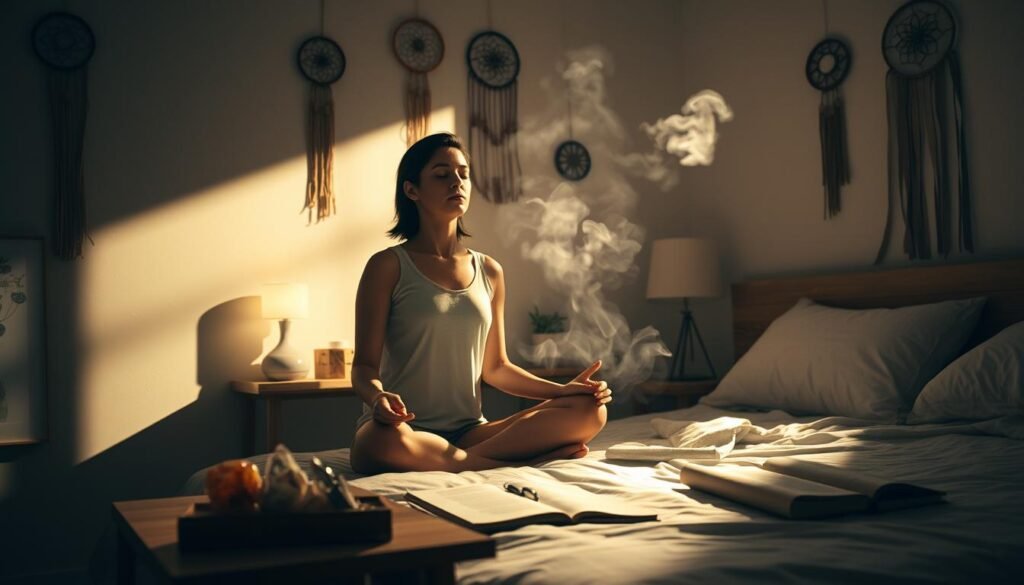
Sleep paralysis can really mess up your sleep. It’s important to know how to stop it. This helps keep your sleep healthy and lowers anxiety.
Effective Sleep Hygiene Strategies
Good sleep habits are key to avoiding sleep paralysis. How you sleep affects your chances of having these scary episodes.
- Maintain a consistent sleep schedule
- Create a relaxing bedtime routine
- Optimize your sleep environment
- Reduce stress and anxiety before bedtime
Relaxation Techniques to Minimize Sleep Disorders
Lowering stress is vital in avoiding sleep paralysis. Mindfulness meditation and deep breathing exercises can calm your mind and body for sleep.
Research shows up to 40% of people have sleep paralysis at some point. So, it’s important to prevent it.
| Technique | Impact on Sleep Paralysis |
|---|---|
| Consistent Sleep Schedule | Reduces sleep disruption risk |
| Stress Reduction Methods | Minimizes anxiety-triggered episodes |
| Comfortable Sleep Environment | Promotes better sleep quality |
When to Seek Medical Guidance
Is sleep paralysis dangerous? Usually, it’s not, but if it keeps happening, it might mean you have a sleep disorder. See a doctor if:
- Sleep paralysis happens a lot
- It makes you really anxious
- You have other sleep problems
- It affects your daily life
Some medicines and treatments can help with sleep disorders and reduce sleep paralysis. A doctor can give you advice that fits your needs.
Conclusion
Sleep paralysis can be scary, but knowing why it happens helps you deal with it. By understanding what causes it, you can stop it from happening often. The Sleep Foundation says keeping a regular sleep schedule is key to avoiding it.
Your sleep health is very important. Over 1 in 3 Americans don’t get enough sleep. Knowing why sleep is disrupted is key. Using relaxation techniques, managing stress, and having a good sleep place can help a lot.
Even though sleep paralysis is scary, it’s usually not dangerous. Most people have it sometimes, and it doesn’t mean you’re sick. By taking care of your sleep, managing stress, and keeping a regular sleep time, you can make these scary moments less common.
If sleep paralysis really bothers you, talking to a sleep expert might help. They can give you tips that fit your needs. Getting better sleep is a journey of learning, patience, and taking care of yourself.
FAQ
What exactly is sleep paralysis?
Sleep paralysis is when you can’t move or speak when falling asleep or waking up. You’re awake but can’t move. It’s scary and can include hallucinations. It happens when your mind wakes up before your body does.
Is sleep paralysis dangerous?
No, sleep paralysis is not dangerous. It’s scary but harmless. But, if it happens a lot, it might mean you have a sleep or mental health issue.
How common is sleep paralysis?
Sleep paralysis is more common than you think. About 8% of people have it. It’s more common in students, people with mental health issues, and those who don’t sleep well.
What causes sleep paralysis?
Sleep paralysis can be caused by many things. Lack of sleep, irregular sleep, stress, and anxiety are some. Sleeping on your back and disrupted sleep patterns also play a role. Mental health issues and certain medicines can make it worse.
Why do people see scary hallucinations during sleep paralysis?
Hallucinations happen because your brain is switching between sleep and wake. Dream-like images can mix with your awareness. This can make you see shadow figures or feel a presence. It’s your brain’s activity during this time.
How can I prevent sleep paralysis?
To avoid sleep paralysis, improve your sleep habits. Sleep at the same time every day and relax before bed. Don’t sleep on your back and manage stress. Good sleep is key.
When should I see a doctor about sleep paralysis?
See a doctor if sleep paralysis is often, really scares you, or affects your daily life. A doctor can check for other sleep or mental health problems.
Are sleep paralysis hallucinations real?
Hallucinations in sleep paralysis feel real but aren’t. They’re your brain’s activity when it’s in a special state. They’re scary but not real threats.
Can sleep paralysis be a sign of another medical condition?
Yes, sleep paralysis can be linked to narcolepsy, sleep apnea, PTSD, or other issues. If it keeps happening, see a sleep specialist for help.
Does stress really impact sleep paralysis?
Yes, stress can make sleep paralysis worse. High stress can mess up your sleep and make you more likely to have episodes. Reducing stress can help.
Source Links
- Sleep disorder
- Nightmare
- Sleep and sleep disorders – Knowledge @ AMBOSS
- Younger onset dementia
- What is Selective Mutism?
- Causes And Symptoms Of Cataplexy – Klarity Health Library
- Seeing a demon in your room when you wake up is more common than you think
- Sleep Disorder Research News
- Unveiling the Symbolism of Sleep Paralysis Spiritual Meaning
- A waking nightmare – 8 tips for coping with sleep paralysis – Rest Less
- Hands and feet become numb while sleeping? These 4 reasons are behind it
- Can You Drive with Narcolepsy? Laws, Risks, and Tips
- Patient Perspective on the Role of Social Support in Managing Narcolepsy: Julie Flygare, JD
- 4 Sleep Problems Related to Heart Failure and Tips for Managing Them
- 5 Stages of Sleep Deprivation – eachnight
- What is Lewy Body Dementia?
- Delayed emergence (Chapter 28) – Post-Anesthesia Care