Did you know that nearly 80-90% of PTSD patients experience insomnia symptoms? This staggering statistic highlights the deep connection between trauma and disrupted sleep patterns. For many, the aftermath of a traumatic event doesn’t just affect their waking hours—it invades their nights, making restful sleep seem impossible.
Research shows that sleep disturbances, such as insomnia and nightmares, are highly prevalent among those with trauma-related disorders. These issues can severely impact daily functioning and emotional regulation, creating a cycle that’s hard to break. Understanding this connection is the first step toward improving both sleep and mental health.
Clinical studies emphasize that poor sleep doesn’t just leave you tired—it can worsen the symptoms of trauma. By addressing sleep issues, you can take a significant step toward healing and improving your quality of life.
Key Takeaways
- Nearly 80-90% of PTSD patients experience insomnia symptoms.
- Sleep disturbances are common in individuals with trauma histories.
- Poor sleep can worsen daily functioning and emotional regulation.
- Addressing sleep issues is crucial for improving mental health.
- Understanding the connection between trauma and sleep is the first step toward healing.
Understanding PTSD and Sleep Disturbances
Sleep disturbances are a hallmark of PTSD, often complicating recovery. For many, the trauma doesn’t just affect their waking hours—it disrupts their nights, making restful sleep a distant dream. Understanding this connection is crucial for effective treatment and healing.
Defining PTSD and Its Core Symptoms
Post-Traumatic Stress Disorder (PTSD) is a mental health condition triggered by experiencing or witnessing a traumatic event. Core symptoms include intrusive thoughts, flashbacks, and heightened anxiety. These symptoms can make daily life feel overwhelming and exhausting.
Sleep disturbances are also a key part of the diagnostic criteria. Nightmares and fragmented sleep are common, often replaying the trauma in vivid detail. This creates a cycle where poor sleep worsens daytime symptoms, and heightened stress disrupts sleep further.
Common Sleep Issues: Insomnia, Nightmares, and More
People with PTSD often face multiple sleep issues. Insomnia is one of the most prevalent, making it hard to fall or stay asleep. Nightmares are another frequent problem, often tied to the traumatic event itself.
Other issues include parasomnias, like sleepwalking or night terrors, and fragmented sleep patterns. These disturbances don’t just leave you tired—they can worsen emotional regulation and daily functioning.
“Sleep disturbances are not just a symptom of PTSD—they are a critical part of the disorder that needs targeted treatment.”
Early identification of these sleep issues is vital. Addressing them can break the cycle of poor sleep and worsening symptoms, paving the way for recovery.
Exploring the Link Between Insomnia and PTSD

Research highlights a critical relationship between sleep issues and trauma-related conditions. Studies show that sleep disturbances are not just symptoms but also risk factors for PTSD. Addressing these problems is essential for improving mental health outcomes.
Research Insights and Clinical Evidence
Clinical trials and longitudinal studies emphasize the importance of treating sleep problems. Poor sleep can worsen trauma symptoms, creating a cycle that’s hard to break. By improving sleep quality, you can take a significant step toward recovery.
Findings from controlled trials show that sleep-focused treatments can reduce PTSD symptoms. For example, integrating sleep therapy into PTSD treatment plans has shown promising results. This approach helps break the cycle of poor sleep and heightened stress.
“Addressing sleep disturbances is not just about rest—it’s about creating a foundation for healing.”
Early intervention in sleep issues is crucial. Research supports the idea that treating sleep problems early can prevent the worsening of trauma symptoms. This makes sleep-focused care a vital part of comprehensive PTSD treatment.
Successful treatment integration often includes therapies like Cognitive Behavioral Therapy for Insomnia (CBT-I). These methods focus on improving sleep habits and reducing anxiety. By addressing the underlying sleep condition, you can improve overall mental health.
Data from clinical studies highlights the benefits of improving sleep quality. Better sleep leads to better emotional regulation and daily functioning. This makes sleep-focused care a key component of effective PTSD treatment.
The Neurobiology of Sleep Disturbances in Trauma
Trauma can reshape your brain, especially when it comes to sleep. Neurobiological research shows that both REM and NREM sleep are affected in individuals with PTSD. These changes disrupt normal memory consolidation and emotional regulation processes, making recovery more challenging.
When you experience a traumatic event, your sleep architecture shifts. REM sleep, which is crucial for emotional processing, becomes fragmented. NREM sleep, responsible for memory consolidation, is also altered. This double disturbance creates a cycle where negative memories are over-consolidated, making it harder to move past the trauma.
REM, NREM, and the Impact on Emotional Processing
REM sleep plays a key role in processing emotions. In PTSD, this stage is often disrupted, leading to heightened anxiety and vivid nightmares. NREM sleep, on the other hand, helps store and organize memories. When this stage is disturbed, traumatic events are more likely to be recalled in detail, reinforcing the trauma.
Scientific studies using polysomnography have shown specific patterns in PTSD patients. These include reduced REM latency and increased awakenings during the night. Such disturbances not only affect sleep quality but also impair daily functioning and emotional stability.
“Disrupted sleep cycles in PTSD don’t just leave you tired—they keep you trapped in the trauma.”
Understanding these neurobiological changes is crucial. By addressing sleep disturbances, you can take a significant step toward breaking the cycle of trauma and improving your overall mental health.
Recognizing Insomnia and Nightmare Symptoms in PTSD
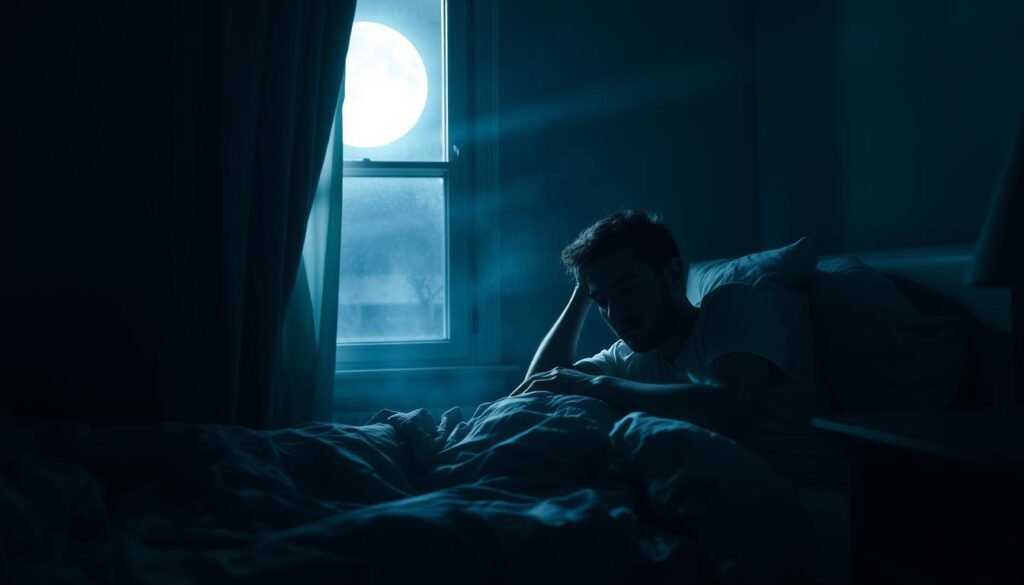
Sleep disruptions in PTSD are more than just a nuisance—they can profoundly impact your daily life. For many patients, insomnia and nightmares are not just nighttime problems. They spill over into every aspect of life, making it harder to function and increasing the risk of worsening symptoms.
Self-reported measures reveal that sleep disturbances significantly affect patients’ ability to perform daily tasks. Poor sleep quality can lead to fatigue, difficulty concentrating, and emotional instability. These challenges often create a cycle where sleep problems worsen PTSD symptoms, and heightened stress further disrupts sleep.
How Sleep Disruptions Affect Your Daily Life
Sleep issues like insomnia and nightmares can make even simple tasks feel overwhelming. Patients often report feeling exhausted during the day, which affects their work, relationships, and overall quality of life. Research shows that prolonged sleep problems are linked to higher risks of disability and functional impairment.
Clinical interviews and screening tools highlight the importance of early intervention. Recognizing sleep disturbances as a risk factor is crucial. Addressing these issues early can help break the cycle and improve daily functioning.
“Sleep problems in PTSD don’t just leave you tired—they keep you trapped in a cycle of stress and dysfunction.”
Diagnosing sleep issues specific to PTSD requires careful evaluation. It’s essential to differentiate between typical sleep problems and those tied to trauma. Detailed examples from clinical studies show how sleep quality directly influences day-to-day performance.
| Sleep Issue | Impact on Daily Life | Risk Level |
|---|---|---|
| Insomnia | Fatigue, difficulty concentrating | High |
| Nightmares | Emotional instability, fear of sleep | Moderate |
| Fragmented Sleep | Poor memory, irritability | Moderate |
Research findings support the idea that early intervention can mitigate risk. By addressing sleep problems, patients can take a significant step toward improving their mental health and overall quality of life.
Effective Psychological Treatments for Sleep Problems

Addressing sleep problems in trauma survivors requires targeted psychological treatments. These therapies not only improve sleep quality but also reduce the severity of trauma symptoms. Two of the most effective approaches are Cognitive Behavioral Therapy for Insomnia (CBT-I) and Imagery Rehearsal Therapy for Nightmares.
Cognitive Behavioral Therapy for Insomnia (CBT-I)
CBT-I is a structured program designed to address chronic sleep issues. It focuses on changing negative thoughts and behaviors that disrupt sleep. For trauma survivors, this therapy helps break the cycle of stress and sleeplessness.
The process includes sleep restriction, stimulus control, and cognitive restructuring. These techniques teach you to associate your bed with sleep rather than anxiety. Studies show that CBT-I significantly improves sleep quality and reduces PTSD symptoms.
“CBT-I doesn’t just treat insomnia—it rebuilds your relationship with sleep.”
Imagery Rehearsal Therapy for Nightmares
Imagery Rehearsal Therapy (IRT) is another powerful tool for trauma survivors. It involves rewriting the script of recurring nightmares to make them less distressing. By rehearsing these new scenarios, you can reduce the frequency and intensity of nightmares.
Clinical trials have shown that IRT leads to fewer nightmares and better sleep quality. This therapy empowers you to take control of your dreams, reducing their emotional impact.
Both CBT-I and IRT are part of an integrated approach to treating sleep problems and trauma. These therapies provide practical tools to improve sleep and overall mental health. For more insights, explore effective psychological interventions.
Pharmacological and Alternative Approaches to Sleep Management

Managing sleep disturbances in PTSD often involves a combination of medication and alternative therapies. These approaches aim to improve sleep quality while addressing the underlying trauma. Understanding the options available can help you make informed decisions about your treatment plan.
Medications and Their Roles in Treatment
Medications like prazosin, eszopiclone, and trazodone are commonly prescribed for sleep issues in PTSD. Prazosin, for example, is effective in reducing nightmares, while eszopiclone helps with insomnia. Trazodone, an antidepressant, is often used off-label to promote sleep.
Clinical guidelines recommend a thorough sleep evaluation before prescribing antidepressants. This ensures that the medication addresses the root cause of the problem. Timing and dosage are critical factors in maximizing effectiveness and minimizing side effects.
“The right medication, at the right time, can significantly improve sleep quality and overall mental health.”
Changes in medication regimens have shown positive outcomes in specific departments. For instance, adjusting dosages based on patient feedback has led to better results. However, challenges like dependency and side effects remain, highlighting the need for careful monitoring.
Alternative approaches, such as mindfulness and relaxation techniques, can complement pharmacological treatments. These methods focus on reducing stress and improving sleep hygiene. Combining both approaches often yields the best results, providing a comprehensive solution to sleep disturbances.
Detailed comparisons between pharmacological and psychological treatments reveal that a personalized strategy is key. What works for one person may not work for another. Working closely with your healthcare provider ensures that your treatment plan is tailored to your needs.
Enhancing Sleep Hygiene and Daily Routines

Creating a consistent nighttime routine can transform your sleep quality and overall well-being. Sleep hygiene—practices that promote restful sleep—plays a vital role in managing trauma-related sleep issues. By focusing on these habits, you can improve your sleep and support your mental health.
Establishing a Restorative Nighttime Routine
Start by setting a regular sleep schedule. Going to bed and waking up at the same time every day helps regulate your internal clock. This practice can make it easier to fall asleep and wake up feeling refreshed.
Limit caffeine and alcohol, especially in the evening. These substances can disrupt your sleep cycle, making it harder to achieve restful sleep. Instead, opt for calming activities like reading or listening to soft music before bed.
“Small changes in your daily routine can lead to significant improvements in sleep quality and overall health.”
Reduce screen time at least an hour before bed. The blue light from phones and computers can interfere with melatonin production, making it harder to fall asleep. Consider using dim lighting to create a relaxing environment.
Research shows that maintaining a consistent sleep schedule and practicing good sleep hygiene can reduce symptoms of PTSD and sleep disturbances. These habits complement professional treatments, providing a holistic approach to recovery.
Education and ongoing support are key to maintaining these practices. Learning about the benefits of sleep hygiene can motivate you to stick with your routine. Over time, these small changes can lead to lasting improvements in your sleep and mental health.
Cutting-Edge Research and Treatment Innovations

Innovative therapies are reshaping how we address sleep disturbances in trauma survivors. Recent advancements are uncovering new ways to improve sleep quality and mental health, particularly for veterans. These breakthroughs are not just theoretical—they’re being tested in clinical settings with promising results.
Emerging Therapies and Future Directions
One of the most exciting developments is the use of personalized approaches. These methods tailor treatments to the individual, addressing their unique needs and symptoms. For example, adaptive techniques designed specifically for veterans are showing significant improvements in sleep quality and emotional regulation.
Emerging technologies are also playing a key role. Tools like biofeedback and virtual reality are being integrated into therapy sessions. These technologies help patients manage stress and improve their relationship with sleep. Clinical trials have reported a 54% reduction in stress levels after just one week of using such tools.
“The future of PTSD treatment lies in combining neuroscience with innovative therapies to create holistic solutions.”
Another promising area is the use of cognitive behavioral techniques in new formats. For instance, mobile apps are now delivering CBT-I (Cognitive Behavioral Therapy for Insomnia) directly to users. This approach makes therapy more accessible and allows for real-time adjustments based on progress.
Special considerations for veterans are also driving research. Studies show that tailored interventions can significantly reduce nightmares and improve nighttime rest. These findings highlight the importance of addressing the unique challenges faced by this population.
As research continues, the focus is shifting toward long-term outcomes. The goal is not just to treat symptoms but to create lasting improvements in sleep and mental health. Staying informed about these developments can help you or your loved ones find the most effective treatments available.
Conclusion
Addressing sleep disturbances is a critical step in managing trauma-related conditions. Research from leading universities highlights the importance of treating sleep issues as a core component of recovery. Psychological approaches like behavioral therapy and pharmacological interventions offer effective solutions.
Early identification of sleep problems can prevent the worsening of symptoms. Innovative treatments and emerging therapies provide hope for those struggling with trauma. These advancements emphasize the need for continuous care and tailored strategies.
Understanding the connection between sleep and mental health is essential. By applying this knowledge, you can advocate for better treatment options. Support for evidence-based practices ensures improved outcomes for those affected.
For more insights, explore current research on sleep and trauma. This information can guide you in making informed decisions about your health. Together, we can work toward better sleep and mental well-being.
FAQ
What is PTSD, and how does it affect sleep?
PTSD, or post-traumatic stress disorder, is a mental health condition triggered by traumatic events. It often leads to sleep disturbances like insomnia, nightmares, and frequent awakenings, disrupting your rest and recovery.
How are insomnia and PTSD connected?
Insomnia and PTSD are closely linked. Trauma can alter your brain’s sleep regulation, making it harder to fall or stay asleep. Poor sleep can also worsen PTSD symptoms, creating a challenging cycle.
What are common sleep issues in PTSD?
People with PTSD often experience insomnia, nightmares, night terrors, and restless sleep. These issues can reduce sleep quality and impact your overall mental and physical health.
How does trauma affect REM and NREM sleep?
Trauma can disrupt REM sleep, which is crucial for emotional processing. It may also affect NREM sleep, reducing deep restorative rest and making it harder to recover from stress.
What is Cognitive Behavioral Therapy for Insomnia (CBT-I)?
CBT-I is a proven therapy that helps you change negative thoughts and behaviors around sleep. It’s effective for managing insomnia, especially in individuals with PTSD.
Can medications help with PTSD-related sleep problems?
Yes, certain medications can help manage sleep disturbances in PTSD. However, they’re often used alongside therapies like CBT-I for long-term improvement.
What are some tips for improving sleep hygiene?
Establish a consistent bedtime routine, limit screen time before bed, and create a calm sleep environment. These practices can enhance your sleep quality and help manage PTSD symptoms.
Are there emerging treatments for PTSD-related sleep issues?
Research is exploring innovative therapies like neurofeedback and virtual reality. These treatments aim to address both trauma and sleep disturbances more effectively.
Source Links
- Why Can’t I Sleep | 99 Causes of Sleep Difficulty Explained | Bensons
- Posttraumatic Stress Disorder
- Understanding the causes and symptoms of obstructive sleep apnea
- Exploring the Connection Between Sleep and Mental Health | Wellnite
- Find Sleep or Insomnia Psychiatrists in South Carolina – Psychology Today
- The Link Between Veteran PTSD And Substance Use: Understanding The Cycle And Finding Solutions
- Releasing the Trauma of PTSD through Hypnotherapy – Vicki Crane
- Neuroscience News
- Brexpiprazole in Combination With Sertraline and as Monotherapy in Posttraumatic Stress Disorder: A Full-Factorial Randomized Clinical Trial
- CBT for PTSD | Oxford CBT
- Signs of PTSD in Veterans and How to Treat It – WTOP News
- Grounding Techniques: Exercises for Anxiety, PTSD, and More
- What Medications Help Manage PTSD Symptoms?
- Insomnia Research News
- Insomnia News
- Prazosin for PTSD-related nightmares (Guidelines)
- Best ways to improve sleep without medication
- 8 Types of Common Sleep Disorders
- Understanding Trauma, PTSD and the Nervous System | NEUROFIT
- Neuropsychological Rehabilitation for Traumatic Brain Injury: A Systematic Review
- A Systematic Review of Psychological Resilience in the COVID-19 Responses: Current Research and Future Directions
- How trauma plays a role in substance abuse