
Did you know that your body cycles through different stages of rest every night? Each sleep cycle lasts about 90 to 110 minutes, and during this time, your brain and body go through unique phases. These stages include light sleep, deep sleep, and REM (rapid eye movement) sleep. Each one plays a vital role in your overall health.
Light sleep is the first stage, helping your body transition into deeper rest. Deep sleep, on the other hand, is when your body repairs tissues, boosts your immune system, and restores energy. REM sleep, often linked to dreaming, supports memory and emotional processing. Understanding these stages can help you optimize your rest and improve your daily life.
Experts recommend that adults get 7 to 9 hours of rest each night, with about 25% of that time spent in deep sleep. Missing out on these stages can affect your mood, focus, and even your long-term health. Ready to learn more about how these stages work and why they matter? Let’s dive in.
Key Takeaways
- Your body goes through multiple sleep stages each night, including light, deep, and REM sleep.
- Deep sleep is crucial for physical repair and immune support.
- REM sleep helps with memory and emotional regulation.
- Each sleep cycle lasts about 90 to 110 minutes.
- Adults should aim for 7 to 9 hours of rest per night, with 25% in deep sleep.
Introduction to Sleep Cycles and Their Importance
Understanding sleep cycles can help you unlock the secrets to better rest and recovery. Every night, your body goes through multiple sleep cycles, each lasting about 90 to 110 minutes. These cycles consist of different stages, including NREM (non-rapid eye movement) and REM (rapid eye movement) sleep. Together, they play a vital role in your overall health and well-being.
What Are Sleep Cycles?
A sleep cycle is a recurring pattern of stages that your body transitions through during rest. Each cycle begins with light sleep, progresses to deep sleep, and ends with REM sleep. According to the American Academy of Sleep Medicine, NREM sleep is divided into three stages: N1, N2, and N3. N3, also known as slow-wave sleep, is the deepest stage and is crucial for physical repair.
“Sleep cycles are the foundation of how your body and brain recharge overnight.”
The Role of Sleep in Daily Recovery
Each sleep stage serves a unique purpose. During NREM sleep, your body repairs tissues, strengthens the immune system, and restores energy. REM sleep, on the other hand, supports memory consolidation and emotional regulation. Together, these stages prepare your body and brain for the challenges of the next day.
Here’s a breakdown of a typical sleep cycle:
| Stage | Duration | Function |
|---|---|---|
| N1 (Light Sleep) | 1-5 minutes | Transition to deeper sleep |
| N2 (Light Sleep) | 10-25 minutes | Body temperature drops, heart rate slows |
| N3 (Deep Sleep) | 20-40 minutes | Physical repair and immune support |
| REM Sleep | 10-60 minutes | Memory and emotional processing |
For optimal health, adults should aim for 7 to 9 hours of sleep each night, with about 25% of that time spent in deep sleep. Missing out on these stages can affect your mood, focus, and long-term health. To learn more about the basics of sleep, visit sleep basics.
Understanding Deep Sleep vs. Light Sleep
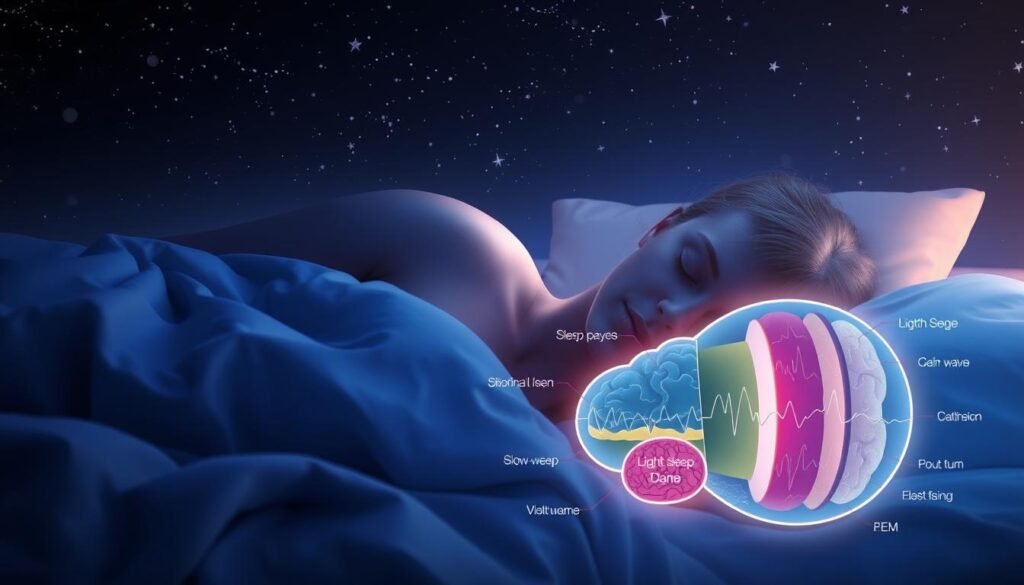
Your body goes through distinct phases of rest, each with unique benefits. These stages, part of the sleep cycle, are essential for your physical and mental health. While deep sleep focuses on repair and recovery, light sleep plays a key role in memory consolidation and transitioning between stages.
Key Differences in Functionality
Deep sleep is the phase where your body works hardest to repair tissues, boost the immune system, and restore energy. This stage is critical for physical recovery and growth. On the other hand, light sleep helps your brain process information and prepare for deeper stages. It’s also essential for memory consolidation, ensuring you retain what you’ve learned during the day.
During deep sleep, brain activity slows down significantly, allowing your body to focus on restoration. In contrast, light sleep involves more active brain patterns, which help you transition smoothly between stages. Both are vital for a complete sleep cycle, ensuring you wake up refreshed and ready for the day.
Here’s a breakdown of the key differences:
| Aspect | Deep Sleep | Light Sleep |
|---|---|---|
| Function | Physical repair, immune support | Memory consolidation, stage transition |
| Brain Activity | Slow, restorative | Active, transitional |
| Duration | 20-40 minutes per cycle | 10-25 minutes per cycle |
| Importance | Essential for physical health | Supports cognitive function |
Understanding these differences can help you appreciate the importance of each sleep stage. Both deep sleep and light sleep are crucial for your overall well-being, ensuring your body and brain function at their best.
The Science Behind Sleep Stages
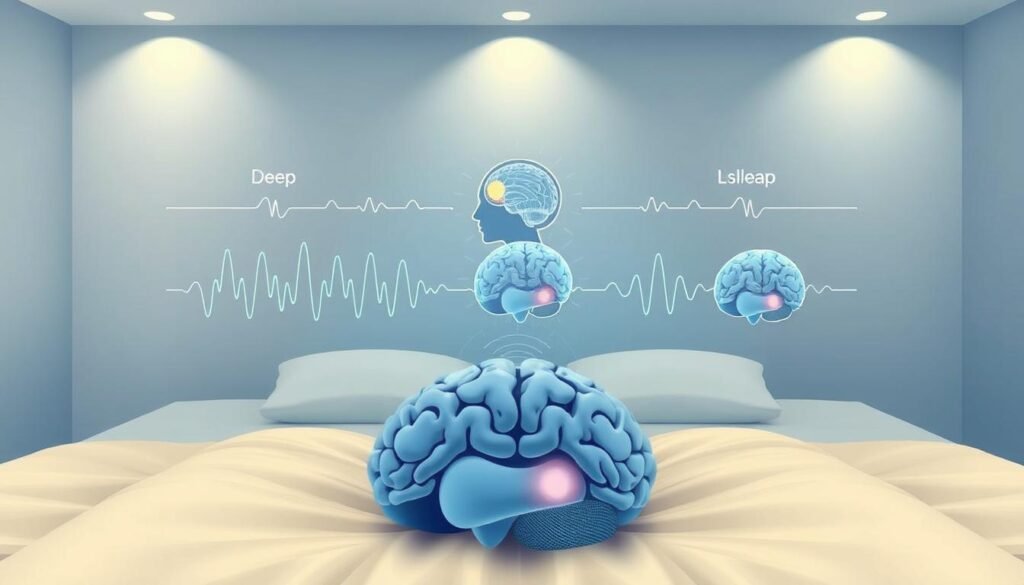
The science of sleep reveals how different stages work together to restore your body and brain. Each sleep cycle includes unique phases that play a critical role in your overall health. These stages are divided into NREM (non-rapid eye movement) and REM (rapid eye movement) sleep, each with distinct characteristics and functions.
NREM vs. REM: What Sets Them Apart
NREM sleep consists of three stages, each deeper than the last. During these stages, your body focuses on physical repair and energy restoration. Brain activity slows, and your heart rate and breathing become more regular. This is when your body works to repair tissues and strengthen your immune system.
In contrast, REM sleep is marked by rapid eye movement and increased brain activity. This stage is essential for emotional regulation and memory consolidation. Your body becomes temporarily paralyzed, allowing your brain to process information and organize memories without physical interruptions.
How Brain and Body Change During Sleep
Throughout the night, your brain and body undergo significant changes. During NREM sleep, delta waves dominate, promoting deep restorative processes. In REM sleep, brain waves resemble those of wakefulness, supporting cognitive functions like learning and creativity.
Here’s a detailed comparison of these stages:
| Aspect | NREM Sleep | REM Sleep |
|---|---|---|
| Brain Waves | Delta waves (slow) | Beta waves (active) |
| Body State | Relaxed, minimal movement | Temporary paralysis |
| Primary Function | Physical repair, immune support | Memory consolidation, emotional processing |
| Duration | 60-75% of sleep time | 20-25% of sleep time |
Understanding these changes helps you appreciate why each sleep stage is vital for your health. Proper transitions through these stages ensure your body and brain function optimally, preparing you for the challenges of the day.
Deep Sleep: Vital Restorative Processes
Your body’s most restorative phase happens during deep sleep, a critical stage for repair and recovery. This stage, often referred to as N3 or slow-wave sleep, is when your body works to heal tissues, strengthen the immune system, and release essential hormones. Without it, your physical and mental health can suffer.
Body Repair and Hormonal Release
During deep sleep, your body focuses on repairing muscles, bones, and other tissues. This is also when growth hormones are released, supporting muscle repair and overall growth. These processes are vital for maintaining your physical health and energy levels.
Your immune system also gets a boost during this stage. Research shows that deep sleep enhances the production of cytokines, proteins that help fight infections and inflammation. This makes it a key player in keeping you healthy and resilient.
“Deep sleep is the body’s natural way of healing and preparing for the challenges of the next day.”
For most adults, deep sleep typically lasts 1.5 to 2 hours each night. This stage is most prominent in the first half of your sleep cycle, ensuring your body gets the restorative benefits early on. Missing out on this critical phase can lead to fatigue, weakened immunity, and slower recovery.
Understanding the importance of deep sleep can help you prioritize habits that support this stage. From maintaining a consistent bedtime to creating a sleep-friendly environment, small changes can make a big difference in your overall health.
Light Sleep: Transitional Benefits and Memory Consolidation

Light sleep acts as a bridge, helping your body and brain transition smoothly between wakefulness and deeper rest. This stage, which occurs during N1 and N2 of the sleep cycle, plays a crucial role in preparing your mind and body for the restorative phases that follow. Without it, your ability to process information and recover from daily activities could be compromised.
One of the key functions of light sleep is memory consolidation. During this stage, your brain processes and organizes information gathered throughout the day. This helps you retain important details and improves your ability to learn new skills. Studies show that disruptions in this stage can lead to difficulties in recalling information and reduced cognitive performance.
“Light sleep is essential for mental clarity and emotional balance, ensuring you wake up ready to tackle the day.”
Supporting Learning and Routine Recovery
In addition to memory, light sleep supports learning by helping your brain make connections between new and existing information. This stage also aids in routine recovery, allowing your body to relax and prepare for deeper restorative processes. A balanced sleep pattern that includes adequate light sleep is vital for maintaining both mental and physical health.
Here’s how light sleep benefits you:
- Helps transition between wakefulness and deeper sleep stages.
- Supports memory consolidation and learning.
- Prepares the brain for more restorative phases of sleep.
- Enhances cognitive function and daily performance.
Disruptions in light sleep can affect your ability to focus and perform daily tasks. Ensuring you get enough of this stage is just as important as achieving deep sleep for overall well-being. By prioritizing a consistent bedtime and creating a sleep-friendly environment, you can optimize your sleep quality and reap the benefits of each stage.
Factors That Impact Your Sleep Quality

Your daily habits and surroundings play a significant role in how well you rest at night. From the food you eat to the environment you sleep in, many factors can influence your sleep quality. Understanding these influences can help you make changes that lead to better rest and improved health.
Lifestyle and Environmental Influences
Your lifestyle choices can either support or disrupt your sleep cycle. For example, consuming caffeine late in the day can make it harder to fall asleep. Similarly, spending too much time on screens before bed exposes you to blue light, which can interfere with your body’s natural rhythms.
Stress is another major factor. When you’re anxious or overwhelmed, your mind may struggle to relax, making it difficult to transition into deeper sleep stages. Practicing relaxation techniques, like deep breathing or meditation, can help calm your mind and prepare you for rest.
“Your environment plays a crucial role in how well you sleep. A quiet, dark, and cool room can make a big difference in your sleep quality.”
External factors, such as noise and light, can also disrupt your rest. Even small changes, like using blackout curtains or a white noise machine, can create a more sleep-friendly environment. Additionally, maintaining a consistent bedtime helps regulate your body’s internal clock, improving your overall sleep pattern.
Sleep disorders, like sleep apnea or insomnia, can further complicate your ability to get quality rest. If you suspect you have a sleep disorder, it’s important to consult a healthcare professional for guidance. Addressing these issues can lead to significant improvements in your sleep quality and daily functioning.
By paying attention to these factors, you can take steps to optimize your rest and wake up feeling refreshed. Small adjustments to your lifestyle and environment can have a big impact on your overall health and well-being.
Strategies for Enhancing Deep and Light Sleep

Improving your rest starts with understanding how to enhance both deep sleep and light sleep stages. These phases are essential for physical recovery and mental clarity. By adopting practical habits, you can optimize your sleep quality and wake up feeling refreshed.
Establishing a Consistent Bedtime Routine
One of the most effective ways to improve your sleep stages is by maintaining a regular bedtime. Going to bed and waking up at the same time every day helps regulate your body’s internal clock. This consistency makes it easier to transition into both light sleep and deep sleep.
Reducing screen time before bed is another key step. The blue light from devices can interfere with your body’s natural rhythms. Instead, try reading a book or practicing relaxation techniques to prepare your mind for rest.
Relaxation Techniques and Sleep-Friendly Habits
Creating a sleep-friendly environment can significantly enhance your sleep quality. Keep your room cool, dark, and quiet to promote uninterrupted rest. Using blackout curtains or a white noise machine can help block out distractions.
Relaxation techniques like meditation or deep breathing can also ease you into sleep. A warm bath before bed can lower your body temperature, signaling to your brain that it’s time to rest. These small changes can make a big difference in your overall sleep pattern.
“Consistency is key. A regular bedtime routine helps your body know when it’s time to wind down and prepare for rest.”
Here are some actionable tips to improve your sleep stages:
- Go to bed and wake up at the same time every day.
- Limit screen exposure at least an hour before bed.
- Create a cool, dark, and quiet sleep environment.
- Practice relaxation techniques like meditation or deep breathing.
- Consider a warm bath to help your body relax.
Gradual behavior changes can optimize your sleep quality and enhance your alertness during the day. For more detailed strategies, check out this guide on how to get more deep sleep.
How Sleep Influences Your Health and Daily Performance

Your daily performance and overall health are deeply connected to the quality of your rest. When you don’t get enough sleep, your body and mind suffer in ways that can affect your long-term well-being. Chronic sleep deprivation can lead to serious health issues, including heart disease, obesity, and weakened immunity.
Effects of Sleep Deprivation on the Body
Lack of sleep doesn’t just make you feel tired—it can harm your body in multiple ways. For example, studies show that sleeping less than six hours a night increases your risk of catching a cold. This is because your immune system becomes less effective when you’re sleep-deprived.
Your heart rate and blood pressure can also be affected. The American Heart Association notes that poor sleep patterns are linked to hypertension and a higher risk of heart attack or stroke. Over time, these issues can lead to chronic cardiovascular diseases.
“Sleep deprivation doesn’t just affect your energy levels—it impacts your entire body, from your heart to your immune system.”
Sleep also plays a crucial role in maintaining a healthy weight. Research from the Sleep Foundation indicates that adults who don’t get enough sleep are 55% more likely to become obese. This is because sleep helps regulate hormones like ghrelin and leptin, which control hunger and satiety.
Here’s a breakdown of how sleep deprivation affects your body:
| Aspect | With Adequate Sleep | With Sleep Deprivation |
|---|---|---|
| Immune System | Strong, fights infections effectively | Weakened, higher risk of illness |
| Heart Rate | Stable, healthy blood pressure | Increased risk of hypertension |
| Weight Management | Balanced hormones, healthy weight | Higher risk of obesity |
| Mood and Focus | Stable, improved cognitive function | Irritability, poor concentration |
Sleep is essential for your body’s repair processes. During rest, your tissues heal, and your brain processes information from the day. Without enough sleep, these functions are disrupted, leading to long-term health problems.
By prioritizing your sleep quality, you can protect your physical and mental health. Small changes, like maintaining a consistent bedtime and creating a sleep-friendly environment, can make a big difference in your overall well-being.
Conclusion
Balancing your rest stages is key to unlocking better health and daily performance. Both deep sleep and light sleep play unique roles in your well-being. While deep sleep focuses on physical repair, light sleep supports memory and mental clarity. Understanding these differences helps you appreciate the importance of each stage in your cycle.
To improve your rest, adopt habits like maintaining a consistent bedtime and creating a sleep-friendly environment. If issues persist, consider seeking professional advice. Small changes can lead to significant improvements in your overall quality of life.
For more insights on optimizing your rest, explore this detailed guide on light sleep vs. deep sleep. Prioritizing your rest is a powerful way to enhance your daily performance and long-term health.
FAQ
What are sleep cycles and why are they important?
Sleep cycles are the stages your body goes through during rest, including NREM and REM phases. They are crucial for daily recovery, helping your brain and body repair and recharge for optimal function.
How does deep sleep differ from light sleep?
Deep sleep focuses on physical repair and hormonal release, while light sleep aids in memory consolidation and transitioning between stages. Both are essential for overall health and well-being.
What happens during NREM and REM stages?
NREM (non-rapid eye movement) is when your body repairs tissues and strengthens the immune system. REM (rapid eye movement) is when your brain processes emotions and memories, often accompanied by vivid dreams.
How does sleep impact your health and daily performance?
Quality rest boosts your immune system, enhances memory, and improves focus. Lack of sleep can lead to fatigue, weakened immunity, and reduced cognitive function.
What factors affect sleep quality?
Lifestyle habits, stress, environment, and bedtime routines all play a role. Creating a sleep-friendly space and sticking to a consistent schedule can improve your rest.
How can you enhance deep and light sleep?
Establishing a regular bedtime routine, practicing relaxation techniques, and avoiding screens before bed can help improve both stages of rest.
What are the effects of sleep deprivation on the body?
Sleep deprivation can weaken your immune system, impair memory, and increase the risk of chronic conditions like heart disease and diabetes. Prioritizing rest is key to maintaining health.
Source Links
- 5 Reasons You Can’t Fall Asleep Even Though You’re Tired
- 50 Easy Ways to Sleep Better
- Sleep
- The individual determinants of morning dream recall – Communications Psychology
- How Much Deep, Light, and REM Sleep Do You Need?
- Stages of Sleep: What Happens in a Sleep Cycle
- Sleep Stages: Benefits of Deep Sleep Vs. Light Sleep | Polar Blog
- Importance of Sleep – Practical Tips for Quality Rest – FIT4IT
- The Science of Sleep: How Circadian Rhythms Influence Sleep Apnea
- Getting a good night’s sleep might stop you from getting another cold — here’s how
- 5 Ways Poor Sleep Messes With Your Metabolism & How To Fix It
- How to Sleep With a Migraine Attack: Effective Strategies for Getting the Rest You Need
- Sleep and the athlete: narrative review and 2021 expert consensus recommendations
- Sleep News, Articles and Research
- Twenty Four‐Hour Movement Behaviours Research Among Australian Children and Adolescents: A Scoping Review
- Trouble Sleeping? Sleepmaxxing May Be Your Solution for Quality Rest
- The Impact of Circadian Rhythm on Sleep Quality: How to Optimize Your Sleep Cycle
- Did You Know Sun Exposure Helps You Sleep Better? Here’s How It Worked for Me
- Why It’s So Hard to Repay Your "Sleep Debt"
- How Important Sleep Is for Your Health: Benefits, Science, and Tips for Better Rest
- Sleep disruption linked to inflammatory immune changes and health risks
- Drowsy Sleep Guide
- Sleep Disturbance and Perimenopause: A Narrative Review
- The impact of sleep on health. Improve your sleep and support your health with silk products.