Updated November 1, 2026
Quick answer: A cooling pillow can change surface comfort, airflow, or moisture handling, but it cannot fix an overheated room or heavy bedding. Choose by mechanism, loft, and washability, then compare several normal nights during the return window.
Original product and context images
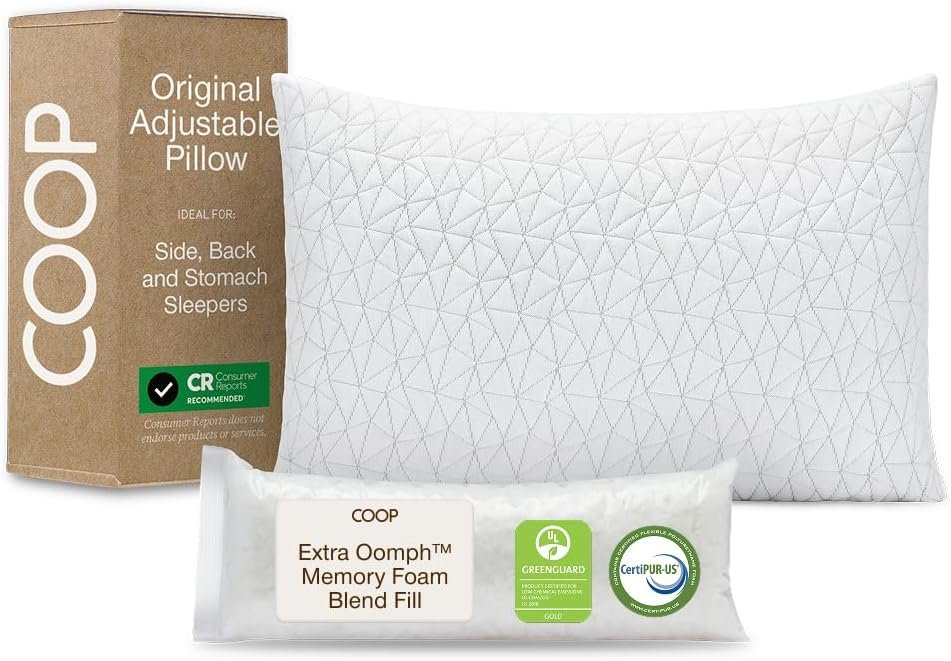
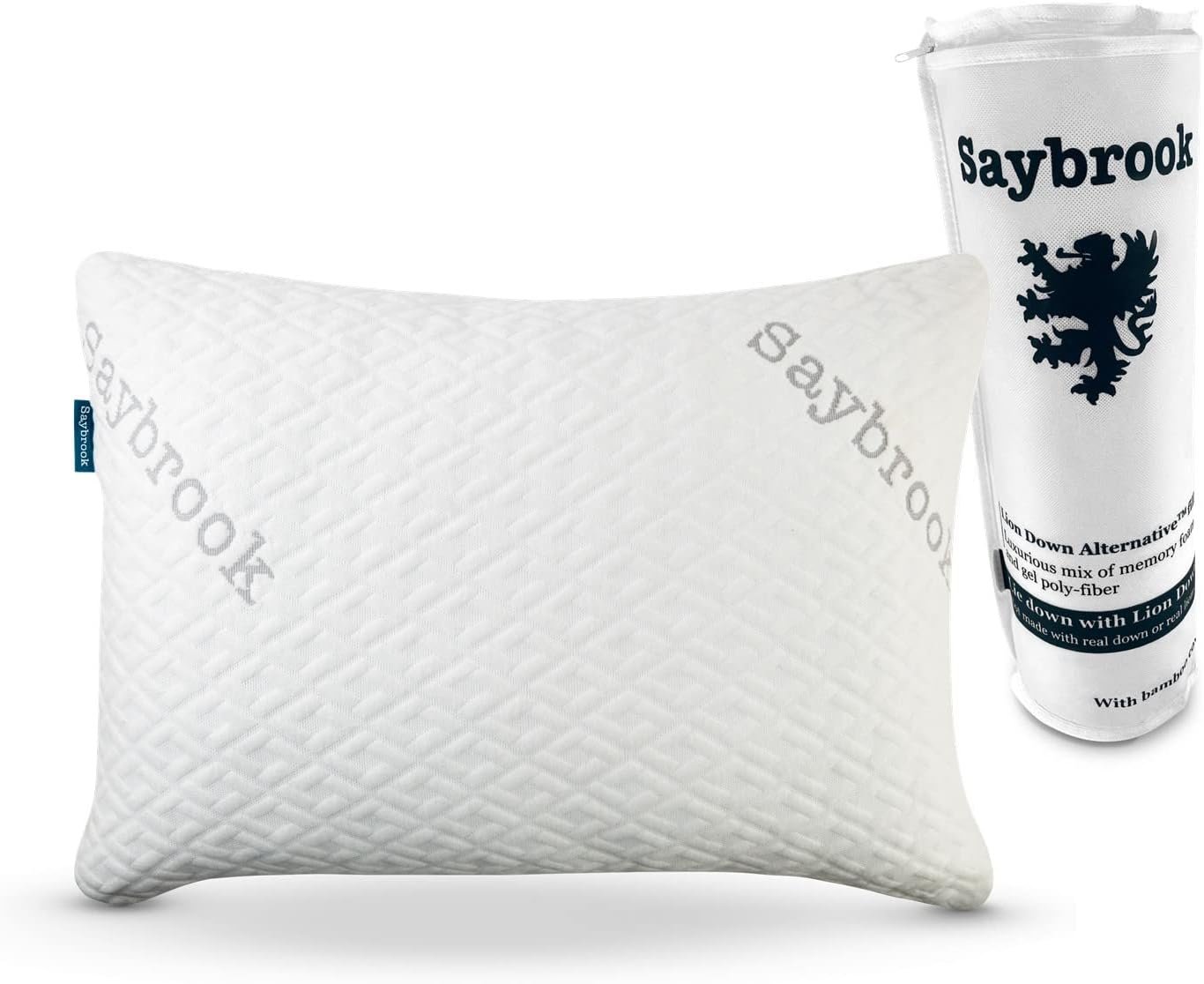
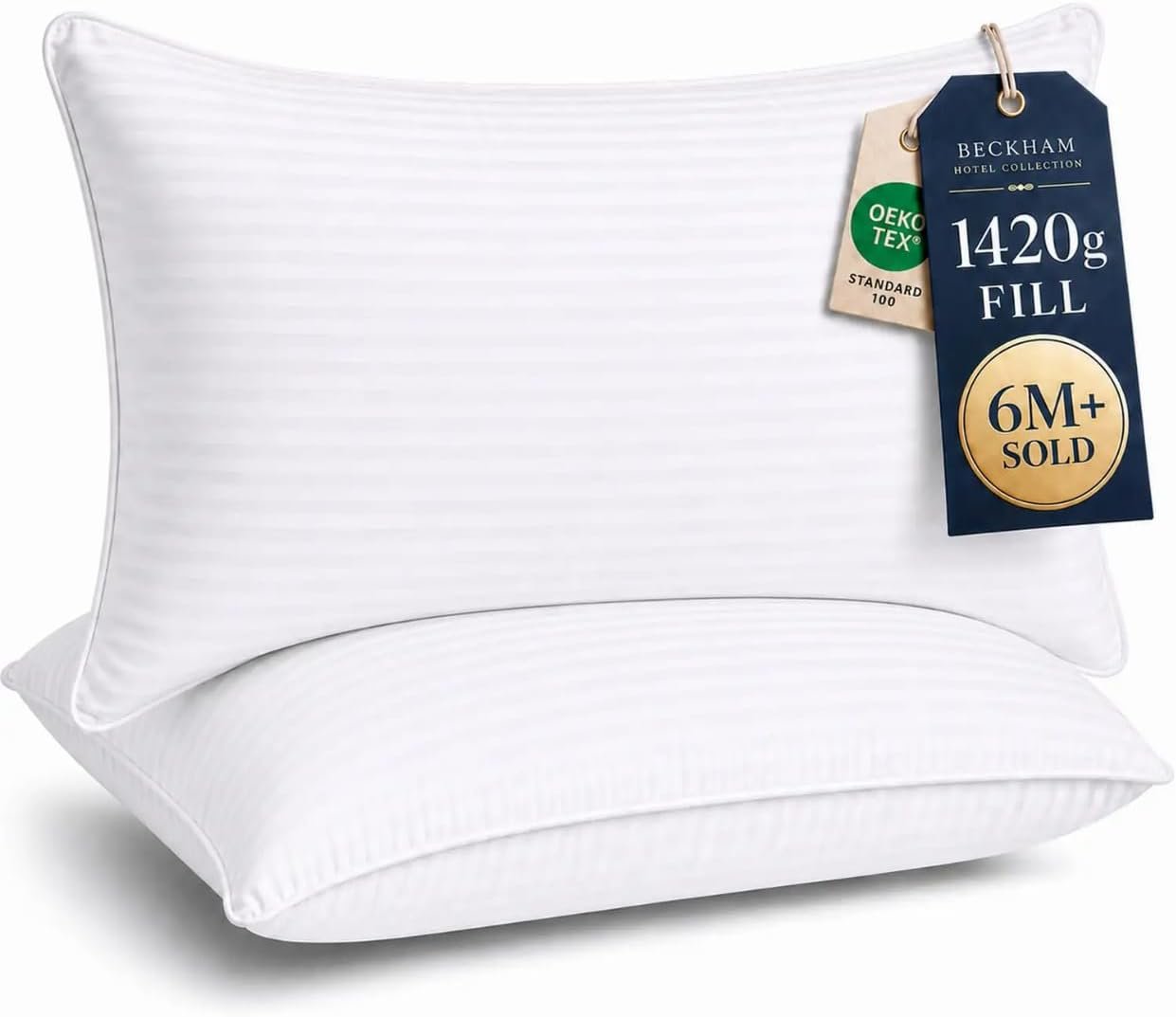
Existing first-party site images are retained for construction context and product identification. Packaging and specifications may change.
What does “cooling pillow” actually mean?
“Cooling” may describe a cool-touch textile, a conductive gel or phase-change layer, ventilated foam, loose fill, or a moisture-wicking cover. These mechanisms solve different comfort problems.
Do cooling pillows improve sleep?
Current evidence does not establish a universal benefit. A 2025 systematic review found nine eligible randomized trials of cooling bedding. Evidence certainty ranged from very low to low, with no overall differences in sleep onset, efficiency, stages, wake time, or total sleep time.
The review did find acute body-cooling signals in the qualitative evidence, so comfort may change even when standard sleep outcomes do not.
Which cooling mechanism should you choose?
Choose airflow when heat seems trapped around the head. Choose moisture management when sweat and damp fabric are the main issue. Conductive surfaces can feel cool initially, but the sensation may diminish as temperatures equalize.
Any mechanism must still provide the right compressed height and pressure comfort.
What should you change before buying a cooling pillow?
Check room temperature, humidity, airflow, mattress, protector, sheets, sleepwear, and blankets. A 2024 thermal-manikin study found that combining passive strategies with air movement produced more cooling than fans alone, though manikin results do not directly predict an individual night of sleep.
Source: Zhang et al., 2024 passive and low-energy thermal comfort study.
How strong is the evidence during very hot nights?
A 2025 crossover study of 15 healthy young adults found that 32°C heat reduced total sleep time and efficiency. A high-conductivity mattress topper improved several outcomes in that laboratory condition.
That small mattress study supports thermal-system testing, not a claim that every cooling pillow will reproduce the same result.
Which pillow should a hot sleeper test first?
Use your most noticeable problem to select a mechanism. Keep room and bedding conditions stable while comparing the pillow.
What do you notice most?
Frequently asked questions
Is gel always cooler than foam?
No. Gel format, cover, foam density, room conditions, and contact time all affect the result.
Does shredded foam sleep cooler?
Cut fill can create air spaces, but fill quantity and cover permeability still matter.
Can a waterproof protector make a pillow warmer?
It can change vapor movement and feel. Compare the complete pillow-cover system.
When are night sweats a medical concern?
Seek medical advice for persistent unexplained sweating or sweating with fever, weight loss, pain, breathing trouble, or other new symptoms.