Updated November 4, 2026
Quick answer: Measure compressed loft in your normal sleep position. Side sleepers usually start higher, back sleepers in the middle, and stomach sleepers lower, but shoulder width and mattress sink can change the result.
Original site images used in this guide

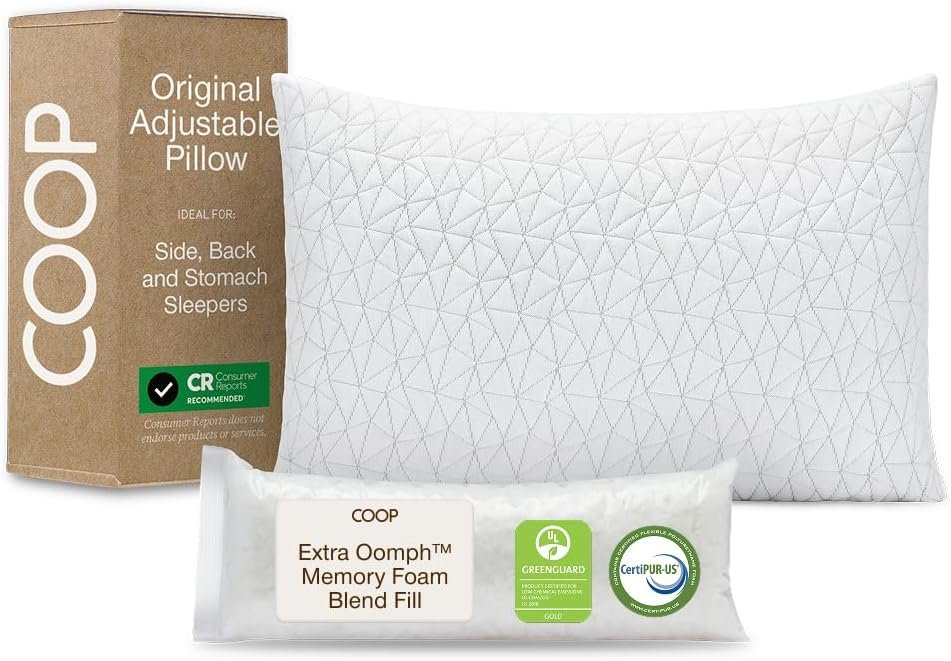
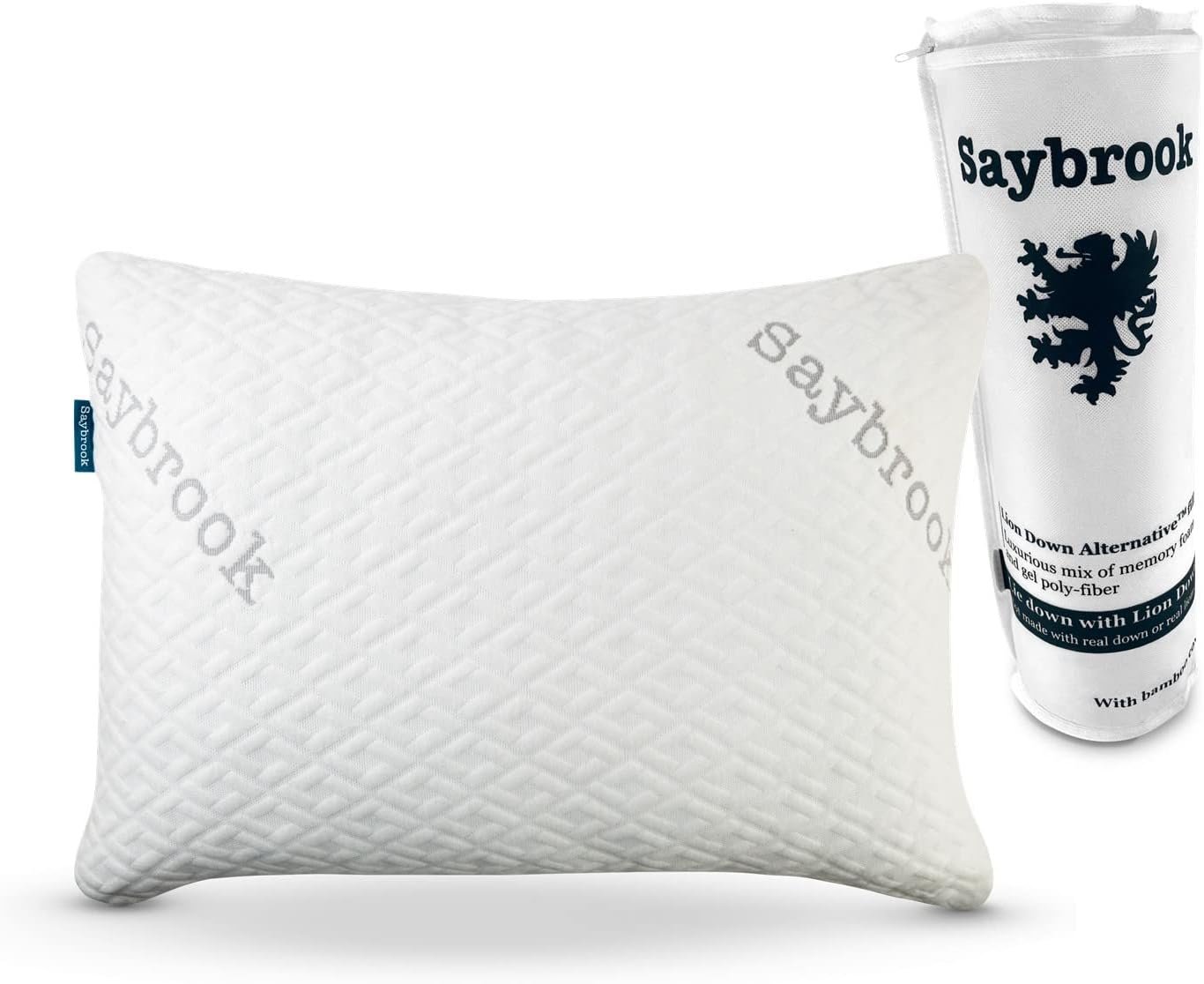
Existing site images are retained for product identification and construction examples. Retailer packaging and included items may change.
What does pillow loft mean?
Pillow loft is height, but the useful measurement is the height left under your head. A tall soft pillow may compress below a shorter firm pillow, so package dimensions alone cannot predict fit.
The most useful measurement is taken while you lie in your normal position. Keep your usual mattress, pillowcase, and protector because each layer changes compression.
How do you measure compressed pillow loft?
Use a side photo or a helper instead of forcing a ruler under your head. The 2025 Tian study tested 8, 10, 12, and 14 cm pillows in only nine side sleepers, so use research as a method clue rather than a universal chart.
- Lie in your normal position for five minutes.
- Ask a helper to photograph head, neck, and upper back at mattress level.
- Check for obvious sideways tilt or a chin pushed toward the chest.
- Record the fill setting or compressed edge height.
Unique insight: A repeatable photo and fill record is more useful than chasing a single ideal number.
What loft should each sleep position start with?
Sleep position changes the gap a pillow must fill. Side sleeping leaves the shoulder between head and mattress, back sleeping needs a lower neck-to-bed gap, and stomach sleeping combines head rotation with lift.
Choose your main sleep position
Use the Pillow Height Calculator for a starting estimate, not a medical prescription.
How does mattress firmness change loft?
A soft mattress lets the shoulder and torso sink farther, which often reduces the pillow gap. A firm mattress leaves more of the shoulder above the surface, so the same sleeper may need more loft.
Recheck pillow height after changing mattresses or adding a thick topper. The pillow may not have changed, but the shoulder-to-head geometry has.
Does shoulder width determine pillow height?
Shoulder width matters most for side sleepers, yet it is only one input. Body weight, mattress sink, head shape, protector thickness, and fill compression all alter the final position.
Measure the gap while lying down rather than measuring standing shoulder width and treating it as pillow height. The mattress absorbs part of the shoulder gap.
How should you test a loft adjustment?
Change one small amount, then keep that setting for several normal nights unless symptoms worsen. Frequent same-night changes make it difficult to learn which adjustment helped.
Record
- Position used
- Fill removed or added
- Morning comfort
- Any numbness or pressure
Change next
- Too high: remove a small amount
- Too low: add fill or choose more support
- Uneven: redistribute before adding more
Which pillow-loft mistakes are common?
The most common mistakes are measuring an empty pillow, stacking two unstable pillows, copying another person’s number, and ignoring mattress firmness. Loft labels such as low, medium, and high are not standardized across brands.
What if a pillow feels comfortable but looks slightly imperfect? Comfort matters. Use alignment checks to catch obvious mismatch, not to chase a perfectly straight photograph.
Frequently asked questions
Is four inches a high-loft pillow?
It can be, but compressed height matters more than the empty measurement. Fill firmness and mattress sink change the effective loft.
Should side sleepers always use high loft?
No. Smaller shoulders or a soft mattress may reduce the needed height. Confirm with your normal position.
Can an adjustable pillow be too high?
Yes. Adjustable means tunable, not automatically correct. Remove fill if your head tilts or your chin moves down.
When should pain be medically assessed?
Seek care for persistent or severe pain, weakness, numbness, injury, fever, or a sudden severe headache.