Updated November 4, 2026
Quick answer: Firmness is resistance to sink, not the same as pillow height. Use sleep position to choose the alignment check, then confirm compressed height and pressure comfort on your own mattress.
Original product and context images
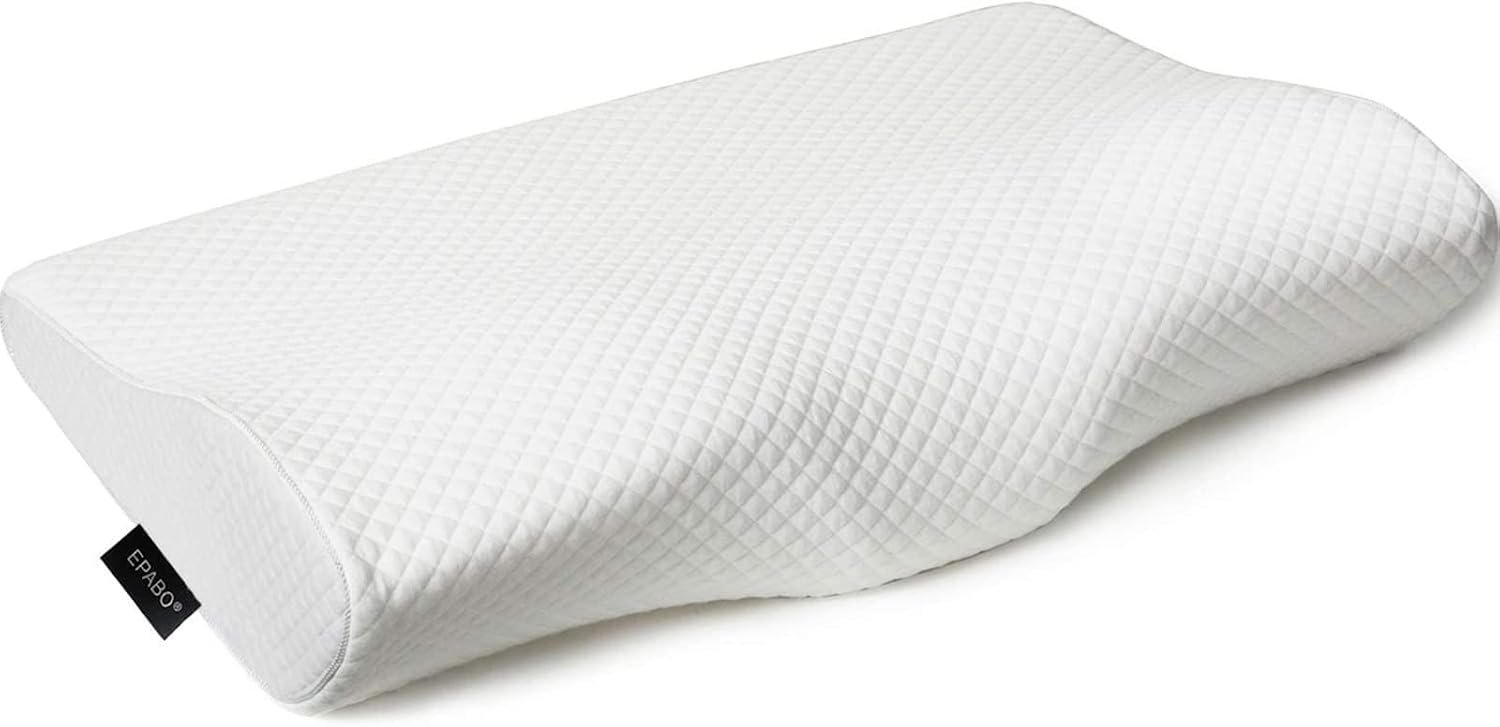

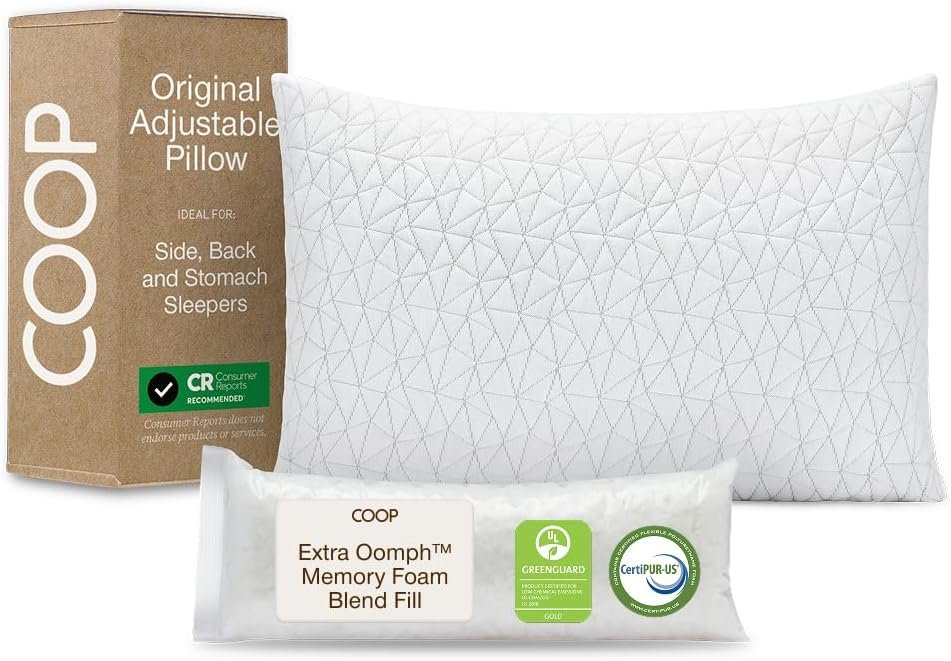
Existing first-party site images are retained for construction context and product identification. Packaging and specifications may change.
What does pillow firmness mean?
Firmness describes how strongly a pillow resists your head and neck. Loft describes its height. Two pillows can start equally tall but settle to different compressed heights.
What firmness should a side sleeper test?
Side sleepers generally need enough resistance to keep the head from dropping into the shoulder gap, but an overly firm surface can increase ear or jaw pressure.
A 2025 study tested only nine healthy side sleepers across four heights. Its results support individualized fit, not one universal firmness or centimeter target.
Source: Tian et al., 2025 individualized side-sleeper study.
What firmness should a back sleeper test?
Back sleepers often need moderate resistance that supports the neck without lifting the head enough to push the chin toward the chest. Contour shape can matter as much as firmness.
Check chin position, neck pressure and whether the head rolls easily. Reduce height or resistance when the pillow feels like a ramp.
What firmness should a stomach sleeper test?
Stomach sleeping already rotates the neck. A thinner, more compressible pillow may reduce extra extension, but some people are more comfortable with little or no head pillow.
Do not force a very soft pillow into extra height by folding it. That creates an unstable surface and can change during the night.
How should firmness be tested in bed?
Settle for several minutes on your normal mattress and protector. Check head tilt, chin position, ear pressure and whether the pillow rebounds when you change position.
A 2025 systematic review of pillows for chronic neck pain reported high study heterogeneity, limiting firm conclusions about one design.
Which firmness should you test first?
Choose the closest fit problem, then verify compressed height during the return window.
What happens after you settle?
How do you separate firmness from loft?
Firmness describes resistance to compression; loft describes height. The two are related, but they are not interchangeable. A tall pillow with loose fill can collapse lower than a shorter solid-foam pillow, while a firm pillow can feel supportive yet hold the head too high.
Change firmness when
The pillow reaches an acceptable height but feels unstable, bottoms out, or pushes back too strongly. Compare a different fill density or construction while keeping the measured height close.
Change loft when
The entire head position is visibly high or low. Adjust removable fill in small amounts, then repeat the same side-on alignment check on the same mattress.
Controlled test: change only one variable at a time. Keep the pillowcase, protector, mattress and sleep position unchanged for the comparison. Record the setting and morning result instead of relying on first-touch softness in a shop.
If pain, numbness, weakness, severe headache or symptoms after an injury persist, stop experimenting and seek qualified medical care.
Frequently asked questions
Is firm always more supportive?
No. Support depends on compressed height, shape and where resistance is applied.
Can a soft pillow work for side sleeping?
Yes, if enough fill remains under load and the head stays level.
Does body weight affect firmness?
Head size, shoulder build, mattress sink and fill response can all change perceived firmness.
How long should I test a setting?
Use several normal nights unless symptoms worsen, changing one variable at a time.