Updated November 4, 2026
Quick answer: Set pillow height on your own mattress, then check head tilt from behind and chin position from the side. Adjust one variable at a time and keep the setting for several normal nights unless symptoms worsen.
Original product images


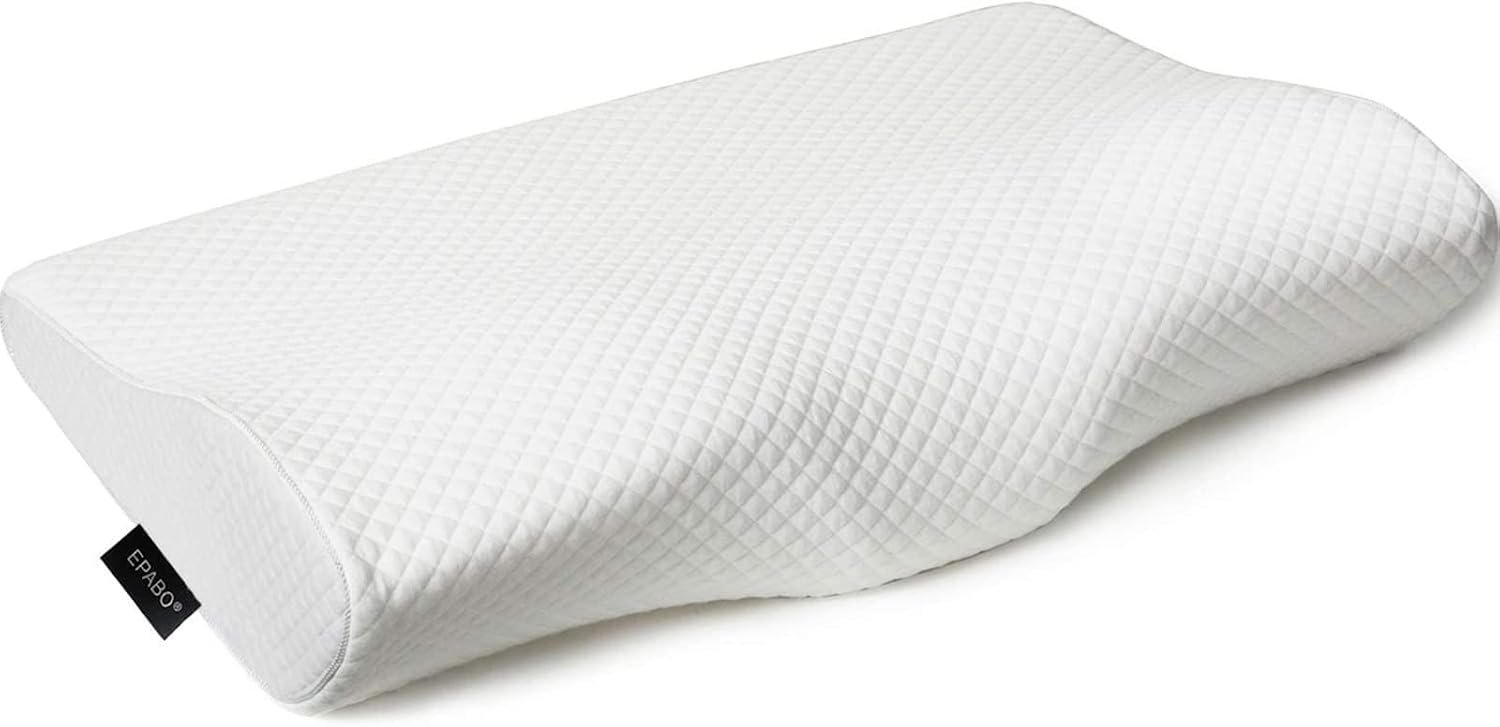
Existing site images are retained for construction examples and product identification. Packaging may change.
What should a side sleeper check first?
Start with mattress firmness, shoulder sink, and compressed pillow height. The 2025 Tian study tested only nine side sleepers, so use alignment principles rather than copying one centimeter value.
How do you check head tilt?
Ask a helper to take a photo from behind at mattress level after you settle. Look for obvious tilt toward or away from the mattress.
A photo is not a medical test. It helps you compare two setups under the same conditions.
How do you check chin position?
From the side, your chin should not be forced toward your chest. A pillow that is too high can flex the neck even when the rear view looks level.
Also check jaw and ear pressure. A technically level setup is not useful when the surface creates persistent pressure.
How should adjustable and contour pillows be configured?
Adjustable fill should change in small handfuls. A contour pillow should be tested on both its high and low edges before judging the shape.
Which construction are you using?
Where should the shoulder and lower arm go?
Keep the shoulder on the mattress rather than forcing it onto the pillow. Place the lower arm where it is not trapped under your torso or pulled sharply overhead.
A knee pillow may improve comfort for some people, but it is optional and does not treat hip or back conditions.
What should you record for three nights?
Record fill setting, sleep position, morning comfort, ear pressure, and any numbness. Change only one variable after a consistent pattern appears.
Keep
- Same mattress
- Same pillowcase
- Same main position
Change one
- Fill amount
- Contour edge
- Arm position
How do you troubleshoot a side-sleeper setup?
Work from the mattress upward. First confirm that the shoulder can settle into the mattress without being forced onto the pillow. Next check the pillow height under normal load. Finally, check whether the fill moves away from the neck during the night.
If the head tilts upward
Remove a small amount of fill or try a lower profile. Do not solve excess height by moving the shoulder onto the pillow, because that changes the torso position and makes the comparison unreliable.
If the head drops downward
Add a small amount of fill, redistribute loose material toward the neck, or test a construction that resists compression better. Recheck after several minutes, not immediately after fluffing.
Three-night record: note the fill setting, dominant side, ear or shoulder pressure, morning stiffness and whether you repeatedly folded an arm under the pillow. That last habit often signals that the setup feels too low, but it is a clue rather than a diagnosis.
Reassess after changing the mattress or adding a topper, since shoulder sink changes the gap the pillow must fill.
Frequently asked questions
Do side sleepers need a high pillow?
Often, but mattress sink and shoulder width change the gap. Confirm compressed height in bed.
Should my shoulder be on the pillow?
Usually the head and neck use the pillow while the shoulder stays on the mattress.
Can I stack two pillows?
Stacking can create an unstable slope. One adjustable or correctly sized pillow is easier to control.
When should I stop adjusting?
Stop and seek advice when pain, numbness, weakness, or headaches worsen.