Updated November 1, 2026
Quick answer: Ventilate new foam in a dry space and follow the manufacturer label. Odor intensity cannot identify specific VOCs or prove safety, so use symptoms, persistence, and return terms instead of a universal waiting time.
Original product images
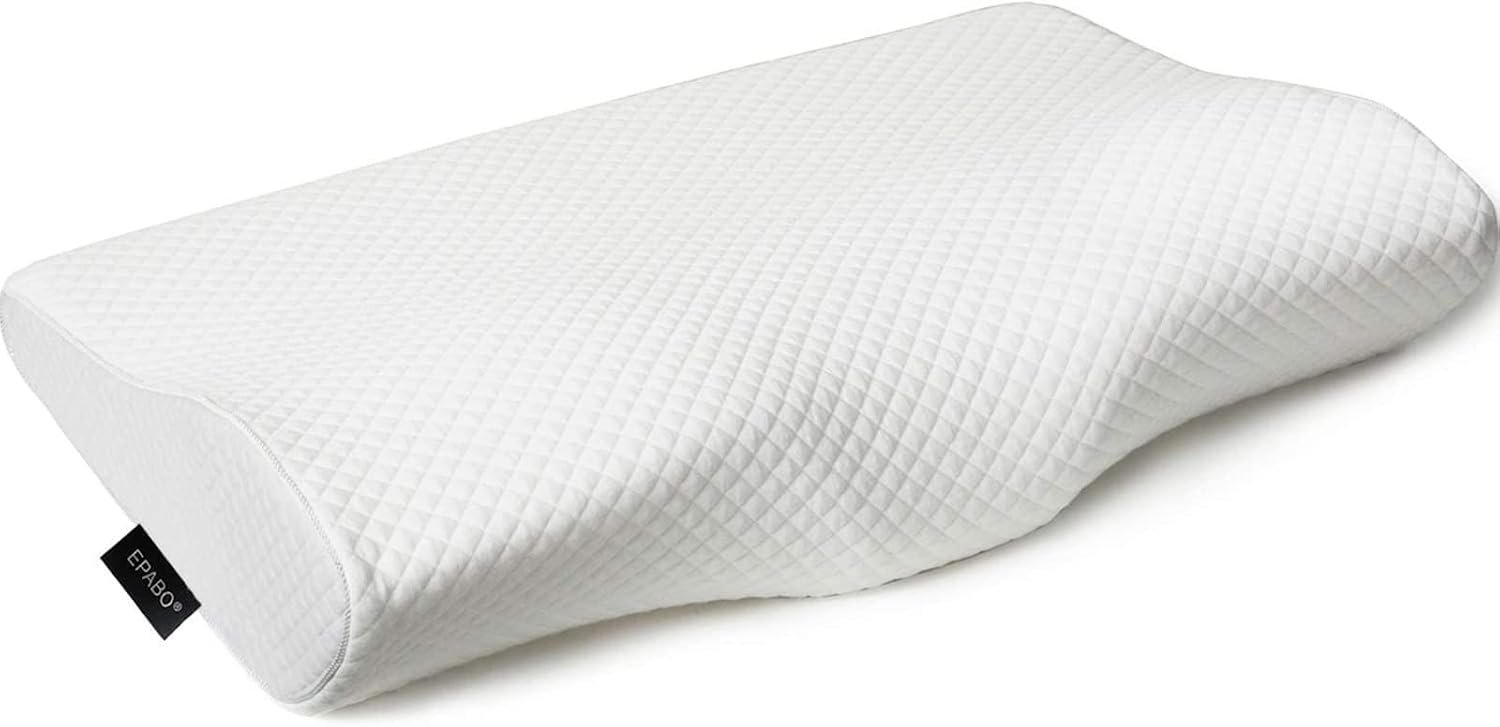
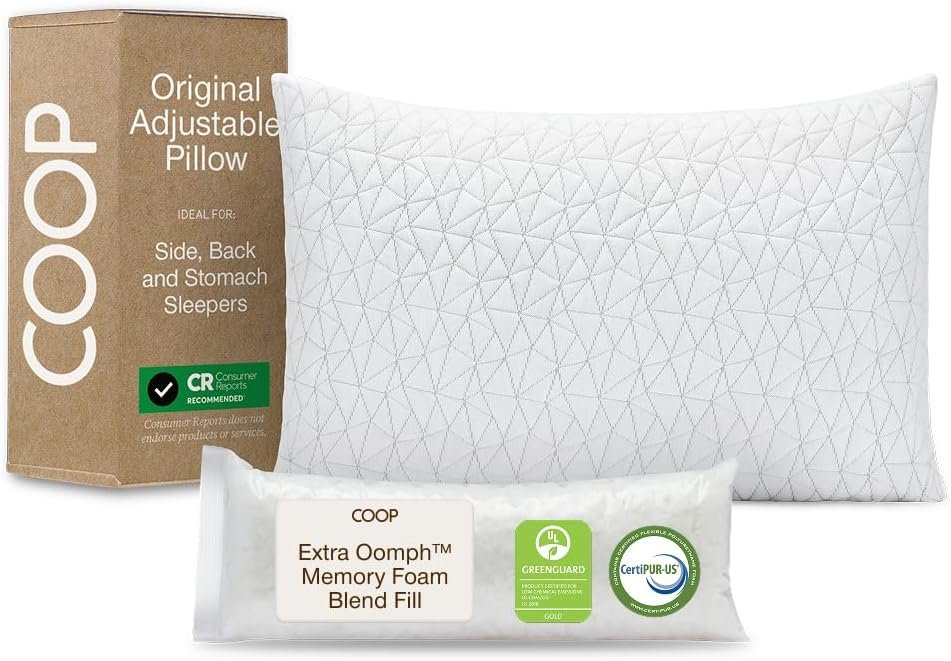
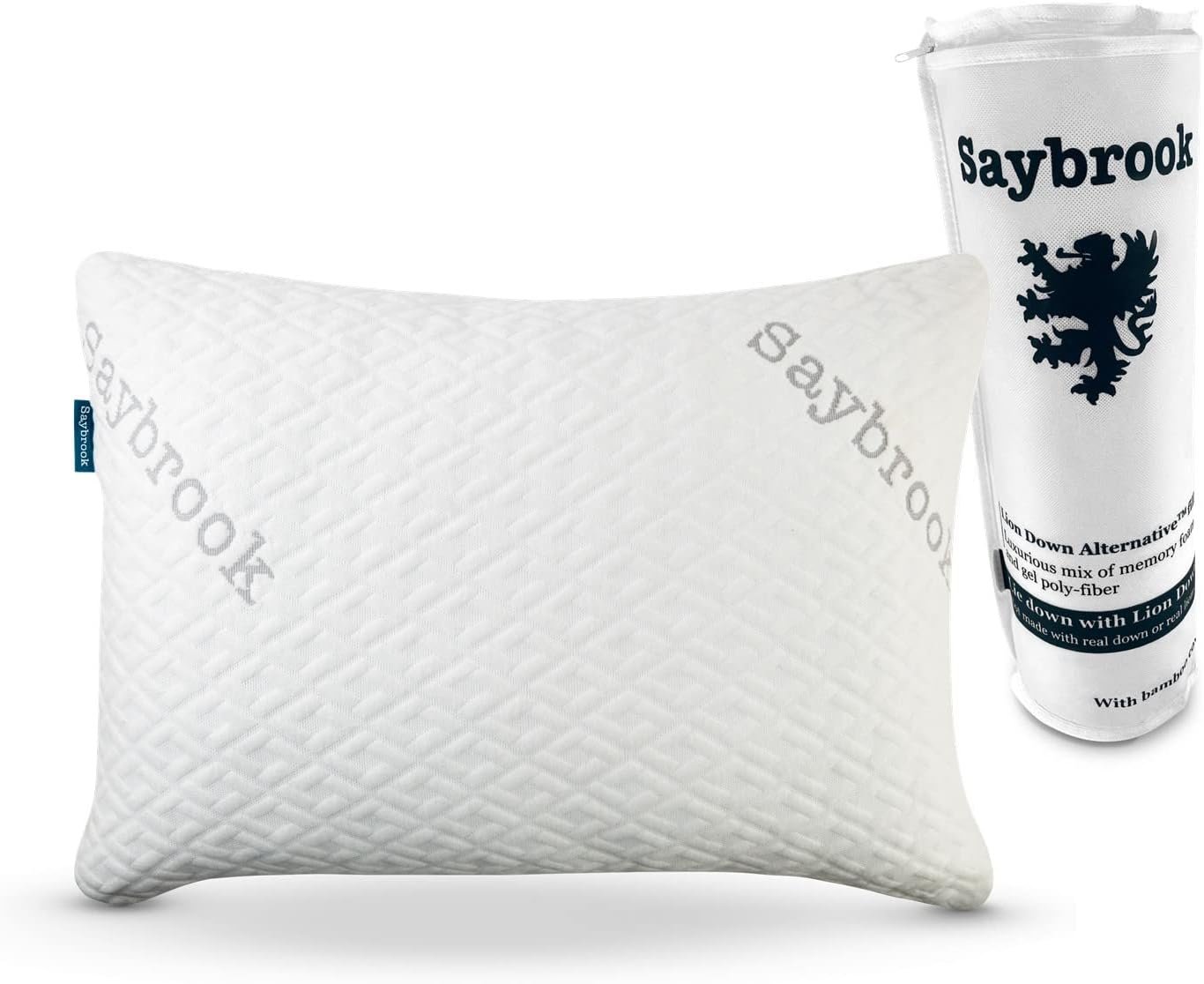
Existing site images are retained for construction examples and product identification. Packaging may change.
What does off-gassing mean?
Off-gassing is the release of volatile compounds from materials. A new-product smell may be noticeable, but smell alone cannot identify which compounds are present or the exposure level.
Health Canada notes that some VOCs can be present even when you cannot smell them. The EPA recommends ventilation and following label precautions.
Does cut fill smell more than solid foam?
Cut fill exposes more surface area than one solid block, so odor may disperse differently. That geometry does not tell you which compounds are present or whether one product is safer.
What do foam certifications mean?
CertiPUR-US addresses specified foam content, emissions, and durability tests. GREENGUARD Gold focuses on chemical-emission limits for indoor products. Neither label guarantees zero odor or suitability for every sensitive person.
Verify the certification for the exact product or foam, not only a brand logo on a seller page.
How should you ventilate a new foam pillow?
Unpack it in a dry room with outdoor-air exchange, keep it away from children and pets, and follow expansion instructions. Do not heat the foam or mask odor with perfume.
When should you return the pillow?
Return or contact the seller when odor remains strong after reasonable ventilation, the product appears contaminated, or irritation returns whenever you approach it. The return window matters more than an arbitrary airing deadline.
What are you observing?
Which symptoms need medical attention?
Eye, nose, or throat irritation, headache, nausea, dizziness, and breathing symptoms can have many causes. Stop exposure and move to fresh air when symptoms occur.
Frequently asked questions
Is memory foam odor toxic?
Odor alone cannot identify toxicity. Exposure depends on the compounds, concentration, time, and individual sensitivity.
How long should a pillow air out?
No universal time fits every product. Follow the label, ventilate, and reassess odor and symptoms before the return window ends.
Can I wash the smell out?
Do not wash a foam core unless allowed. Water can damage foam and create a drying problem.
Does CertiPUR-US mean no smell?
No. Certification addresses specified test criteria; it does not promise zero odor.