
Did you know that 96% of people who practice a specific relaxation technique fall asleep in just two minutes? This method, originally developed for high-stress environments, has become a game-changer for those struggling to rest. It’s not just about closing your eyes—it’s about training your body and mind to relax efficiently.
Created by Bud Winter during his time at the United States Navy Pre-Flight School, this approach combines deep breathing and progressive muscle relaxation. It’s designed to help you fall asleep quickly, even in less-than-ideal conditions. Experts like Dr. Brian Koo have praised its effectiveness, noting how it promotes deep, restorative rest.
Whether you’re dealing with stress or simply want to improve your energy levels, this method offers a reliable solution. Ready to learn how it works? Let’s dive into the step-by-step guide to mastering this technique.
Key Takeaways
- This technique helps you fall asleep in just two minutes.
- It was developed by Bud Winter for high-stress environments.
- Deep breathing and muscle relaxation are core components.
- Experts confirm its effectiveness for better rest.
- It’s a proven way to boost energy and reduce stress.
What is the Military Sleep Hack?
Ever wondered how to fall asleep faster, even in stressful situations? This technique, originally developed for high-pressure environments, has become a go-to solution for many. It combines deep breathing and progressive muscle relaxation to help you unwind quickly and efficiently.
History and Origins from Military Practice
This method was first introduced by Bud Winter during his time at the United States Navy Pre-Flight School. Pilots and soldiers used it to cope with irregular sleep schedules and high-stress conditions. Its success in these environments led to its adoption by civilians seeking better rest.
According to Relax and Win: Championship Performance, the technique was designed to maximize energy and alertness in limited time. It’s a testament to its effectiveness that it’s still widely used today.
Understanding the Core Technique
The core of this practice lies in systematic relaxation. You start by focusing on your body, releasing tension from each muscle group. This is paired with deep breathing to calm your mind.
Here’s how it works:
- Lie down in a comfortable position, preferably in your bed.
- Take slow, deep breaths to initiate relaxation.
- Progressively tense and release each muscle group, starting from your toes to your head.
- Visualize a calming scene to clear your mind of distractions.
This technique not only reduces tension but also trains your body to relax on command. With regular practice, you’ll find it easier to fall asleep, even in less-than-ideal conditions.
| Aspect | Military Use | Everyday Use |
|---|---|---|
| Environment | High-stress, chaotic | Home, work, travel |
| Purpose | Maximize alertness | Improve rest and energy |
| Adaptability | Designed for extreme conditions | Fits into daily routines |
Whether you’re dealing with stress or simply want to improve your energy levels, this method offers a reliable solution. For more insights, check out this sleep tension calculator to optimize your practice.
How to Perform the Technique Step by Step
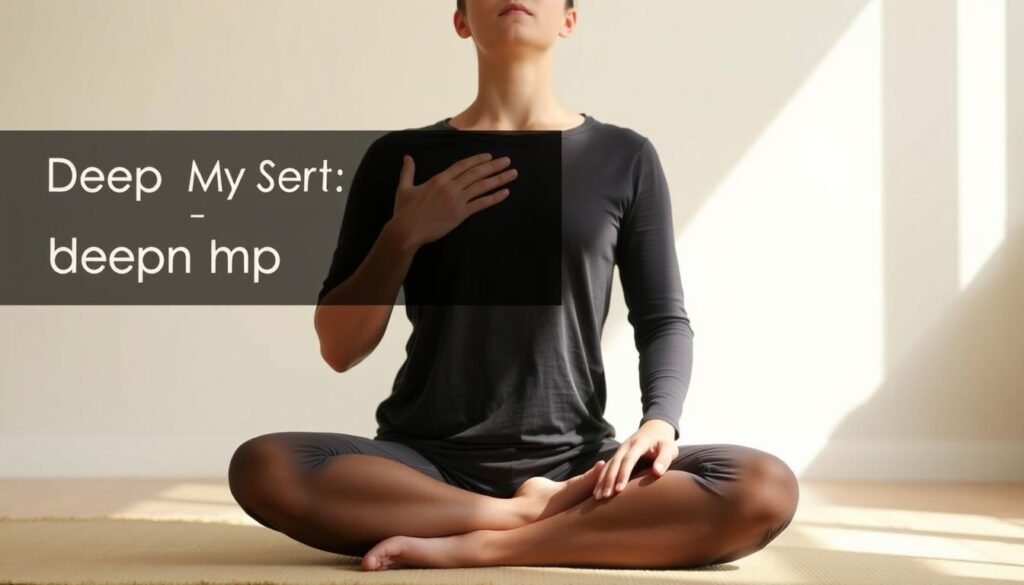
Ready to transform your nighttime routine with a simple technique? This step-by-step guide will walk you through the process of relaxing your body and mind for faster sleep. By focusing on deep breathing, muscle relaxation, and visualization, you can achieve a calm state in just a few minutes.
Deep Breathing and Relaxation
Start by finding a comfortable position, preferably in your bed. Take a deep breath in for four seconds, hold it for seven seconds, and exhale slowly for eight seconds. Repeat this cycle for one minute. This breathing exercise helps lower your heart rate and prepares your body for relaxation.
Counting each second during this process keeps your mind focused. It’s a simple yet effective way to quiet distractions and set the stage for the next steps.
Systematic Muscle Release from Head to Toe
Begin at the top of your head. Tense your facial muscles for five seconds, then release. Move down to your neck and shoulders, repeating the same process. Continue this pattern through your arms, chest, stomach, legs, and finally your toes.
By systematically releasing tension from each muscle group, you train your body to relax fully. This step is crucial for achieving a state of deep calm.
Clearing Your Mind with Visualization
Once your body is relaxed, focus on your mind. Picture a serene environment, like a quiet beach or a peaceful forest. Imagine the sounds, smells, and sensations of this place. Visualization helps clear your mind of lingering thoughts and promotes mental relaxation.
Consistently practicing these steps can help you achieve a clear mind and faster sleep onset. For more tips on improving your sleep routine, check out this guide to curing insomnia.
| Step | Focus Area | Time Required |
|---|---|---|
| Deep Breathing | Calm the mind and body | 1 minute |
| Muscle Relaxation | Release physical tension | 3-5 minutes |
| Visualization | Clear mental distractions | 2-3 minutes |
By following these steps every night, you’ll train your body to relax quickly and efficiently. This technique is not only effective but also adaptable to any environment. For further insights, explore this detailed breakdown of the method.
Techniques Behind the Military Sleep Method

Have you ever considered the science behind falling asleep quickly? The method relies on two core techniques: progressive muscle relaxation and biofeedback. These practices work together to reduce physical and mental tension, helping you achieve a state of calm.
Progressive Muscle Relaxation Explained
Progressive muscle relaxation involves systematically tensing and releasing each muscle group. Start with your head and work your way down to your legs. This process helps release built-up tension and prepares your body for rest.
Research shows that this technique can lower cortisol levels, the hormone linked to stress. By focusing on your head and other body parts, you can improve your overall sleep performance.
Biofeedback and Its Role in Sleep
Biofeedback is a process that helps you become aware of your body’s functions, like heart rate and muscle tension. By monitoring these signals, you can learn to control them, reducing pressure and promoting relaxation.
Studies have found that biofeedback can enhance sleep quality by regulating the brain’s activity. It’s particularly effective when paired with progressive muscle relaxation, creating a powerful combination for better rest.
Understanding these techniques can help you optimize the method for your needs. For more insights into how these practices work, check out this detailed guide.
By incorporating these strategies into your routine, you can reduce stress and improve your energy levels. For a deeper dive into the science of sleep cycles, explore this resource.
Integrating the Hack into Your Nightly Routine
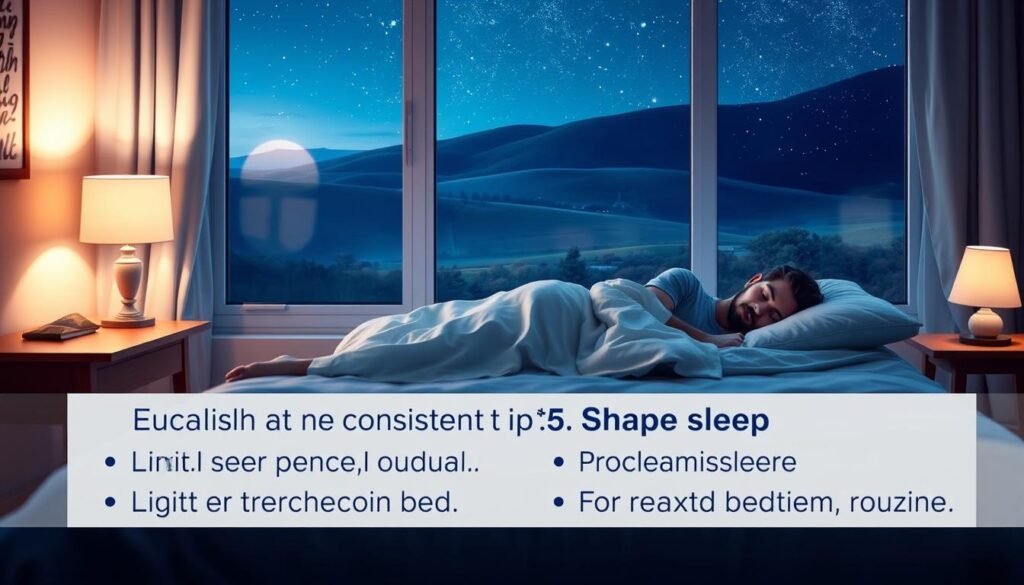
Looking for a way to improve your nightly routine? Incorporating this technique into your habits can make a big difference. By pairing it with good sleep hygiene and environmental adjustments, you’ll see results in no time.
Pairing with Good Sleep Hygiene
Start by setting a consistent bedtime. Going to bed at the same time every night helps your body establish a rhythm. Avoid screens at least an hour before bed, as blue light can disrupt your rest.
Limit caffeine and heavy meals in the evening. Instead, opt for a light snack if needed. These small changes can enhance the effectiveness of the technique, making it easier to relax.
Scheduling Consistency and Environmental Tips
Consistency is key. Practice the method at the same time every night for a week to see noticeable improvements. This helps train your body to respond quickly to the relaxation cues.
Adjust your environment for better rest. Keep your room cool, quiet, and dark. Use blackout curtains or a white noise machine if necessary. These tweaks create an ideal setting for the technique to work.
For deeper insights, consider reading related sections in the book that inspired this method. It’s a great way to understand the science behind it.
| Adjustment | Benefit |
|---|---|
| Consistent Schedule | Trains your body to relax faster |
| Cool Room Temperature | Promotes deeper rest |
| Reduced Noise | Minimizes distractions |
Small changes, even down to a finger’s movement, can improve your overall sleep quality. For more tips on optimizing your habits, check out this guide to avoiding common sleep mistakes.
Scientific Insights and Expert Opinions

What does science say about falling asleep quickly and effectively? Research and expert opinions provide compelling evidence for the effectiveness of techniques like deep breathing and visualization. These methods not only reduce stress but also promote better rest, helping you achieve the elusive two minute goal.
Research Supporting Deep Breathing and Visualization
Studies show that deep breathing can significantly lower stress levels. This, in turn, helps you fall asleep faster. For example, a study published in Nature found that warming feet before bed dilates blood vessels, lowering core body temperature and aiding in falling asleep.
Visualization techniques also play a crucial role. By focusing on calming images, you can clear your mind of distractions. This mental relaxation complements the physical benefits of deep breathing, creating a powerful combination for better rest.
Insights from Sleep Specialists and Studies
Sleep specialists emphasize the importance of consistent practice. Dr. Brian Koo notes,
“Regular use of these techniques trains your body to relax on command, making it easier to fall asleep even in stressful situations.”
Research also highlights the long-term benefits. A study from the University of Pennsylvania showed that participants who practiced these methods reported a 25% increase in energy levels. This underscores the importance of getting enough rest for overall health and cognitive performance.
- Deep breathing reduces stress and promotes faster sleep onset.
- Visualization techniques help clear mental distractions.
- Consistent practice leads to measurable improvements in sleep quality.
For a deeper understanding of how these techniques can improve your sleep, check out this sleep debt calculator to assess your sleep needs and track your progress.
Wrapping Up Your Journey to Better Sleep
Transform your nights with a proven relaxation method. This technique, rooted in deep breathing and muscle release, offers a practical way to improve your health and energy levels. Each part of the process—from calming your mind to relaxing your body—works together to create a powerful impact.
With consistent practice, you can experience noticeable changes in just an hour of daily effort. Over time, this method helps reduce stress, clear your thoughts, and promote deeper rest. It’s a valuable tool for every person seeking better sleep and overall well-being.
Make this technique a part of your nightly routine. By doing so, you’ll not only improve your sleep quality but also enhance your daytime energy. For more resources to improve your sleep habits, explore our tools and guides.
Take the first step today. Embrace the power of relaxation and unlock a more rested, energized version of yourself.
FAQ
What is the military sleep method?
The military sleep method is a technique designed to help you fall asleep quickly by combining deep breathing, muscle relaxation, and mental focus. It originated from practices used by military personnel to rest effectively in high-stress environments.
How does the military sleep method work?
This method works by systematically relaxing your body, starting from your head and moving down to your toes. It also involves controlled breathing and clearing your mind of distracting thoughts, which helps signal your body to rest.
Can this technique help with insomnia?
Yes, many people find this method effective for managing insomnia. By reducing physical tension and calming your mind, it creates an environment conducive to falling asleep more easily.
How long does it take to master the military sleep method?
With consistent practice, most people can see results within a week. However, the time it takes to master the technique varies depending on your ability to relax and focus.
Is this method backed by science?
Yes, research supports the principles behind this technique, such as progressive muscle relaxation and controlled breathing. These practices are known to reduce stress and improve sleep quality.
Can I use this method during the day for a quick nap?
Absolutely. This technique is versatile and can be used anytime you need to rest, whether at night or during the day for a power nap.
What are the best environmental conditions for this method?
A quiet, dark, and comfortable space is ideal. Pairing this technique with good sleep hygiene, like maintaining a cool room temperature, can enhance its effectiveness.
Are there any side effects to using this method?
There are no known side effects. However, if you have a medical condition affecting your breathing or muscles, consult a healthcare professional before trying this technique.
Source Links
- This doctor-approved, Navy SEAL power nap technique works in under 10 minutes
- Want to fall asleep faster? People share their favorite hacks for nodding off quickly.
- We Finally Know Why It’s So Hard for Adults to Fall Asleep—Here’s What a Doctor Says to Do About It
- 5 Classic Tricks and Hacks for Falling Asleep Faster
- Five-step ‘military’ technique ‘gets you to sleep in two minutes’
- Five-step technique soldiers use to get to sleep ‘in two minutes’
- 17 Techniques to Help You Fall Asleep Faster
- One simple breathing exercise could be all you need to enjoy a good night’s sleep
- I Tried Elon Musk’s Daily Routine for a Week
- The Economist | Independent journalism
- Seven unusual sleep hacks to help you drift off peacefully – we speak to a sleep expert about how to get a good night’s rest
- Can sitting in a giant wooden orb improve your sleep, immune system and memory?
- I Can’t Stop Thinking About This Sleep Hack from Navy SEALs