Updated November 1, 2026
Quick answer: Use a washable protector for routine soil, sweat, and spill management. Choose a fully zippered encasement when an allergen-control or pest-management plan specifically needs full coverage. Keep a normal pillowcase over either option for comfort and frequent washing.
Original product and context images

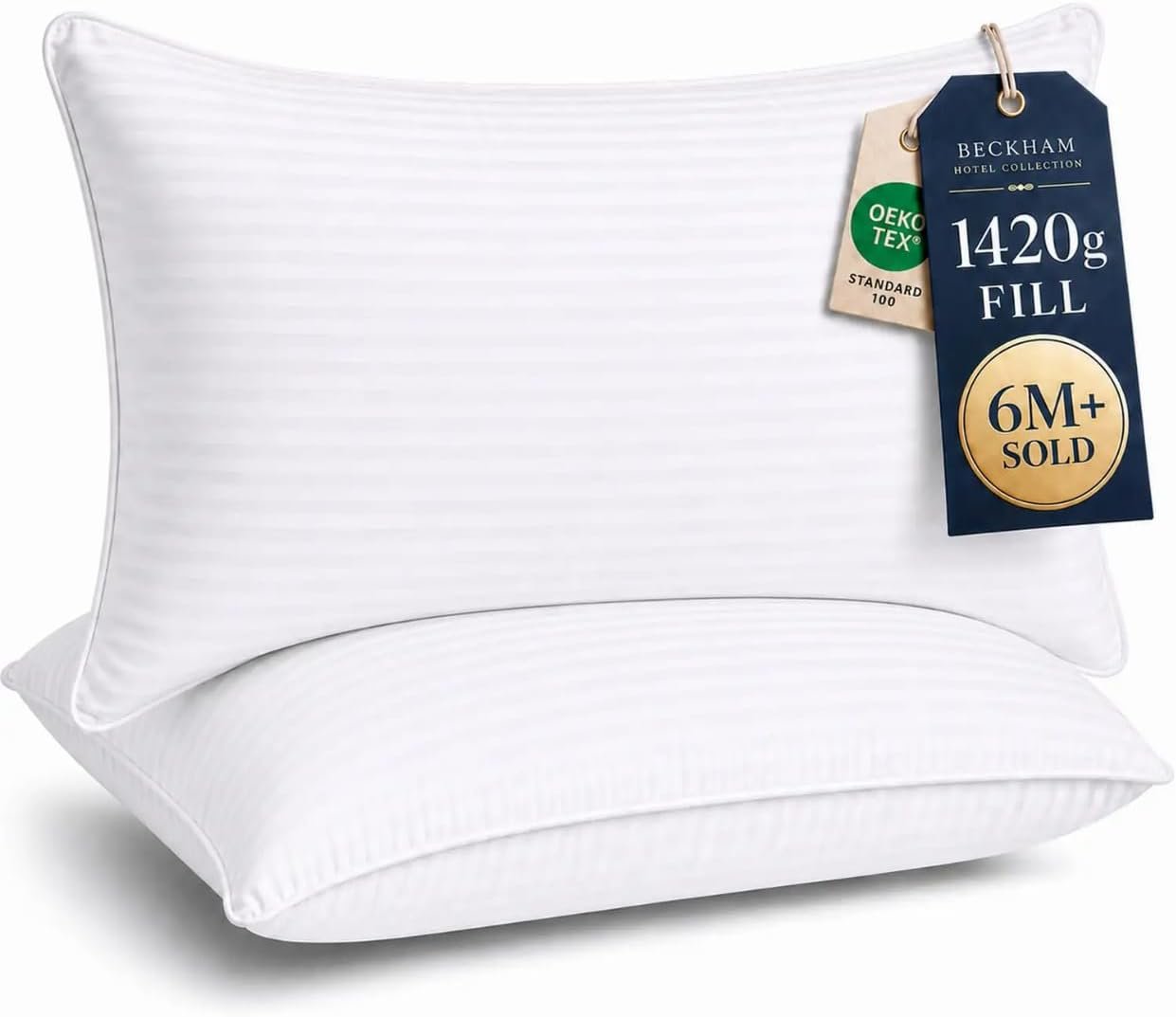
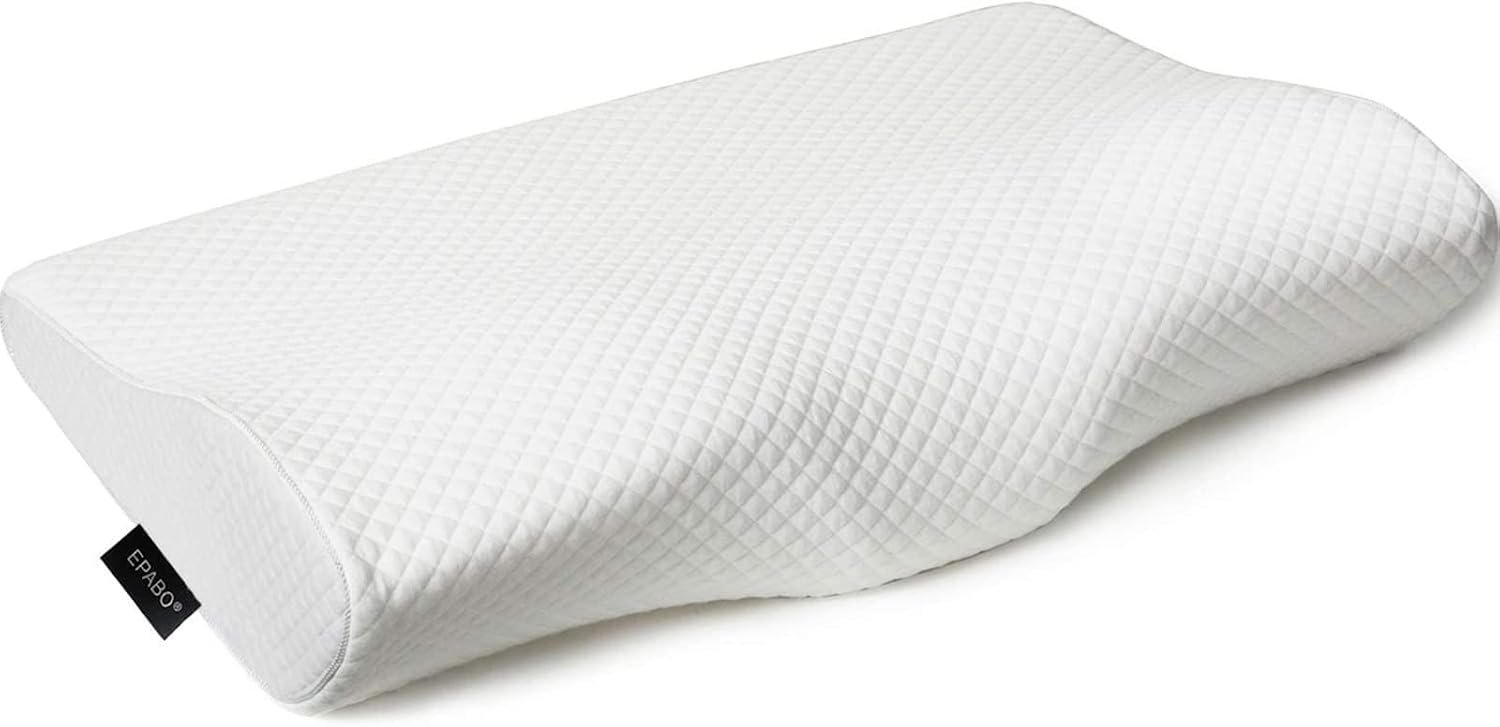
Existing first-party site images are retained for construction context and product identification. Packaging and specifications may change.
What is the difference between a pillow protector and an encasement?
A protector adds a removable barrier and may close with a flap, envelope, or zipper. An encasement surrounds the pillow and normally uses a zipper for full closure.
Can a pillow encasement reduce dust-mite exposure?
An allergen-impermeable cover can be one part of a dust-mite plan. The EPA also recommends washable bedding, complete drying, routine cleaning, and indoor relative humidity around 30–50% for people with dust-mite allergy.
A cover alone does not diagnose an allergy or guarantee symptom improvement. Discuss persistent asthma or allergy symptoms with a healthcare professional.
Is a pillow encasement enough for bed bugs?
No. Bed bugs hide in seams, bed frames, headboards, cracks, and nearby furniture. CDC guidance recommends professional pest control when an infestation is suspected.
Source: CDC bed-bug guidance.
What should a waterproof protector actually do?
A waterproof layer should block ordinary spills without making the pillow uncomfortably stiff or noisy. Check whether the claim covers the whole product, only one panel, or a specific liquid test.
Replace a protector when its membrane cracks, delaminates, tears, or leaks. CDC healthcare guidance emphasizes that torn covers no longer provide an intact impermeable surface.
How should a protector fit?
Match both pillow dimensions and depth. A tight protector can compress loft and change support; an oversized one can bunch beneath the face.
For encasements, inspect the zipper stop, seams, and end closure after every wash.
Which cover type fits your goal?
Select the main goal first. Then verify the exact performance claim, material, closure, wash temperature, drying limit, and replacement instructions.
What problem are you solving?
Frequently asked questions
Do I still need a pillowcase?
Yes. A pillowcase provides the comfort surface and is easier to wash frequently.
Can a protector change pillow height?
Yes. A tight or stiff cover can compress fill and reduce contouring.
How often should it be washed?
Follow the label and wash after spills or contamination. Dry fully before reinstalling.
Are waterproof covers breathable?
Some manage vapor better than others. “Waterproof” does not prove a specific airflow or comfort level.