
Did you know that REM sleep makes up about 20-25% of your nightly rest? Despite its short duration, this stage is crucial for your brain and body. During this phase, your brain becomes highly active, almost as if you’re awake, while your body remains still. This paradoxical state is what makes it so unique.
REM sleep, or rapid eye movement, plays a vital role in memory consolidation, emotional processing, and creativity. It’s the time when your brain sorts through the day’s experiences, helping you retain important information and manage emotions effectively. Without enough of it, you might feel groggy, forgetful, or emotionally unbalanced.
In this article, you’ll discover why this sleep stage is essential and learn practical tips to enhance it. From understanding the science behind it to actionable steps for improvement, we’ve got you covered. Let’s dive in!
Key Takeaways
- REM sleep is critical for memory and emotional health.
- It involves heightened brain activity despite body paralysis.
- This stage helps process emotions and boost creativity.
- Lack of REM sleep can lead to cognitive and emotional issues.
- Improving REM sleep can enhance overall well-being.
Understanding REM Sleep
Have you ever wondered what happens in your brain during the most active phase of rest? This stage, known as rapid eye movement, is when your mind is highly active, even though your body remains still. It’s a unique state that plays a critical role in how you process emotions, memories, and even creativity.
Definition and Overview
During this phase, your brain becomes almost as active as when you’re awake. This is when most vivid dreams occur. Unlike other stages, your muscles are temporarily paralyzed, preventing you from acting out your dreams. This combination of high brain activity and physical stillness is what makes it so distinct.
Historical Discovery and Terminology
The term rapid eye movement was coined in the 1950s by researchers Eugene Aserinsky and Nathaniel Kleitman. They observed that during this stage, the eyes move quickly beneath the eyelids. Later, William Dement and Michel Jouvet expanded on this research, linking it to dreaming and memory consolidation. Their work laid the foundation for our modern understanding of this crucial phase.
The Science Behind REM Sleep
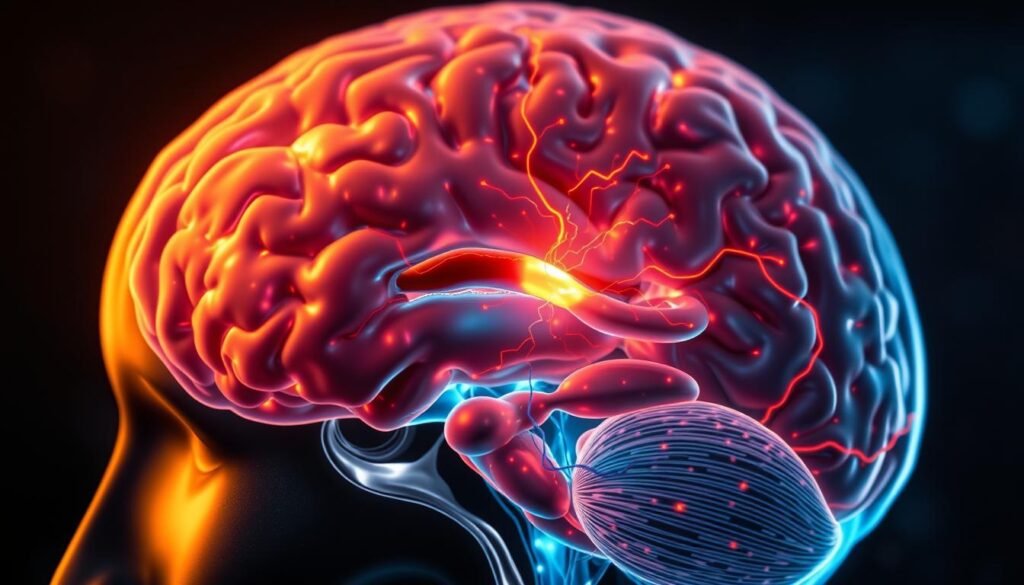
The brain’s activity during this phase is as fascinating as it is complex. During this stage, your mind becomes highly active, almost mirroring wakefulness. This unique state is driven by specific electrical patterns and neurotransmitters that play a critical role in your mental and emotional health.
Brain Activity and Neurotransmitters
During this phase, your brain exhibits high levels of activity, similar to when you’re awake. Neurotransmitters like acetylcholine are abundant, while monoamines like serotonin and norepinephrine are nearly absent. This shift creates the perfect environment for vivid dreams and emotional processing.
Interestingly, your body remains still due to temporary muscle paralysis. This prevents you from acting out your dreams, ensuring safety while your mind remains active.
Electrical Patterns and PGO Waves
One of the most intriguing aspects of this phase is the presence of PGO waves. These electrical patterns originate in the pons, travel to the geniculate nucleus, and then to the occipital cortex. They are thought to play a key role in generating dreams and consolidating memory.
Studies show that these waves are closely linked to the rapid eye movements observed during this stage. This connection highlights the intricate relationship between brain activity and sensory experiences during this phase.
REM Sleep and the Sleep Cycle

Your nightly rest is a carefully orchestrated sequence of stages. Each phase plays a unique role in restoring your body and mind. The cycle repeats multiple times, ensuring you get the most out of your rest.
Non-REM vs. REM Comparisons
Non-REM and REM phases are distinct yet interconnected. Non-REM is divided into three stages, each deeper than the last. During this time, your body repairs tissues, builds bone, and strengthens the immune system.
In contrast, the REM phase is marked by rapid eye movement and heightened brain activity. This is when most vivid dreams occur, and your brain processes emotions and memories. While your mind is active, your body remains still due to temporary muscle paralysis.
Cycle Duration and Stage Transitions
On average, each cycle lasts about 90 minutes. Early in the night, non-REM dominates, with shorter REM periods. As the night progresses, REM phases lengthen, while non-REM becomes lighter.
Here’s a breakdown of how the stages evolve:
| Stage | Duration | Key Characteristics |
|---|---|---|
| Non-REM Stage 1 | 5-10 minutes | Light rest, easy to wake |
| Non-REM Stage 2 | 20-30 minutes | Body temperature drops, heart rate slows |
| Non-REM Stage 3 | 20-40 minutes | Deep rest, tissue repair |
| REM | 10-60 minutes | Dreaming, memory consolidation |
Maintaining a consistent sleep cycle is crucial for optimal rest quality. Disruptions can shorten REM periods, affecting memory and emotional health. By understanding these transitions, you can take steps to improve your nightly rest.
The Importance of REM Sleep for Memory and Learning

Memory and creativity are deeply tied to a specific stage of nightly rest. During this phase, your brain processes and organizes information, helping you retain what you’ve learned and solve problems more effectively. This stage is essential for both mental sharpness and emotional balance.
Memory Consolidation Benefits
Your brain works like a filing system during this phase. It sorts through the day’s experiences, deciding what to keep and what to discard. Research shows that this process strengthens neural connections, making it easier to recall information later.
A study from the University of York found that participants who experienced this phase performed better on memory tasks. Their brains were able to process and store information more efficiently, highlighting the importance of this stage for learning.
Interestingly, even brief periods during this phase can have a significant impact. Just a few minutes can enhance your ability to remember details and improve cognitive function.
Enhanced Creativity and Problem Solving
This phase is also a powerhouse for creativity. When your muscle activity is low, your brain can focus on making connections between seemingly unrelated ideas. This is why many people wake up with solutions to problems they’ve been pondering.
Another study demonstrated that participants who experienced this phase were better at solving complex puzzles. Their brains were able to think outside the box, thanks to the unique activity patterns during this stage.
For example, a person working on a creative project might find that ideas flow more easily after a good night’s rest. This is because the brain has had time to process and organize information, leading to fresh insights.
By prioritizing this phase, you can boost both your memory and creativity, making it easier to tackle challenges and learn new skills.
Emotional Processing and Dreaming

Dreams are more than just random thoughts; they reflect your brain’s inner workings. During this phase, your mind becomes highly active, creating vivid experiences that feel real. These dreams are not just stories but a crucial part of how your brain processes emotions and memories.
Dreaming as a Reflection of Brain Activity
Your dreams are a direct result of the intense activity happening in your brain. During this phase, electrical patterns and neurotransmitters work together to create vivid imagery. Studies show that these patterns, like PGO waves, are responsible for the intensity and clarity of your dreams.
Interestingly, your body remains still, allowing your mind to focus entirely on processing emotions. This unique combination of brain activity and physical stillness is what makes this phase so essential for emotional health.
Research indicates that dreams play a key role in regulating emotions. A study from Harvard University found that participants who experienced this phase were better at managing stress and anxiety. Their brains were able to process and resolve emotional conflicts more effectively.
The Role of Dreams in Emotional Regulation
Dreams help your brain sort through the day’s emotional experiences. They act as a system for processing feelings, helping you wake up with a clearer mind. This is why people who get enough of this phase often report better emotional balance.
For example, if you’ve had a stressful day, your dreams might help you process those emotions. This can lead to a sense of relief and clarity when you wake up. It’s like your brain’s way of hitting the reset button.
Here’s how your sleep cycle supports emotional processing:
| Stage | Duration | Emotional Impact |
|---|---|---|
| Non-REM Stage 1 | 5-10 minutes | Light emotional processing |
| Non-REM Stage 2 | 20-30 minutes | Moderate emotional regulation |
| Non-REM Stage 3 | 20-40 minutes | Deep emotional restoration |
| REM | 10-60 minutes | Intense emotional processing |
By understanding this process, you can take steps to improve your emotional health. Prioritizing this phase ensures your brain has enough time to process and regulate emotions effectively.
Harnessing Dream Insights for Personal Growth
Your dreams can also be a tool for self-discovery. By paying attention to recurring themes or emotions in your dreams, you can gain insights into your subconscious mind. For example, a dream about being chased might indicate underlying anxiety.
Here are some tips to make the most of your dreams:
- Keep a dream journal to track patterns and emotions.
- Reflect on your dreams to identify unresolved feelings.
- Use dream insights to address emotional challenges in your waking life.
By embracing this phase, you can enhance your emotional well-being and unlock new ways to grow personally. Dreams are not just a part of your sleep cycle; they’re a window into your mind’s deepest workings.
REM Sleep: Critical Benefits for Mental and Physical Well-being

Your brain and body rely on a specific phase of rest to function at their best. This phase, often overlooked, plays a vital role in maintaining mental clarity, emotional balance, and physical health. Without it, your overall well-being can suffer significantly.
Research shows that this phase significantly affects neurobiological functions, hormonal regulation, and overall health in adults. Compared to non-REM sleep, it offers unique restorative benefits that are essential for daily functioning.
Here’s how this phase impacts your health:
- It enhances memory consolidation and learning, helping you retain information more effectively.
- It regulates emotions, reducing stress and anxiety levels.
- It supports hormonal balance, ensuring your body operates efficiently.
Studies have linked higher amounts of this phase to better overall health profiles. For example, a study found that adults with sufficient levels of this phase had improved cognitive function and emotional resilience.
Compared to non-REM sleep, this phase is more active in processing emotions and memories. While non-REM sleep focuses on physical restoration, this phase is crucial for mental and emotional health.
Here’s a comparison of the two phases:
| Aspect | REM Sleep | Non-REM Sleep |
|---|---|---|
| Brain Activity | High, similar to wakefulness | Low to moderate |
| Physical Restoration | Limited | Extensive |
| Emotional Processing | Intense | Minimal |
| Memory Consolidation | Strong | Moderate |
Prioritizing this phase is essential for adults who want to maintain optimal health. By ensuring you get the right amount, you can improve your mental clarity, emotional stability, and physical well-being.
Here are actionable insights to enhance this phase:
- Maintain a consistent sleep schedule to regulate your internal clock.
- Create a relaxing bedtime routine to prepare your mind and body for rest.
- Avoid stimulants like caffeine and electronics before bed.
By focusing on this phase, you can unlock its full potential and enjoy a healthier, more balanced life. Your brain and body will thank you.
Physiological Impacts of REM Sleep

Your body undergoes unique changes during a specific phase of rest. This stage is marked by significant shifts in heart rate, breathing, and temperature regulation. These changes are not just random; they play a critical role in your overall health.
Cardiovascular and Respiratory Changes
During this phase, your heart rate increases, often resembling wakefulness. This irregularity is linked to heightened brain activity. Similarly, your breathing becomes more erratic, with periods of rapid and shallow breaths.
Research shows that these changes are essential for development and recovery. For example, a study found that longer periods of this phase in later cycles help regulate cardiovascular health.
Body Development and Sleep Disorders
This phase also supports physical growth and repair. It’s particularly important for children, as it aids in development. However, irregularities can signal underlying issues.
Certain disorders, like sleep apnea, are closely tied to these physiological changes. Monitoring them can help detect and manage these conditions early.
- Increased heart rate and irregular breathing are hallmarks of this phase.
- Longer periods in later cycles support recovery and health.
- Irregularities can indicate disorders like sleep apnea.
Understanding these changes is crucial for maintaining your health. By paying attention to your body’s signals, you can ensure a more restful and restorative day.
REM Sleep Behavior and Related Disorders
Imagine waking up to find yourself acting out your dreams—this is a reality for those with REM Sleep Behavior Disorder (RBD). Unlike typical rest, where your body remains still, RBD disrupts this process, leading to physical movements and even injuries. This condition highlights the critical role of muscle atonia during this phase.
Understanding REM Sleep Behavior Disorder
RBD occurs when the normal paralysis of muscles during this phase fails. This allows individuals to act out vivid, often intense dreams. Symptoms include kicking, punching, or even shouting during rest. Over time, these episodes can become more frequent and severe.
Research links RBD to neurodegenerative diseases like Parkinson’s. A study found that abnormal synuclein proteins, often present in Parkinson’s patients, were also found in those with RBD. This connection underscores the importance of early diagnosis and intervention.
Sleep Quality and Disrupted Cycles
Disrupted cycles can significantly impact your overall health. When this phase is interrupted, your brain struggles to process emotions and consolidate memories. This can lead to difficulties in learning and emotional regulation.
During typical rest, your heart rate and temperature fluctuate to support recovery. In RBD, these changes become erratic, further affecting sleep quality. For example, increased heart rate during episodes can lead to fragmented rest and daytime fatigue.
| Aspect | Typical REM | REM Sleep Behavior Disorder |
|---|---|---|
| Muscle Activity | Paralyzed | Active, movements occur |
| Heart Rate | Moderate fluctuations | Erratic, often elevated |
| Temperature | Regulated | Irregular, may increase |
| Dreams | Vivid but not acted out | Acted out physically |
If you or someone you know experiences these symptoms, it’s essential to seek help. Early diagnosis can improve sleep quality and reduce risks associated with RBD. For more information, visit the Mayo Clinic’s guide on REM Sleep Behavior.
Factors That Influence REM Sleep Duration
Your nightly rest isn’t just about duration—it’s about quality and consistency. The amount of time you spend in the REM phase can be influenced by various lifestyle and environmental factors. Understanding these can help you optimize your rest for better mental and physical health.
Disruptions in your regular pattern can significantly reduce REM duration. For example, irregular bedtimes or frequent awakenings can fragment this crucial phase. Studies show that maintaining a consistent schedule helps stabilize your sleep cycles, ensuring you get enough REM.
Stress is another major factor. High stress levels can elevate your heart rate, making it harder to reach deep sleep stages. Medications, especially antidepressants, can also alter REM duration. If you’re on medication, consult your doctor to understand its impact on your rest.
Daily routines play a role too. Consuming caffeine or alcohol close to bedtime can disrupt your pattern. Instead, opt for calming activities like reading or meditation to prepare your body for rest. A balanced sleep environment, with minimal noise and light, is equally sleep important.
Here’s a breakdown of factors affecting REM duration:
| Factor | Impact on REM | Solution |
|---|---|---|
| Stress | Reduces duration | Practice relaxation techniques |
| Medication | Alters cycles | Consult a healthcare provider |
| Caffeine/Alcohol | Disrupts pattern | Avoid before bedtime |
| Irregular Schedule | Fragments REM | Maintain consistent bedtimes |
Understanding the connection between overall sleep importance and REM quality is crucial. Prioritizing a balanced environment and healthy habits can enhance your rest. For more insights, explore the REM sleep guide by the Sleep Foundation.
By making small adjustments, you can stabilize your pattern and improve your overall well-being. Your heart and mind will thank you for it.
Techniques to Improve Your REM Sleep
Improving your nightly rest quality starts with small, intentional changes. By focusing on your bedtime routine and sleep environment, you can enhance the time spent in the REM phase, ensuring better mental and physical health.
Creating a Relaxing Bedtime Routine
A consistent routine signals your body to prepare for rest. Start by winding down an hour before bed. Activities like reading or meditation can help lower your heart rate, making it easier to drift asleep.
Research shows that mindfulness practices, such as deep breathing, can improve sleep quality. A study found that participants who practiced relaxation techniques experienced fewer interruptions in their sleep cycles.
- Set a fixed bedtime and wake-up time to regulate your internal clock.
- Avoid screens at least 30 minutes before bed to reduce blue light exposure.
- Incorporate calming activities like journaling or listening to soft music.
Optimizing Your Sleep Environment
Your surroundings play a crucial role in falling asleep and staying asleep. Start by adjusting your room temperature. Experts recommend keeping it between 60 to 67 degrees Fahrenheit for optimal comfort.
Light and noise control are equally important. Use blackout curtains to block external light and consider a white noise machine to mask disruptive sounds. These adjustments can help maintain a steady heart rate throughout the night.
- Invest in a comfortable mattress and pillows to support your body.
- Keep your bedroom clutter-free to create a calming atmosphere.
- Use aromatherapy with scents like lavender to promote relaxation.
By making these small changes, you can significantly improve your sleep quality and ensure longer, uninterrupted REM periods. Your body and mind will thank you for it.
Lifestyle and Environmental Influences on REM Sleep
Your daily habits play a bigger role in your rest quality than you might think. From what you consume to how you spend your evenings, these factors can significantly impact the time you spend in the REM phase. Understanding these influences can help you make changes that improve your overall rest.
Impact of Caffeine, Alcohol, and Electronics
Caffeine and alcohol are two substances that can disrupt your rest. Caffeine, found in coffee and energy drinks, stays in your system for hours. It can delay the onset of the REM phase, reducing its duration. Alcohol, while it may help you fall asleep faster, fragments your rest later in the night, cutting short crucial REM periods.
Electronics, especially smartphones and laptops, emit blue light that tricks your brain into thinking it’s daytime. This delays the release of melatonin, the hormone that signals it’s time to rest. Over time, this can reduce the quality of your rest, making it harder to reach the REM phase.
Here’s how these factors affect your rest:
| Factor | Impact on REM | Solution |
|---|---|---|
| Caffeine | Delays REM onset | Avoid after 2 PM |
| Alcohol | Fragments REM | Limit evening consumption |
| Electronics | Reduces melatonin | Turn off devices 1 hour before bed |
Body Temperature and Sleep Disruptions
Your body temperature plays a key role in how well you rest. A cooler environment helps signal to your brain that it’s time to rest. Studies show that the ideal room temperature for rest is between 60 to 67 degrees Fahrenheit. Higher temperatures can lead to frequent awakenings, reducing the time spent in the REM phase.
Here are some tips to optimize your environment:
- Keep your bedroom cool and well-ventilated.
- Use breathable bedding to regulate your body temperature.
- Consider a fan or air conditioner during warmer months.
By making these adjustments, you can create a rest-friendly environment that supports longer, uninterrupted REM periods. Small changes in your daily habits and surroundings can lead to significant improvements in your rest quality.
Changes in REM Sleep Across Different Life Stages
As you grow, your rest patterns evolve in ways that shape your health and development. The proportion of time spent in the REM phase varies significantly from infancy to adulthood. Understanding these changes can help you appreciate the importance of tailored rest recommendations for different age groups.
Infancy, Adolescence, and Adulthood
Infants spend a much higher percentage of their rest in the REM phase compared to adults. For example, newborns may spend up to 50% of their rest in REM, while adults average around 20-25%. This difference is linked to the rapid brain development occurring in early life.
During infancy, the brain’s cell activity is highly active, supporting learning and memory consolidation. As you age, the proportion of REM decreases, stabilizing in adulthood. Research shows that this decline is linear, with a reduction of approximately 0.6% per decade until the mid-70s.
Here’s how REM proportions change across life stages:
| Life Stage | REM Proportion | Key Characteristics |
|---|---|---|
| Infancy | 50% | Supports rapid brain development |
| Adolescence | 25-30% | Facilitates learning and emotional regulation |
| Adulthood | 20-25% | Maintains cognitive and emotional health |
| Elderly | 15-20% | Declines slightly but stabilizes with age |
These changes have significant implications for learning, memory, and overall development. For instance, infants rely on REM to process new information, while adults use it to consolidate memories and regulate emotions. A study found that maintaining adequate REM proportions is crucial for cognitive function throughout life.
Understanding these transitions can help you optimize your rest. For more insights, explore the research on REM changes across the.
Conclusion
Understanding the science behind your nightly rest can transform your health and well-being. This article has highlighted the critical role of the REM phase, contrasting it with the stage non-rem sleep. Scientific research shows that REM is essential for memory, emotional regulation, and overall mental clarity.
To improve your rest quality, focus on maintaining a consistent schedule and creating a calming bedtime routine. Avoid stimulants like caffeine and electronics before bed. These small changes can enhance your REM duration and overall rest experience.
If you suspect a sleep disorder, such as disrupted cycles or frequent awakenings, consider seeking professional help. Monitoring your patterns and addressing underlying issues can lead to significant improvements in your health.
Take action today to prioritize your rest. Your body and mind will thank you for it.
FAQ
What is rapid eye movement sleep?
Rapid eye movement sleep is a stage where your brain is highly active, and your eyes move quickly. It’s when most dreaming occurs, and it plays a key role in memory and emotional processing.
How does REM differ from non-REM sleep?
During non-REM sleep, your body relaxes, and brain activity slows. In contrast, rapid eye movement sleep involves heightened brain activity, vivid dreams, and temporary muscle paralysis.
Why is REM important for memory?
This stage helps consolidate memories, making it easier to retain information. It also enhances creativity and problem-solving skills by processing experiences from the day.
How much REM sleep do you need?
Adults typically need about 20-25% of their total sleep time in this stage. For most, this means 90-120 minutes per night, though it varies by age and lifestyle.
What happens if you don’t get enough REM sleep?
Insufficient REM can lead to memory issues, mood swings, and difficulty concentrating. Over time, it may also impact mental and physical health.
Can you improve your REM sleep?
Yes, maintaining a consistent sleep schedule, reducing stress, and avoiding caffeine or alcohol before bed can help. A calming bedtime routine also promotes better sleep quality.
How does REM change with age?
Infants spend the most time in this stage, while adults experience less. As you age, the duration of REM may decrease, but its importance remains the same.
What is REM sleep behavior disorder?
This condition occurs when the muscle paralysis during REM fails, causing people to act out their dreams. It can disrupt sleep and pose safety risks.
How does REM affect emotional health?
This stage helps process emotions by integrating experiences into memory. It’s essential for managing stress and maintaining emotional balance.
What role does REM play in physical health?
It supports cardiovascular and respiratory systems, regulates body temperature, and aids in cellular repair, contributing to overall well-being.
Source Links
- Snooze You Win: Why Sleep is Your Secret Weapon
- The Importance of Sleep for Mental Health – True Life Care Mental Health
- How Important Sleep Is for Your Health: Benefits, Science, and Tips for Better Rest
- WHOOP Sleep Validation | How WHOOP Measures Sleep | WHOOP
- The individual determinants of morning dream recall – Communications Psychology
- How Can You Get More REM Sleep?
- Why do we twitch in our sleep?
- Sleep
- Lack of Sleep Weakens Our Memory Control, Allowing Intrusive Thoughts to Invade
- Scientists reveal major link between sleep and Alzheimer’s Disease
- The Role of Sleep in Memory Consolidation
- Why Do We Sleep? The Science Behind One of Life’s Greatest Mysteries
- The Mystery of Dreams: Why We Dream and What They Mean
- Sleep Disorders News
- The prevalence and risk factors of sleep disturbances in community-dwelling older adults: a systematic review and meta-analysis – Sleep and Breathing
- Sleep disruption linked to inflammatory immune changes and health risks
- Clinical trials in REM sleep behavioural disorder: challenges and opportunities
- Sleep Disorder Research News
- Blog 1 — NAPS Consortium for REM Sleep Behavior Disorder
- 8 Types of Common Sleep Disorders
- The Best Things to Eat for a Good Night’s Sleep
- Sleep Disturbance and Perimenopause: A Narrative Review
- Best ways to improve sleep without medication
- Why You Wake Up at 3 a.m., and How to Get Back to Sleep
- 50 Easy Ways to Sleep Better
- Sleep Temperature Optimization – Better Sleep Council | Start every day with a good night’s sleep
- These ten habits might be keeping you from sleeping | amNewYork
- Infant sleep EEG features at 4 months as biomarkers of neurodevelopment at 18 months – Pediatric Research
- Getting a good night’s sleep might stop you from getting another cold — here’s how
- Sleep quality and associated factors in Latin American medical students: a cross-sectional and multicenter study – BMC Public Health
- The Relationship Between Dementia, Parkinson’s, and Sleep
- The Connection Between Alcohol Detox and Sleep Health