
Have you ever woken up feeling stiff, sore, or unrested? The way you sleep might be the culprit. Your sleep position plays a crucial role in determining your sleep quality, spine alignment, and overall health. Whether you’re a side sleeper, back sleeper, or stomach sleeper, your nightly habits can make or break your rest.
This article dives into seven optimal and seven suboptimal sleep positions. You’ll learn how each one affects your body and discover evidence-based strategies to improve your sleep quality. From reducing acid reflux to maintaining spinal alignment, the right position can transform your nights.
Backed by scientific insights and expert recommendations, this guide will help you make informed choices. Ready to wake up feeling refreshed? Let’s explore how your sleep position can lead to better rest and improved health.
Key Takeaways
- Your sleep position impacts your sleep quality and overall health.
- Seven optimal and seven suboptimal positions will be covered in this article.
- Spine alignment and acid reflux are key factors to consider.
- Scientific insights and expert recommendations are included for accuracy.
- Evidence-based strategies can help you achieve better rest.
Introduction to Optimal Sleep Positions
The way you rest at night can shape how you feel during the day. Your sleeping position is more than just a habit—it’s a key factor in your overall health. Proper alignment of your body and neck can reduce pain and improve your quality of life.
When you sleep, your body undergoes essential repair processes. The right posture ensures these processes work efficiently. Poor alignment, on the other hand, can lead to discomfort and long-term issues like chronic pain.
The Importance of Sleep Posture on Your Health
Your sleeping position directly impacts your spine, muscles, and joints. Maintaining proper alignment helps prevent strain on your neck and back. Studies show that small adjustments in posture can significantly reduce pain and improve overall health.
For example, side sleeping is often recommended for those with sleep apnea. It improves airflow and reduces pressure on the airway. This simple change can lead to better rest and fewer health complications.
How Sleep Quality Shapes Your Daily Well-Being
Quality sleep is essential for daily energy and focus. The right sleeping position supports your body’s natural repair processes. It also helps you wake up feeling refreshed and ready to tackle the day.
Proper alignment during sleep can also reduce the risk of developing chronic conditions. By addressing issues like neck and back pain, you can improve your long-term health. For more insights, explore best sleeping positions tailored to your needs.
In the following sections, we’ll dive deeper into the best and worst positions for rest. You’ll learn how to make small changes that lead to big improvements in your sleep and overall well-being.
Understanding Best & Worst Sleeping Positions

Your nightly posture can make a significant difference in how your body feels. The way you position yourself during rest impacts your spine, joints, and overall health. Proper alignment ensures your body repairs itself effectively, while misalignment can lead to discomfort and long-term issues.
Defining Which Positions Support Your Spine
Your spine benefits most from positions that maintain its natural curvature. For example, lying on your back with a pillow under your knees helps keep your spine neutral. This reduces pressure on your lower back and promotes better alignment.
Side sleeping, when done correctly, can also support your spine. Placing a pillow between your knees prevents your upper leg from pulling your spine out of alignment. This simple adjustment can alleviate stress on your hips and lower back.
Common Pitfalls and Misalignments to Avoid
Certain postures can increase the risk of misalignment. Sleeping on your stomach, for instance, forces your neck to twist unnaturally. This can strain your spine and lead to chronic discomfort.
Improper bending or twisting during rest can also cause issues. For example, tucking your knees too close to your chest may disrupt your spine’s natural curvature. Over time, this can lead to joint pain and other conditions.
| Position | Impact on Spine | Risk Level |
|---|---|---|
| Back Sleeping | Maintains natural curvature | Low |
| Side Sleeping | Supports alignment with proper knee support | Moderate |
| Stomach Sleeping | Forces neck and spine into unnatural positions | High |
By understanding how different postures affect your spine, you can make informed choices. Small adjustments, like using supportive pillows, can significantly improve your rest and overall health.
Benefits of the Best Sleeping Positions
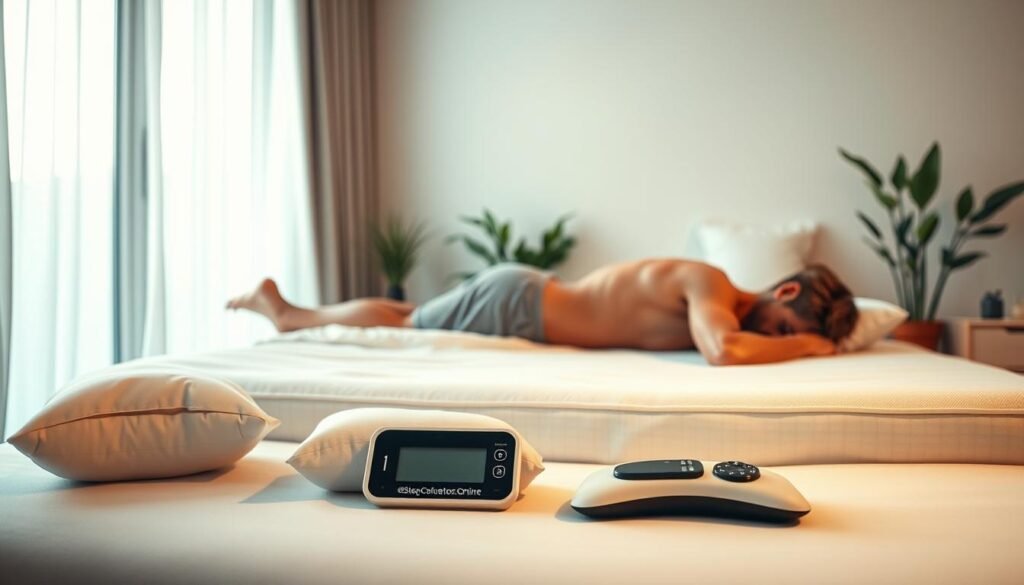
Waking up without aches or stiffness can transform your day. The way you rest at night plays a crucial role in your overall health. Proper alignment of your spine and body can reduce discomfort and improve your quality of life.
Spinal Alignment and Reduced Pressure on Key Areas
Maintaining your spine’s natural curvature is essential for a pain-free rest. When your body is well-aligned, it reduces pressure on key areas like your lower back and neck. This helps prevent long-term issues like chronic back pain.
Using the right pillow and mattress can make a significant difference. For example, a supportive mattress ensures your spine stays neutral, while a contoured pillow keeps your neck aligned. These small adjustments can lead to big improvements in your rest.
Relief for Lower Back and Neck Pain
Many people wake up with discomfort in their lower back or neck. This is often due to poor alignment during rest. Side sleeping, for instance, can reduce pressure on your spine when paired with a pillow between your knees.
Dr. Dustin Cotliar, a sleep expert, emphasizes the importance of proper support.
“A well-supported body during rest allows for better recovery and reduced pain,”
he explains. By making simple changes, you can wake up feeling refreshed and pain-free.
| Position | Benefit | Key Area Supported |
|---|---|---|
| Back Sleeping | Maintains spine alignment | Lower back |
| Side Sleeping | Reduces pressure on hips | Spine and neck |
| Supported Stomach Sleeping | Minimizes neck strain | Neck and shoulders |
By focusing on proper alignment and support, you can improve your rest and overall health. Small changes in your nightly habits can lead to a more comfortable and refreshing morning.
Risks Associated with Worst Sleeping Positions

Your nightly habits could be silently harming your body. Poor alignment during rest can lead to increased pressure on organs, nerve damage, and chronic discomfort. Understanding these risks can help you make better choices for your health.
Increased Pressure on Organs and Nerve Injury
Sleeping on your stomach forces your neck into an unnatural position. This can strain your spine and increase pressure on your internal organs. Over time, this misalignment may lead to nerve injury or chronic pain.
Studies show that improper posture during rest can compress nerves, causing tingling or numbness. For example, tucking your arms under your pillow can pinch nerves in your shoulders. This can result in long-term discomfort if not addressed.
Potential for Discomfort and Chronic Pain
Poor sleep positions can also lead to musculoskeletal strain. Sleeping in a twisted or awkward posture puts extra pressure on your back and joints. This can cause stiffness and soreness upon waking.
Chronic pain is a common consequence of bad sleep habits. For instance, sleeping on your side without proper support can misalign your hips and spine. This can lead to ongoing discomfort and even conditions like sciatica.
- Increased organ pressure from poor alignment.
- Nerve injury due to awkward postures.
- Long-term effects like chronic back pain.
By evaluating your sleep habits, you can reduce these risks. Simple changes, like avoiding stomach sleeping or using supportive pillows, can make a big difference. For more tips, consider choosing the best sleep position for your needs.
Tailoring Sleep Positions to Your Health Needs
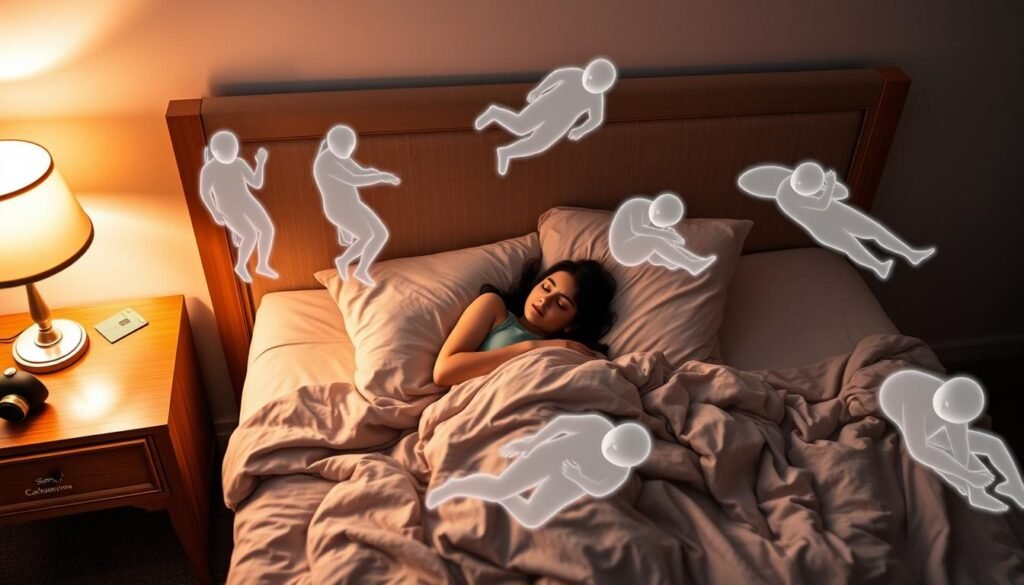
Your health needs can greatly influence how you should rest at night. Customizing your posture ensures better alignment and reduces discomfort. Whether you’re pregnant or managing back pain, small adjustments can make a big difference.
Considerations for Pregnancy and Supporting a Growing Belly
During pregnancy, your body undergoes significant changes. Proper alignment is crucial to support your growing belly and maintain comfort. Side sleeping, especially on the left side, is often recommended. It improves blood flow and reduces pressure on your hip and spine.
Using a pillow between your legs can help keep your hips aligned. A full-length body pillow can also provide additional support for your belly and back. These adjustments ensure you rest comfortably while protecting your body.
Managing Lower Back Pain and Support Strategies
Lower back pain can disrupt your rest and daily life. Proper support during sleep can alleviate discomfort and promote healing. Side sleeping with a pillow between your knees helps maintain spinal alignment and reduces strain on your hip.
If you prefer resting on your back, placing a pillow under your knees can ease pressure on your lower back. For those with chronic pain, a medium-firm mattress provides the right balance of support and comfort.
| Position | Benefit | Support Tip |
|---|---|---|
| Side Sleeping | Reduces hip and spine pressure | Use a pillow between legs |
| Back Sleeping | Maintains spinal alignment | Place a pillow under knees |
| Supported Stomach Sleeping | Minimizes neck strain | Use a thin pillow under hips |
By tailoring your rest position to your health needs, you can improve your comfort and overall well-being. Small changes, like adjusting your pillow placement, can lead to better rest and reduced pain.
Exploring Alternative Sleeping Postures

Ever wondered if your nightly posture could be affecting your health? Beyond the common back and side placements, there are several alternative postures that might improve your rest. These positions can influence your flexibility, spinal alignment, and overall comfort.
The Fetal Position and Its Long-Term Effects
The fetal position is one of the most popular postures, especially among those who prefer resting on their side. Curling up with your knees drawn toward your chest can feel comforting. However, this position may reduce flexibility over time and strain your neck and back if not supported properly.
Research suggests that while the fetal position can ease pressure on your lower back, it may also restrict breathing. To minimize risks, try keeping your body slightly less curled and use a supportive pillow for your head and neck.
Other Variations: Spoon, Soldier, and More
Other postures, like spooning or the soldier position, offer unique benefits. Spooning, often used by couples, involves lying on your side with your partner close behind. This can enhance comfort and emotional connection but may require adjustments to avoid misalignment.
The soldier position, where you lie flat on your back with arms at your sides, promotes spinal alignment. However, it may not be ideal for those with sleep apnea or sleeping stomach tendencies. Experimenting with these postures can help you find what works best for your body.
- The fetal position can feel comforting but may reduce flexibility.
- Spooning enhances closeness but requires proper alignment.
- The soldier position supports the spine but may not suit everyone.
For more insights on optimizing your rest, explore sleeping positions tailored to your needs. Small changes in your posture can lead to better rest and improved health.
Creating an Ideal Sleep Environment

The quality of your sleep environment can significantly impact how well you rest and recover each night. A well-curated setting ensures your body can relax fully, supporting muscle recovery and overall health. From the mattress you choose to the temperature of your room, every detail matters.
Choosing the Right Mattress, Pillow, and Bedding
Your mattress plays a crucial role in maintaining proper alignment and reducing strain on your muscles. A medium-firm mattress is often recommended for optimal support. Experts suggest replacing your mattress every seven years to ensure it remains effective.
Pillows are equally important. The right pillow keeps your neck and spine aligned, preventing discomfort. For side sleepers, a thicker pillow can help maintain proper posture. Back sleepers may benefit from a thinner, supportive option.
Bedding also contributes to your comfort. Choose breathable fabrics like cotton or linen to regulate body temperature. Keeping your room between 60 to 67 degrees Fahrenheit can enhance your ability to rest well throughout the night.
Room Conditions and Routine for Better Rest
Your sleep environment extends beyond your bed. A dark, quiet room promotes deeper rest. Consider blackout curtains or a white noise machine to minimize disruptions. Aromatherapy, such as lavender or chamomile, can also enhance relaxation.
Establishing a consistent routine is key. Going to bed and waking up at the same time each day helps regulate your internal clock. Avoid eating two to three hours before bedtime to prevent disruptions in your sleep cycle.
| Mattress Type | Benefit | Ideal For |
|---|---|---|
| Memory Foam | Conforms to body shape | Pressure relief |
| Innerspring | Firm support | Back sleepers |
| Hybrid | Combines foam and springs | Versatile support |
By creating an ideal sleep environment, you can improve your rest and overall well-being. Small changes, like adjusting your bedding or room temperature, can make a big difference. Prioritize your sleep setting to wake up feeling refreshed and ready for the day.
Conclusion
Your nightly habits can shape how you feel each morning. Adopting the right posture improves quality rest, supports spinal alignment, and reduces discomfort. On the other hand, poor alignment can lead to chronic pain and other health risks.
For example, sleeping back promotes proper spinal alignment, while stomach resting can strain your neck and back. It’s essential to assess your habits and make adjustments tailored to your unique need.
Every case is different, so finding the right method is crucial. Small changes, like using supportive pillows or adjusting your posture, can make a big difference. Prioritize your care to ensure better rest and overall health.
Take the time to evaluate your routine and integrate evidence-based practices. Your body will thank you for the improved quality of rest and the long-term benefits it brings.
FAQ
Why is sleep posture important for your health?
Proper sleep posture helps maintain spinal alignment, reduces pressure on key areas, and prevents discomfort or chronic pain. It also supports muscle relaxation and improves overall rest quality.
How can sleep quality affect your daily well-being?
Good sleep quality enhances energy levels, focus, and mood. Poor rest can lead to fatigue, irritability, and even long-term health issues like chronic pain or stress.
What are the best positions to support your spine?
Sleeping on your back or side with proper pillow support can help maintain natural spinal curvature. These positions reduce pressure on your lower back and neck.
What are common pitfalls to avoid in sleep positions?
Avoid sleeping on your stomach, as it can strain your neck and spine. Also, ensure your pillow and mattress provide adequate support to prevent misalignment.
How can the best sleep positions relieve lower back pain?
Positions like side sleeping with a pillow between your knees or lying on your back with a pillow under your knees can reduce pressure on your lower back and improve comfort.
What risks are associated with poor sleep positions?
Poor positions can increase pressure on organs, cause nerve injury, and lead to chronic pain or discomfort. They may also disrupt your rest quality over time.
How can you tailor sleep positions during pregnancy?
Side sleeping, particularly the left side, is recommended during pregnancy. Use pillows to support your belly and knees for added comfort and spinal alignment.
What are the long-term effects of the fetal position?
While the fetal position can feel comfortable, it may limit breathing and cause spinal misalignment over time. Use a supportive pillow to minimize these effects.
How do you choose the right mattress and pillow?
Select a mattress that supports your body’s natural curves and a pillow that keeps your head aligned with your spine. Firmness and material should match your comfort needs.
Source Links
- The Best Sleeping Position For Your Digestion – Bio-K+
- Dealing with Toddler Sleep Regressions: Tips from a Sleep Consultant | Mumsnet
- The Best (and Worst) Sleeping Position for Sleep Apnea
- Best Mattress for Side Sleepers (2025) | Tested by Our Experts
- Why You Should Never Sleep on Your Right Side
- Best Mattresses for Couples (2025) | Mattress Clarity
- PlushBeds® Latex Mattress Blog | Healthy & Sustainable Sleep
- Say goodnight to aches and pains with the best pillows for neck pain
- Best Mattress for Migraines of 2025 – eachnight
- 10 Things That Make TMJ Worse
- The Very Best Pillows For Stomach Sleepers, According To Experts
- Sleep
- Are you a side sleeper? Experts share ways to get the best support
- Best Mattress for Side Sleepers
- The Best Mattress for Back Pain: Our Expert Picks
- The Best Sleep Headphones
- 50 Easy Ways to Sleep Better
- No title found
- The Best and Worst Sleep Positions: How to Optimize Your Rest for Better Health
- What is the Best Sleep Position: Stomach, Back, or Side? – Amerisleep
- The Best And Worst Sleeping Positions For Back Pain | Kindspine Chiropractic Center