
Imagine waking up in the middle of the night, drenched in sweat, your heart racing. You glance at the clock—3 a.m. again. This isn’t just a bad dream; it’s a reality for many women experiencing hormonal changes. These shifts can disrupt your rest, leaving you exhausted and frustrated.
Hormonal fluctuations, especially during certain life stages, can lead to symptoms like hot flashes and night sweats. These symptoms often strike at night, making it hard to stay asleep. Studies show that up to 85% of women face these challenges, which can last for years.
Understanding these changes is the first step to reclaiming your sleep quality. This guide will explore the connection between hormonal shifts and sleep disturbances. You’ll also discover practical tips to improve your rest and feel more like yourself again.
Key Takeaways
- Hormonal changes can lead to frequent nighttime awakenings.
- Hot flashes and night sweats are common symptoms affecting sleep.
- Up to 85% of women experience these challenges during certain life stages.
- Sleep disorders like sleep apnea may become more prevalent.
- Establishing a consistent sleep routine can help improve rest.
- Regular exercise and alternative therapies may offer relief.
- Understanding these changes is key to finding effective solutions.
Understanding the Menopausal Transition and Its Impact on Sleep
The journey through hormonal changes often starts long before you notice significant symptoms. This phase, known as the menopausal transition, can begin years before your final menstrual period. During this time, your body undergoes shifts that directly influence your rest patterns.
Hormonal Changes and Sleep Patterns
Declining levels of estrogen and progesterone play a key role in how you rest. These hormones regulate neurotransmitters like serotonin and GABA, which are essential for maintaining a healthy sleep cycle. When these levels drop, it can lead to frequent awakenings and difficulty staying asleep.
Research shows that hormonal fluctuations not only reduce the quantity of rest but also its quality. You may find yourself waking up feeling unrefreshed, even after a full night in bed.
Stages of Menopause and Sleep Disruptions
The menopausal transition is divided into three stages: perimenopause, menopause, and postmenopause. Each stage brings its own set of challenges:
- Perimenopause: This phase can last several years and is marked by irregular periods and early symptoms like night sweats.
- Menopause: Defined as 12 months without a period, this stage often sees an increase in sleep disturbances.
- Postmenopause: While some symptoms may ease, others, like insomnia, can persist.
Understanding these stages helps you identify the root cause of your rest issues. By recognizing the patterns, you can take proactive steps to improve your well-being.
Menopause Affects Sleep: Key Research and Findings
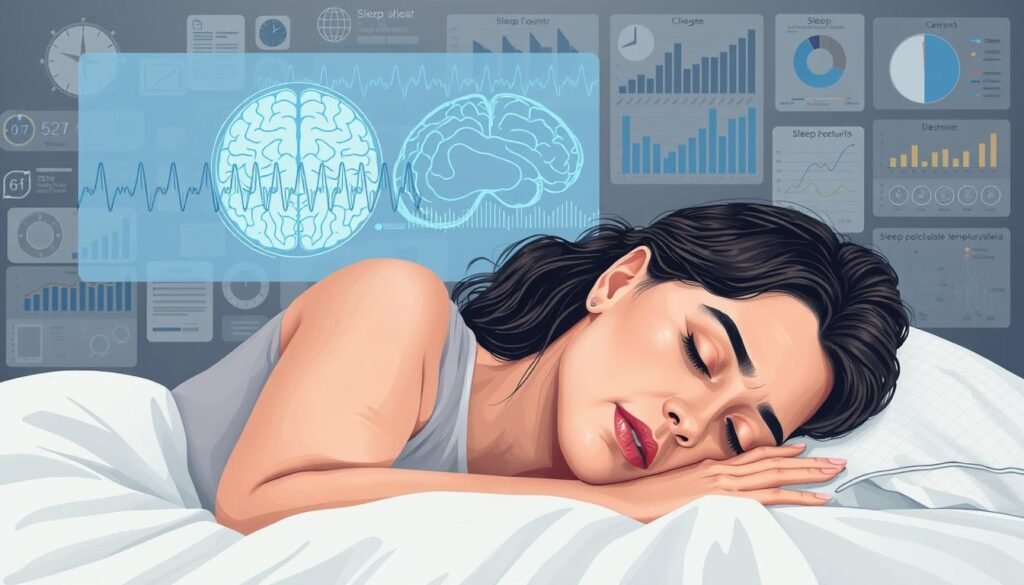
Research sheds light on how hormonal shifts disrupt rest during certain life stages. Studies like the SWAN (Study of Women’s Health Across the Nation) provide valuable insights into these changes. By understanding the data, you can better address the challenges you’re facing.
SWAN Study Insights
The SWAN study tracked women aged 40–55 to understand how hormonal changes impact rest. It found that 37% of participants reported difficulty sleeping. This highlights how common these issues are during this phase.
Key findings from the study include:
- Sleep disturbances increase as hormonal levels decline.
- Night sweats and hot flashes are major contributors to rest disruptions.
- Psychological distress often accompanies these symptoms, further affecting sleep quality.
Perspectives from UpToDate and Mayo Clinic
Experts from UpToDate and the Mayo Clinic emphasize the importance of addressing these symptoms early. They note that hormonal fluctuations can lead to conditions like insomnia and sleep apnea. These issues are not just temporary but can persist for years.
Research-backed strategies, such as cognitive behavioral therapy (CBT-I), have shown promise in improving rest quality. Understanding these findings can help you tailor solutions to your unique needs.
Common Sleep Disorders During Menopause

Restful nights can become elusive during certain hormonal transitions. Many women experience specific conditions that disrupt their ability to fall or stay asleep. Understanding these disorders is the first step toward finding relief.
Insomnia, Sleep Apnea, and Restless Legs Syndrome
Insomnia is one of the most common challenges during this phase. You may find it hard to fall asleep or wake up frequently throughout the night. Studies show that up to 26% of women face this issue, with difficulty staying asleep being the most reported symptom.
Sleep apnea, another prevalent condition, involves pauses in breathing during rest. This can lead to frequent awakenings and daytime fatigue. Restless legs syndrome (RLS) also affects many women, causing an uncontrollable urge to move your legs, especially at night.
How Night Sweats Disrupt Your Sleep
Night sweats are a major contributor to sleep disturbances. These sudden episodes of intense heat can wake you up, leaving you drenched and uncomfortable. Research indicates that up to 85% of women experience this symptom, which can last for years.
These disruptions not only reduce the quantity of rest but also its quality. Over time, they can lead to chronic fatigue and other health issues. Addressing these challenges early can help you reclaim your nights.
For more insights into sleep disturbances during hormonal transitions, refer to this study.
The Role of Hot Flashes and Night Sweats on Your Sleep Quality

Waking up drenched in sweat can feel like a nightly battle. Hot flashes and night sweats are more than just uncomfortable—they disrupt your ability to stay asleep. These sudden temperature shifts are linked to hormonal changes that affect your body’s internal thermostat.
During a hot flash, your blood vessels dilate, causing a surge of heat. This can wake you up, even if the episode lasts only a few seconds. Over time, these interruptions can lead to insomnia, making it harder to fall back asleep.
Research shows that up to 85% of women experience these symptoms. They can last for years, significantly impacting your overall health. The constant awakenings reduce the quality of your rest, leaving you feeling tired and irritable during the day.
Understanding the physiological mechanisms behind these symptoms is key. By addressing them early, you can take steps to improve your rest and reclaim your nights. Simple changes, like adjusting your room temperature or wearing breathable fabrics, can make a big difference.
Expert-backed strategies emphasize the importance of managing these symptoms. Whether through lifestyle adjustments or medical interventions, finding the right solution can help you sleep better and feel more like yourself again.
The Impact of Hormonal Fluctuations on Sleep Architecture
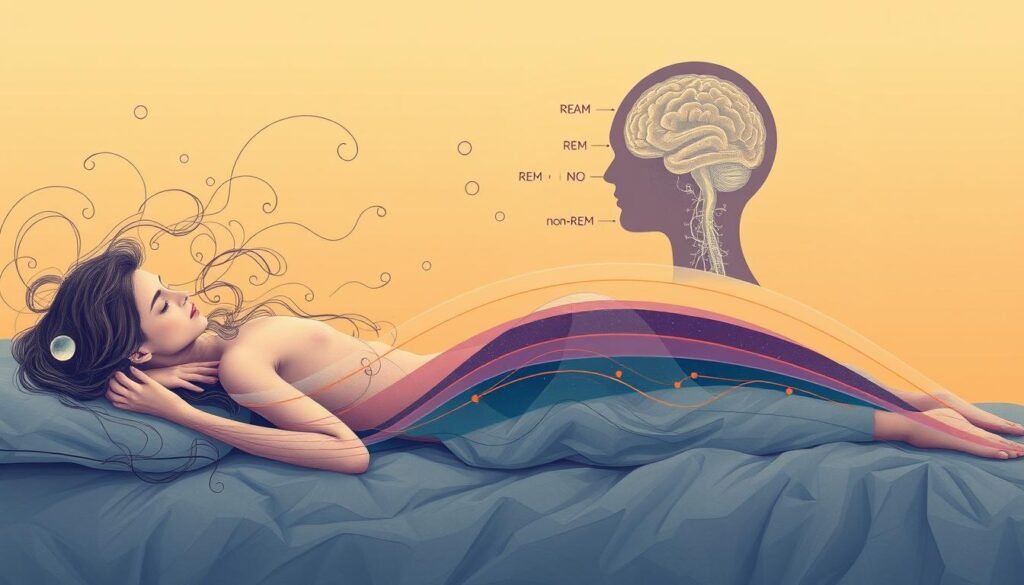
Your body’s internal clock relies on a delicate balance of hormones to regulate rest. When this balance shifts, it can alter the way you move through sleep stages. These changes can affect your overall health and leave you feeling tired during the day.
Understanding how hormonal fluctuations influence your rest is key to improving your quality of life. This section dives into the science behind these shifts and their effects on your nightly routine.
Effects of Declining Estrogen and Progesterone
Estrogen and progesterone play a critical role in maintaining your sleep cycles. As these hormone levels decline, your body’s ability to transition smoothly between sleep stages is disrupted. This can lead to lighter, less restorative rest.
Research shows that these hormonal changes affect both REM (rapid eye movement) and non-REM sleep. You may spend less time in deep sleep, which is essential for physical recovery and mental clarity.
Here’s a breakdown of how these hormones influence your rest:
| Hormone | Role in Sleep | Impact of Decline |
|---|---|---|
| Estrogen | Promotes deep sleep and regulates body temperature | Reduced deep sleep, increased night sweats |
| Progesterone | Supports relaxation and reduces anxiety | Difficulty falling asleep, increased restlessness |
These shifts can also affect your circadian rhythm, the internal clock that tells your body when to sleep and wake. When your hormones are out of balance, your body may struggle to maintain a consistent sleep schedule.
Daytime fatigue and mood swings are common side effects of these disruptions. By understanding the connection between hormonal changes and sleep architecture, you can take steps to improve your rest and overall health.
Lifestyle Influences on Sleep During Menopause
Small changes in your daily habits can make a big difference in how well you rest. During hormonal transitions, factors like stress, diet, and exercise play a significant role in your ability to stay asleep. By making thoughtful adjustments, you can improve your rest and feel more energized.
Stress, Diet, and Exercise Considerations
Stress is a major contributor to rest disruptions. Practices like yoga, meditation, or deep breathing can help calm your mind and prepare your body for rest. Even 10 minutes of mindfulness daily can have a positive effect.
Your diet also plays a role. Avoid heavy meals, caffeine, and alcohol close to bedtime. Instead, opt for light snacks like bananas or almonds, which contain nutrients that support relaxation.
Regular exercise is another key factor. Activities like walking, swimming, or yoga can reduce stress and improve your overall health. Aim for at least 30 minutes of moderate activity most days of the week.
Optimizing Your Sleep Environment
Your bedroom setup can significantly impact your rest quality. Keep your room cool, dark, and quiet to minimize disruptions. Consider using blackout curtains or a white noise machine if needed.
Here are some additional tips to create a sleep-conducive environment:
- Use breathable bedding to reduce discomfort from night sweats.
- Maintain a consistent sleep schedule, even on weekends.
- Limit screen time before bed to avoid blue light exposure.
These small changes can help you manage symptoms and improve your overall quality of life. Experiment with different strategies to find what works best for you.
Behavioral and Cognitive Interventions for Better Sleep

Behavioral strategies can transform your nightly routine for the better. When rest becomes a challenge, cognitive interventions offer a path to reclaiming your quality of life. These approaches focus on reshaping habits and thought patterns to help you sleep more soundly.
Cognitive Behavioral Therapy for Insomnia (CBT-I)
Cognitive Behavioral Therapy for Insomnia (CBT-I) is a proven method to improve sleep. This approach addresses the root causes of rest disruptions, such as stress or negative thought patterns. Unlike medication, CBT-I provides long-term solutions without side effects.
Research shows that CBT-I can reduce the trouble of falling asleep and staying asleep. It works by teaching you techniques to manage anxiety and establish a consistent sleep schedule. Over time, these practices can lead to lasting improvements in your rest patterns.
“CBT-I is one of the most effective non-pharmacological treatments for chronic insomnia, offering sustainable results.”
Here’s a breakdown of how CBT-I works:
| Technique | Purpose | Outcome |
|---|---|---|
| Sleep Restriction | Limit time in bed to match actual sleep time | Improves sleep efficiency |
| Stimulus Control | Associate bed only with sleep | Reduces anxiety about rest |
| Cognitive Restructuring | Challenge negative thoughts about sleep | Promotes relaxation |
For more insights into behavioral interventions, refer to this study on non-pharmacological treatments for sleep disruptions.
Implementing Sleep Hygiene Practices
Improving your rest also involves adopting healthy sleep hygiene practices. These small changes can make a big difference in your quality of life. Start by creating a calming bedtime routine and optimizing your sleep environment.
- Keep your bedroom cool and dark to minimize disruptions.
- Avoid caffeine and heavy meals close to bedtime.
- Establish a consistent sleep schedule, even on weekends.
By integrating these strategies into your daily routine, you can reduce trouble and enjoy more restful nights. Behavioral and cognitive interventions offer a natural way to improve sleep and enhance your overall well-being.
Medical Treatments and Hormone Therapy Options

Navigating the challenges of hormonal changes often requires more than just lifestyle adjustments. For many women, medical treatments and hormone therapy can provide significant relief. These options are tailored to address specific symptoms and improve overall well-being.
Benefits of Menopausal Hormone Therapy (MHT)
Menopausal Hormone Therapy (MHT) is a widely used treatment to alleviate symptoms like hot flashes and night sweats. By replenishing declining hormone levels, MHT can help restore balance and improve your ability to stay asleep throughout the night.
Research shows that MHT can significantly reduce the frequency and intensity of symptoms. For example, a 2018 study found that women using low-dose hormone replacement therapy saw marked improvements in their rest patterns over four years.
“MHT offers a personalized approach to managing symptoms, helping women regain their quality of life.”
Here’s how MHT can benefit you:
- Reduces night sweats and hot flashes, allowing for uninterrupted rest.
- Improves overall sleep quality, helping you wake up feeling refreshed.
- Supports emotional well-being by stabilizing mood swings.
Medication and Supplementation Strategies
If MHT isn’t suitable for you, other medications and supplements can help. Antidepressants like venlafaxine and escitalopram have shown effectiveness in reducing hot flashes and improving rest. Similarly, epilepsy medications such as gabapentin can provide relief for up to 70% of women.
Supplements like melatonin or magnesium may also support better rest. Always consult your healthcare provider to determine the best approach for your unique needs.
Here’s a quick overview of options:
| Treatment | Purpose | Effectiveness |
|---|---|---|
| Antidepressants | Reduce hot flashes and improve mood | Effective for 70% of women |
| Epilepsy Medications | Alleviate night sweats and flushes | Helps 70% of women |
| Melatonin | Regulates sleep-wake cycles | Supports better rest |
By exploring these options, you can find a treatment plan that works for you. Remember, every woman’s experience is unique, so personalized care is key to achieving the best results.
How Aging and Life Changes Compound Sleep Challenges
As you age, your body undergoes natural changes that can impact your rest, even beyond hormonal shifts. These age-related adjustments, combined with evolving life circumstances, create a unique set of challenges for many women. Understanding these factors is key to finding effective solutions.
Aging itself can lead to lighter, more fragmented rest. Your body’s internal clock may shift, making it harder to fall asleep or stay asleep through the night. This is often independent of hormonal changes but can worsen when combined with them.
Life events also play a significant role. Changes in social roles, such as caring for aging parents or navigating career transitions, can increase stress levels. This added pressure often contributes to sleep problems, making it harder to unwind at night.
For women experiencing menopausal transitions, these challenges are compounded. Hormonal fluctuations can amplify age-related rest disruptions, creating a cycle of fatigue and frustration. Addressing both factors is essential for improving your overall well-being.
Here are some strategies to manage these challenges:
- Establish a consistent bedtime routine to signal your body it’s time to rest.
- Practice stress-reducing techniques like mindfulness or yoga to calm your mind.
- Consider cognitive behavioral therapy to address persistent sleep problems.
By taking a multifaceted approach, you can better navigate the combined effects of aging and life changes. Small adjustments can make a big difference in reclaiming your rest and improving your quality of life.
Understanding Research and Studies on Menopause and Sleep
Scientific research has uncovered significant insights into how hormonal changes impact rest during the menopausal transition. These studies provide a foundation for understanding the challenges many women face and offer evidence-based solutions to improve sleep quality.
Key Studies You Should Know
One of the most influential studies is the SWAN (Study of Women’s Health Across the Nation). This research tracked women aged 40–55 to understand how hormonal shifts affect rest patterns. Key findings include:
- 37% of participants reported difficulty sleeping during the menopausal transition.
- Night sweats and hot flashes were major contributors to sleep disruptions.
- Psychological distress often accompanied these symptoms, further reducing rest quality.
Another notable study from 2018 found that low-dose hormone replacement therapy (HRT) improved sleep quality over four years. These findings highlight the importance of addressing symptoms early to achieve better outcomes.
Interpreting Research Findings
Understanding the data from these studies can help you make informed decisions about your health. For example, research shows that vasomotor symptoms like hot flashes can last for years, significantly impacting rest. By recognizing these patterns, you can take proactive steps to manage your symptoms.
Here’s a breakdown of how research findings can guide your approach:
| Study | Key Insight | Practical Application |
|---|---|---|
| SWAN | Hormonal changes increase sleep disturbances | Focus on managing night sweats and hot flashes |
| 2018 HRT Study | Low-dose HRT improves sleep quality | Consider hormone therapy with your doctor |
| Women’s Health Initiative | HRT risks vary by age and health | Evaluate personalized treatment options |
“Research provides the evidence we need to develop effective strategies for managing sleep disruptions during the menopausal transition.”
By connecting research evidence with your personal experiences, you can find solutions that work for you. Whether through lifestyle changes or medical treatments, understanding the science behind these challenges is the first step toward better rest.
Integrating Sleep Solutions Into Your Menopausal Journey
Creating a personalized approach to rest can make all the difference during this phase of life. Every woman’s experience is unique, and so should be her strategy for improving rest. By combining medical, behavioral, and lifestyle changes, you can address your specific challenges and reclaim your nights.
Developing Personalized Sleep Habits
Tailoring your nightly routine to your unique needs is essential. Start by identifying the factors that disrupt your rest. Is it night sweats, stress, or an inconsistent schedule? Once you pinpoint the problem, you can craft a plan that works for you.
Here are some practical steps to consider:
- Establish a regular sleep schedule: Go to bed and wake up at the same time every day, even on weekends.
- Optimize your sleep environment: Keep your room cool, dark, and quiet. Use breathable bedding to reduce discomfort.
- Track your symptoms: Monitor patterns over time to identify triggers and adjust your practices accordingly.
Research shows that personalized interventions are more effective in the long term. For example, studies highlight the benefits of magnesium supplementation for relaxation and better rest. Incorporating such strategies can help you navigate this transition more smoothly.
Combining Strategies for Lasting Results
Addressing rest disruptions often requires a multifaceted approach. Behavioral techniques like cognitive behavioral therapy (CBT-I) can reshape negative thought patterns. Lifestyle changes, such as regular exercise and a balanced diet, also play a crucial role.
Here’s a breakdown of how to integrate these strategies:
| Strategy | Purpose | Outcome |
|---|---|---|
| Medical Treatments | Address hormonal imbalances | Reduce night sweats and hot flashes |
| Behavioral Techniques | Reshape sleep habits | Improve sleep efficiency |
| Lifestyle Adjustments | Promote overall well-being | Enhance rest quality |
By combining these approaches, you can create a comprehensive plan that evolves with your needs. Over the years, monitoring and adjusting your practices will ensure lasting improvements in your rest and overall quality of life.
Conclusion
Navigating midlife can bring unique challenges, especially when it comes to rest. Hormonal shifts, stress, and aging often interfere with your ability to stay asleep, leaving you feeling tired and frustrated. However, understanding these changes is the first step toward reclaiming your nights.
Throughout this guide, we’ve explored effective strategies to improve your rest. Combining lifestyle adjustments, cognitive behavioral techniques, and medical treatments can address the root causes of disruptions. For example, managing stress through mindfulness or optimizing your sleep environment can make a significant difference.
Remember, every woman’s experience is unique. By tracking your symptoms and seeking personalized advice, you can develop a plan that works for you. While challenges exist, actionable solutions are within reach. Take the first step today to improve your rest and enhance your overall well-being.
FAQ
How do hormonal changes during menopause affect sleep?
Hormonal shifts, particularly in estrogen and progesterone levels, can disrupt your sleep patterns. These changes often lead to trouble falling asleep, staying asleep, or waking up frequently during the night.
What are the most common sleep disorders during this stage of life?
Insomnia, sleep apnea, and restless legs syndrome are frequently reported. Night sweats and hot flashes also play a significant role in interrupting your rest.
Can lifestyle changes improve sleep quality during menopause?
Yes, adjusting your diet, managing stress, and creating a comfortable sleep environment can help. Regular exercise and avoiding caffeine or alcohol before bed may also improve your rest.
What is cognitive behavioral therapy for insomnia (CBT-I)?
CBT-I is a structured program that helps you identify and change thoughts and behaviors that interfere with sleep. It’s a proven method for addressing sleep problems without medication.
Is hormone therapy effective for improving sleep during menopause?
Menopausal hormone therapy (MHT) can help alleviate symptoms like hot flashes and night sweats, which may improve sleep quality. However, it’s essential to discuss the risks and benefits with your healthcare provider.
How do hot flashes and night sweats disrupt sleep?
These symptoms can cause sudden awakenings, making it hard to fall back asleep. They often lead to fragmented sleep and reduced overall sleep quality.
What role does stress play in sleep during menopause?
Stress can worsen sleep issues by increasing anxiety and making it harder to relax. Managing stress through mindfulness, therapy, or relaxation techniques can help improve your rest.
Are there medications or supplements that can help with sleep during this time?
Some medications and supplements, like melatonin or prescription sleep aids, may be helpful. Always consult your doctor before starting any new treatment.
How does aging impact sleep during menopause?
Aging can naturally alter sleep patterns, making it harder to fall asleep or stay asleep. Combined with hormonal changes, this can lead to more significant sleep challenges.
What are some key studies on menopause and sleep?
The SWAN Study and research from institutions like the Mayo Clinic provide valuable insights into how this life stage affects rest and what treatments may help.
Source Links
- Menopause and Sleep: Simple Tips for Better Rest
- Sleep and Menopause
- Menopause and Sleep: Simple Tips for Better Rest
- Treatments for Menopause Symptoms: What to Know
- Sleep Disturbance and Perimenopause: A Narrative Review
- Menopause and Sleep: Simple Tips for Better Rest
- Menopause and Sleep: Simple Tips for Better Rest
- Best Mattress for Menopause
- 5 Reasons You Can’t Fall Asleep Even Though You’re Tired
- Menopause and Sleep: Simple Tips for Better Rest
- 7 Ways To Stop Night Sweats and Get Better Sleep
- Women's Health News
- How Stress Hormones Affect Your Rest
- Menopause and Sleep: Simple Tips for Better Rest
- Does Menopause Make You Tired? A Guide to Symptoms
- How Do I Beat Menopause Depression With Women’s Therapy? — Anchor Therapy, LLC
- Navigating Perimenopause: Understanding the Transition and Effective Management – Therapeutic Partners
- Menopause and Sleep: Simple Tips for Better Rest
- Non-hormonal treatment options for menopausal symptoms
- Menopause and mental health – Australasian Menopause Society
- Improving the Management of Menopausal Symptoms in Perimenopausal and Early Postmenopausal Women: A Systematic Review
- Menopause and Sleep: Simple Tips for Better Rest
- Types of Menopause
- Validation of the menopause representation questionnaire (MenoSentations-Q) among Iranian women and cross-cultural comparison with Portuguese women – BMC Women’s Health
- Nemacki HRT Alternatives for Menopause: Non Hormonal Options
- The 5 Best Supplements for Menopause – culinahealth.com
- NAD+ and Menopause: Battling Fatigue, Brain Fog, and Aging
- Association between sleep quality and premenstrual syndrome in young women in a cross-sectional study – Scientific Reports
- The Best Ways to Handle Menopause: Smooth Transition Tips