Updated November 3, 2026
Quick answer: Do not rely on “hypoallergenic” alone. Identify whether the concern is dust mites, contact irritation, fragrance or dye, moisture, friction, fill escape or a confirmed allergy, then choose washable layers and a documented barrier strategy.
Original product and context images
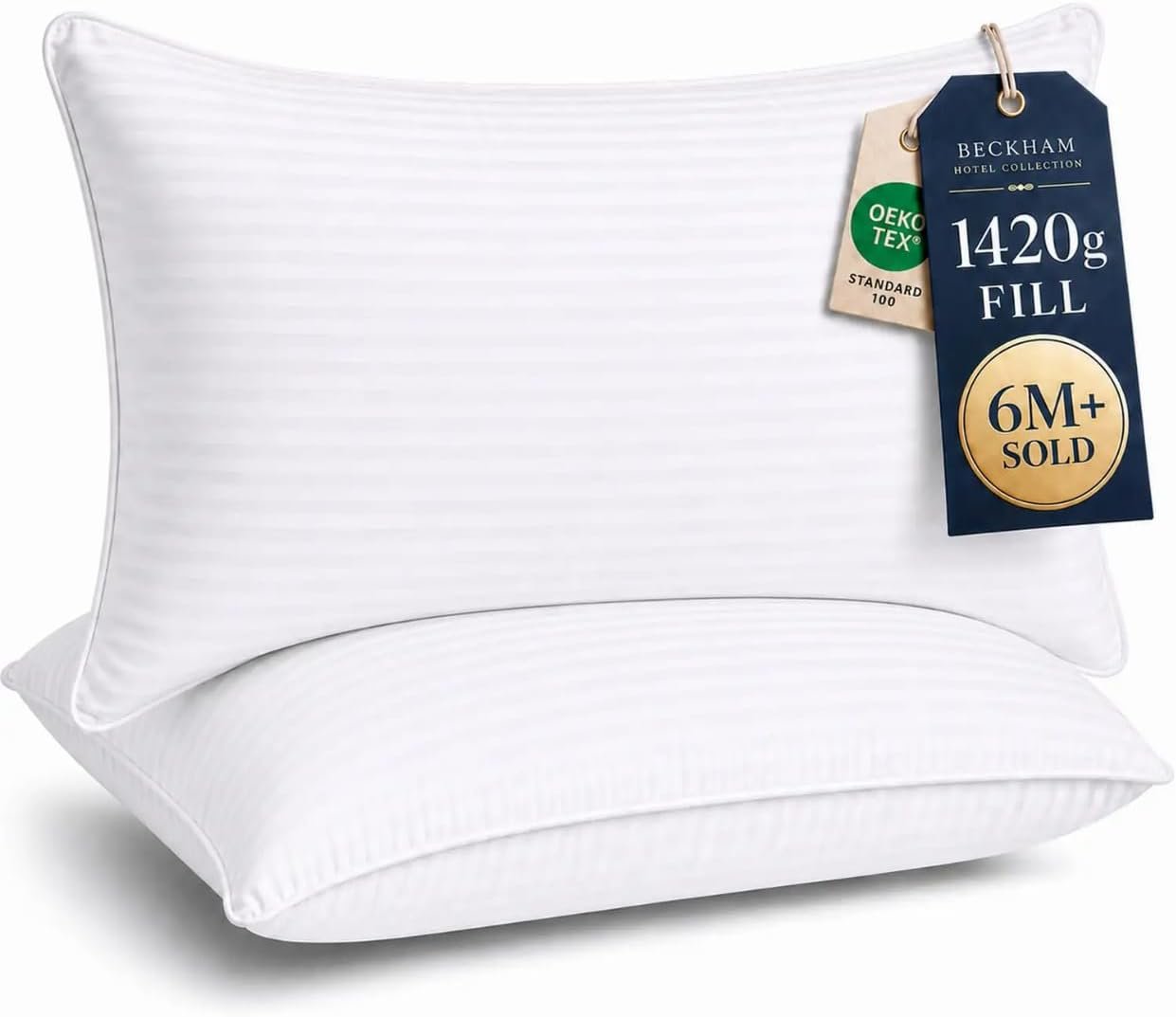
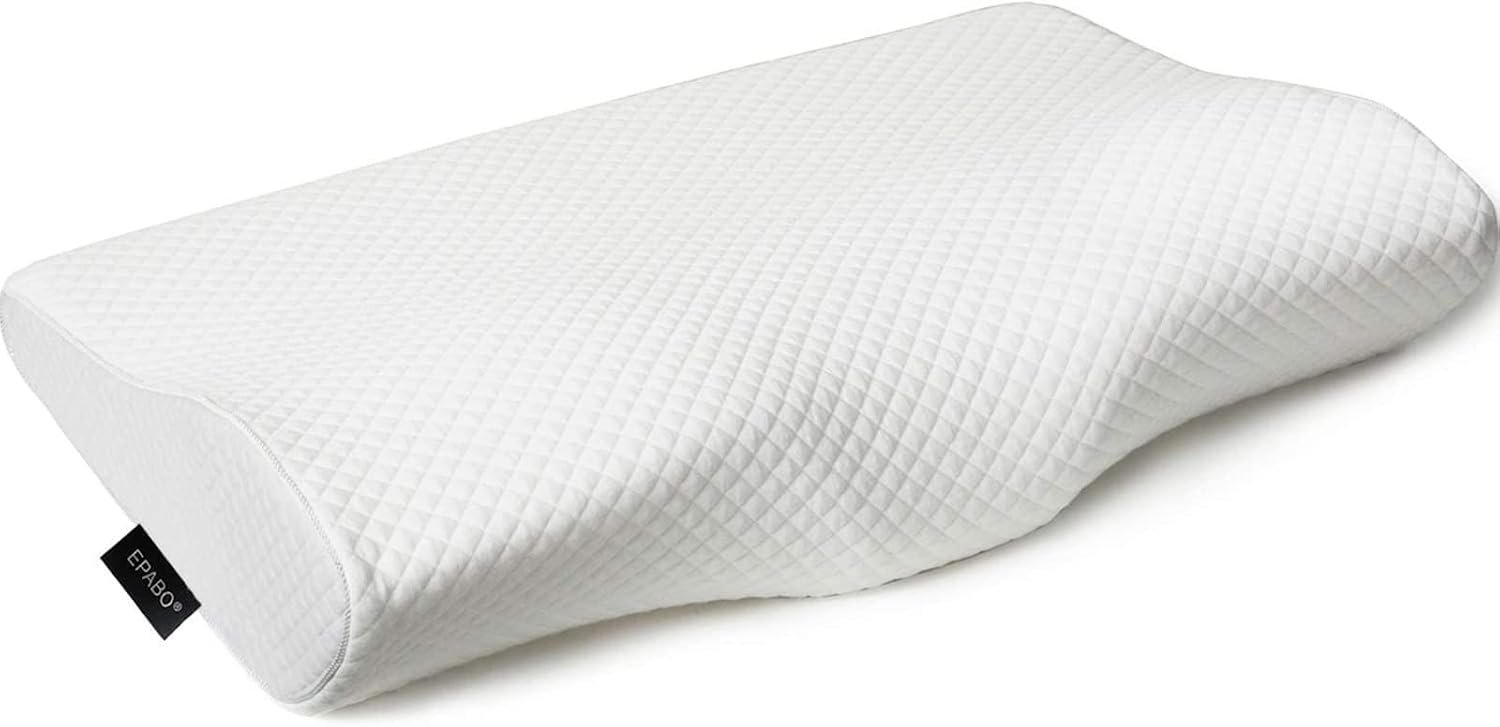
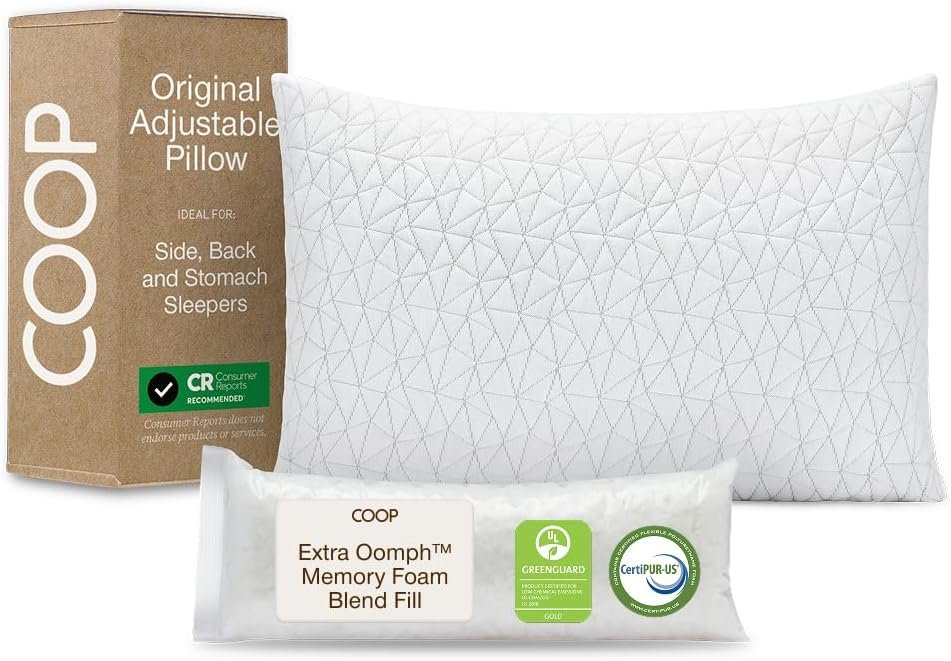
Existing first-party site images are retained for construction context and product identification. Packaging and specifications may change.
What does “hypoallergenic pillow” prove?
It does not prove that no one will react. The term may refer to fill, cover or marketing criteria, while symptoms can come from dust, mites, fragrance, dye, finishes, detergent, moisture or friction.
Which cover details matter for sensitive skin?
Look for a smooth washable contact surface, covered seams, secure zippers and clear fiber disclosure. A stiff waterproof layer or rough seam can create friction even when the fill never touches skin.
Use a regular washable pillowcase over protectors or encasements and inspect every layer for damage.
What should people with dust-mite allergy consider?
EPA-supported asthma guidance treats impermeable pillow and mattress covers as part of a multicomponent, allergen-specific plan—not a universal single solution.
For confirmed dust-mite concerns, the plan may also include washable bedding, complete drying, cleaning and relative humidity management.
What should fragrance- or dye-sensitive shoppers check?
The American Academy of Dermatology recommends fragrance-free products for people concerned about fragrance contact dermatitis and notes that “unscented” can still contain masking fragrance.
When the label permits, wash new removable fabric before first use with a known tolerated detergent. Do not add perfume sprays or essential oils to the pillow.
Source: American Academy of Dermatology contact-dermatitis guidance.
How should a sensitive-skin pillow be evaluated?
Review the complete contact system: pillowcase, protector, cover, seams, fill containment, detergent, wash instructions and return policy. Change one exposure at a time when practical.
Keep a brief symptom and exposure log. It can help a clinician evaluate timing without assuming the pillow is the only cause.
Which buying priority fits the concern?
Use the concern to choose the first evidence check, not a marketing badge.
What is the main concern?
Frequently asked questions
Is natural fill safer for allergies?
No category is universally safer. Individual sensitization, barriers, cleaning and moisture all matter.
Is “unscented” the same as fragrance-free?
No. Unscented products may use fragrance to mask another odor.
Should every person with asthma buy an encasement?
Current guidance supports targeted multicomponent mitigation when exposure and symptoms or sensitization are relevant.
When is a rash urgent?
Seek urgent help for breathing difficulty, facial swelling, widespread hives, blistering, severe pain or rapidly worsening symptoms.