
Have you ever wondered why some people swear by sleeping without clothes? It turns out, there’s solid science behind this practice. Research shows that regulating your body temperature can significantly impact your rest. When your core temperature drops, it signals your body to prepare for sleep, leading to deeper and more restorative rest.
Studies highlight that cooler environments, ideally between 60–67°F, are optimal for quality sleep. Sleeping without clothing helps maintain this balance, allowing your body to cool naturally. This can reduce wakefulness and improve sleep onset, helping you fall asleep faster.
Beyond better sleep, this habit offers additional health benefits. It can reduce stress, improve skin health, and even enhance intimacy in relationships. Experts also suggest it may boost metabolism, aiding in weight management. With so many advantages, it’s no wonder more people are embracing this simple yet effective practice.
In the following sections, we’ll dive deeper into how your sleep environment and body temperature influence rest. Plus, we’ll share practical tips to make the transition easier. Ready to unlock the secrets to a more restful night? Let’s explore the science behind sleeping without clothes.
Key Takeaways
- Regulating body temperature improves sleep quality.
- Cooler environments (60–67°F) are ideal for rest.
- Sleeping without clothing can reduce stress and improve skin health.
- This practice may enhance intimacy and boost metabolism.
- Studies show it helps you fall asleep faster and sleep deeper.
Understanding Your Sleep Environment
Your sleep environment plays a crucial role in how well you rest at night. From the temperature of your room to the quality of your bedding, every detail can influence your ability to fall asleep faster and stay asleep longer. Creating an ideal space for rest is more than just comfort—it’s about aligning your surroundings with your body’s natural rhythms.
Creating a Cool Bedroom Atmosphere
Keeping your bedroom cool is one of the most effective ways to improve sleep quality. Research shows that a room temperature between 66–70°F is optimal for rest. When your body is exposed to cooler air, it helps lower your core temperature, signaling that it’s time to sleep. This process is closely tied to your circadian rhythm, the internal clock that regulates sleep and wake cycles.
To create a cool atmosphere, consider these tips:
- Adjust your thermostat to maintain a consistent temperature.
- Use breathable bedding materials like cotton or bamboo.
- Ensure proper airflow by opening windows or using a fan.
Optimizing Room Temperature for Better Sleep
Your body temperature naturally drops as you prepare for sleep. A cooler room supports this process, helping you fall asleep faster and stay asleep longer. Studies suggest that a drop in core temperature is essential for entering deep, restorative sleep stages. This is why overheating can lead to restlessness and frequent wake-ups.
Here are some practical ways to optimize your room temperature:
- Invest in a programmable thermostat for precise control.
- Use blackout curtains to block heat from sunlight during the day.
- Consider a cooling mattress pad or pillow for added comfort.
“A cooler bedroom environment can significantly enhance sleep quality by aligning with your body’s natural temperature regulation.”
By focusing on your sleep environment, you can create a space that promotes restful nights. For more insights on how sleeping naked can further enhance your sleep quality, explore our detailed guide.
How Does Your Body Temperature Influence Sleep?
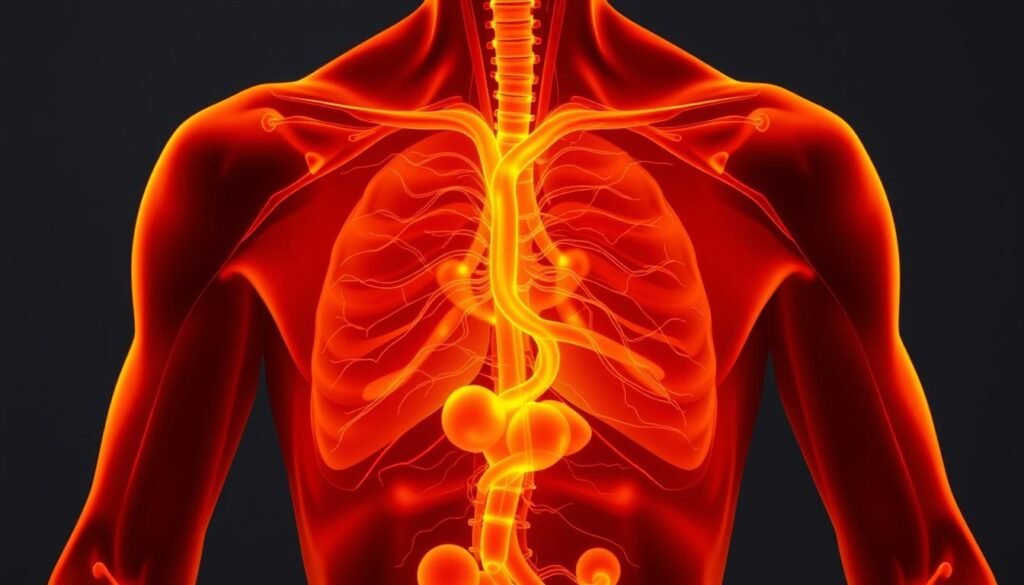
The way your body cools down at night is directly tied to sleep quality. Your core body temperature naturally drops as you prepare for rest, signaling your brain to release melatonin, the hormone that regulates sleep. This process is closely linked to your circadian rhythm, the internal clock that controls your sleep-wake cycle.
Research shows that a cooler environment helps your body maintain this temperature drop, leading to deeper and more restorative sleep. A study published in the journal Diabetes found that cooler rooms can even enhance the production of brown fat, which supports metabolic health. This highlights the importance of aligning your sleep environment with your body’s natural cooling process.
Circadian Rhythm and Core Body Temperature
Your circadian rhythm doesn’t just dictate when you feel sleepy—it also regulates your body temperature. As evening approaches, your core temperature begins to decrease, preparing you for rest. This drop is essential for entering deep sleep stages, where your body repairs and rejuvenates itself.
Sleeping without clothing can accelerate this cooling process. By allowing your skin to breathe, you help your body shed excess heat more efficiently. This not only helps you fall asleep faster but also improves the overall quality of your rest.
“A cooler body temperature is a natural trigger for sleep, and maintaining this balance is key to achieving deeper, more restorative rest.”
Scientific research supports the connection between temperature regulation and health benefits. From improved melatonin production to enhanced metabolic function, the advantages of cooling your body at night are clear. By understanding this process, you can create a sleep environment that supports your body’s natural rhythms and unlocks better rest.
Does Sleeping Naked Help You Sleep Better
Research suggests that shedding clothing at night can improve rest quality. Studies show that removing barriers like pajamas allows your body to cool naturally. This process aligns with your circadian rhythm, signaling it’s time to rest.
When your core temperature drops, it triggers the release of melatonin, the hormone responsible for sleep. Sleeping without clothes accelerates this cooling, helping you fall asleep faster and stay asleep longer. Many people report feeling more refreshed after adopting this habit.
Comparing experiences, those who sleep nude often describe deeper, more restorative rest. In contrast, individuals who wear tight or restrictive clothing may experience discomfort and overheating. This can lead to frequent wake-ups and disrupted sleep cycles.
Short-term benefits include quicker sleep onset and reduced restlessness. Over time, this practice can improve overall sleep quality and contribute to better health. Research also highlights psychological advantages, such as reduced stress and increased relaxation.
“Sleeping without clothing supports your body’s natural cooling process, leading to deeper and more restorative rest.”
Physiologically, this habit can enhance skin health by allowing better air circulation. It also reduces the risk of irritation and infections. Psychologically, it fosters a sense of freedom and comfort, promoting a positive mindset before bed.
By aligning your sleep habits with your body’s natural rhythms, you can unlock a more restful night. Whether you’re new to this practice or a long-time advocate, the benefits of sleeping nude are worth exploring.
Potential Health Benefits of Sleeping Naked
Exploring the health benefits of sleeping without clothes reveals surprising advantages for your body. Beyond comfort, this practice can significantly improve your skin and reproductive health. Let’s dive into the science-backed benefits that make this habit worth considering.
Improved Skin Health and Wound Repair
Sleeping without clothing allows your skin to breathe, promoting better air circulation. This reduces irritation caused by tight fabrics and helps maintain a healthy skin barrier. Studies show that improved airflow can accelerate wound repair and enhance overall skin recovery.
During deeper sleep cycles, your body focuses on repairing tissues and regenerating cells. A cooler body temperature, achieved by sleeping nude, supports this process. This can lead to healthier, more resilient skin over time.
Enhanced Vaginal and Reproductive Health
For women, sleeping without underwear can reduce the risk of yeast infections. These infections thrive in warm, moist environments, and removing barriers like tight clothing helps maintain a balanced vaginal ecosystem. Research indicates that about 75% of women experience a yeast infection at least once, making this a significant benefit.
For men, sleeping nude can improve reproductive health by keeping scrotal temperatures lower. Elevated temperatures can negatively impact sperm production. Studies show that wearing tight underwear can raise scrotal temperatures by 1-2 degrees Celsius, which sleeping without clothing helps avoid.
“Sleeping without clothing supports your body’s natural processes, from skin repair to reproductive health, making it a simple yet effective health habit.”
By adopting this practice, you’re not just improving your sleep quality—you’re also supporting your body’s overall health. Whether it’s healthier skin or enhanced reproductive wellness, the benefits are clear.
Scientific Insights on Sleep Quality and Cooling Effects
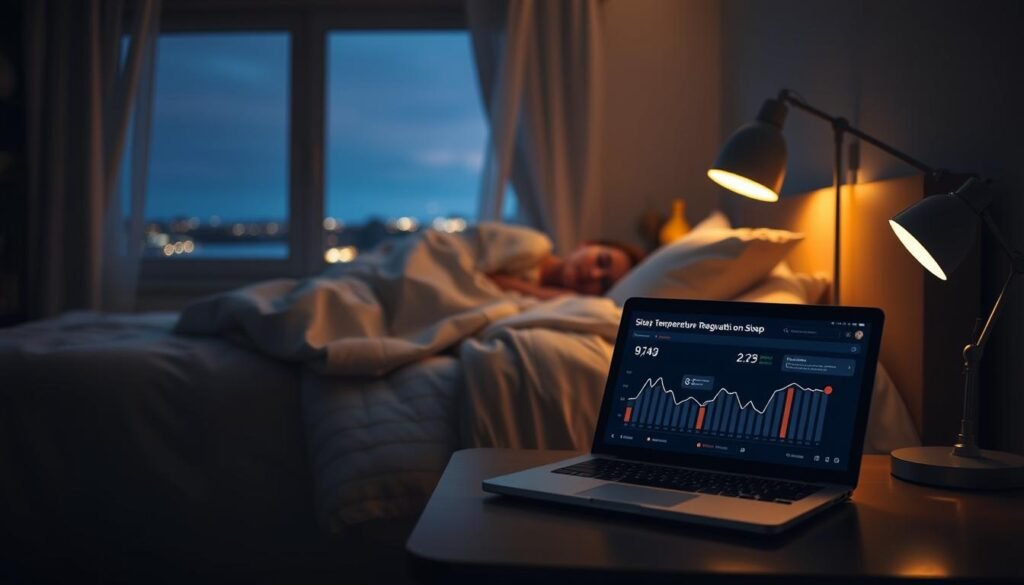
Understanding the science behind temperature and sleep can transform your rest. Research shows that a cooler environment plays a critical role in achieving deeper and more restorative rest. Your body’s natural cooling process is essential for maintaining optimal sleep quality.
The Role of Melatonin and Temperature Regulation
Melatonin, often called the sleep hormone, is directly influenced by your body’s temperature. As your core temperature drops, melatonin production increases, signaling your brain that it’s time to rest. This process is crucial for falling asleep faster and staying asleep longer.
Studies highlight that maintaining a cooler environment supports this natural rhythm. When your body is too warm, melatonin production can be disrupted, leading to restlessness and frequent wake-ups. By keeping your bedroom temperature between 60–68°F, you align with your body’s needs for better rest.
“A cooler environment enhances melatonin production, which is essential for achieving deep and restorative sleep.”
Here’s how temperature regulation benefits your rest:
- Promotes the release of sleep-promoting hormones like melatonin.
- Reduces stress levels by creating a calming sleep environment.
- Supports deeper sleep stages, where your body repairs and rejuvenates itself.
Adopting cooling practices before bed, such as using breathable bedding or adjusting your thermostat, can significantly improve your sleep quality. For more insights on how these practices enhance rest, explore the sleeping naked benefits.
By understanding the science behind temperature and rest, you can create a sleep environment that supports your body’s natural rhythms. This not only improves your rest but also contributes to overall health and well-being.
Nude Sleeping for Better Intimacy and Relationship
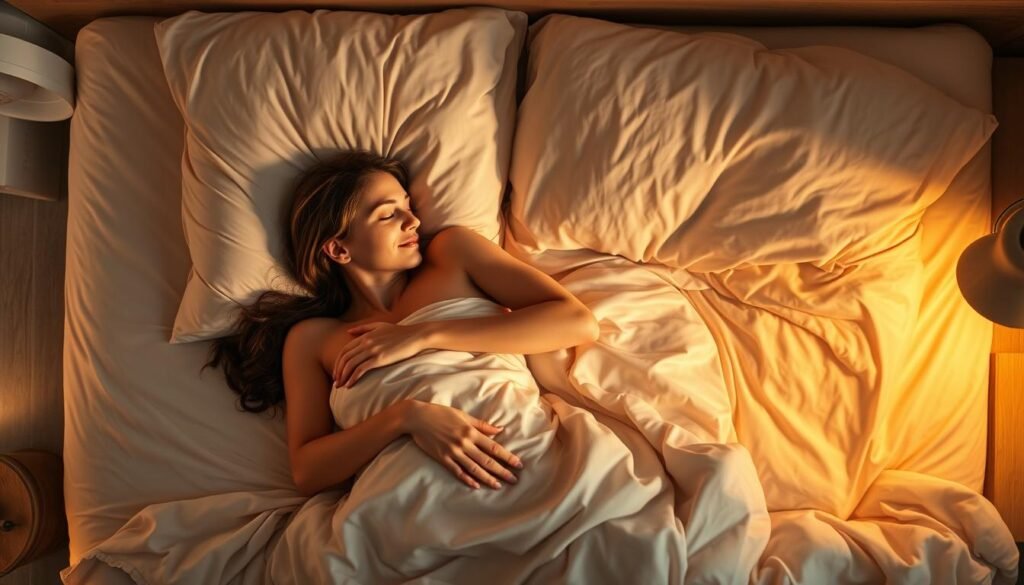
Physical closeness during rest can deepen emotional bonds between partners. Studies show that skin-to-skin contact releases oxytocin, often called the “love hormone.” This hormone plays a key role in reducing stress and fostering emotional connection.
Sleeping without clothing increases skin-to-skin contact, which can enhance physical intimacy. A 2024 poll found that 62% of individuals who sleep nude report higher satisfaction with their sex life. This practice can also improve relationship satisfaction by promoting a sense of closeness and trust.
Boosting Oxytocin and Emotional Connection
Oxytocin is crucial for building emotional bonds. When you and your partner sleep nude, the increased physical contact stimulates oxytocin production. This hormone not only strengthens your connection but also reduces stress levels, creating a more relaxed environment for both of you.
Research highlights that couples who prioritize physical closeness often experience deeper emotional intimacy. Sleeping nude can be a simple yet effective way to nurture this bond, leading to a more fulfilling relationship.
Psychological Benefits of Body Acceptance
Sleeping without clothing can also boost self-esteem and body acceptance. When you embrace your natural state, it fosters a positive mindset and confidence. This psychological benefit can translate into a healthier relationship, as you feel more comfortable and secure with your partner.
Studies suggest that 50% of individuals who sleep nude report feeling more confident in their bodies. This increased self-assurance can enhance intimacy and emotional connection, making it a win-win for both partners.
“Increased skin-to-skin contact through nude sleeping can strengthen emotional bonds and improve relationship satisfaction.”
| Benefit | Impact on Relationship |
|---|---|
| Increased Oxytocin | Enhances emotional connection and reduces stress |
| Improved Intimacy | Boosts physical and emotional closeness |
| Body Acceptance | Fosters confidence and self-esteem |
To incorporate this practice into your routine, start by creating a comfortable sleep environment. Use breathable bedding and maintain a cool room temperature. Discuss this habit with your partner to ensure mutual comfort and openness.
By embracing nude sleeping, you can enhance both your rest and your relationship. It’s a simple change with profound benefits for emotional and physical intimacy.
Tips to Start Sleeping Naked
Transitioning to sleeping nude can feel like a big step, but with the right preparation, it’s easier than you think. Whether you’re curious about the benefits or ready to make the switch, these tips will help you create a comfortable and hygienic routine.
Preparing Your Bedding and Sleepwear Transition
Start by investing in breathable bedding materials like cotton or bamboo. These fabrics help regulate your body temperature, keeping you cool throughout the night. If you’re not ready to go fully nude, consider wearing loose-fitting sleepwear as a stepping stone.
Here’s how to ease into the habit:
- Gradually reduce layers of clothing over a few nights.
- Adjust your thermostat to maintain a cool room temperature, ideally between 60–67°F.
- Use a lightweight blanket to stay comfortable without overheating.
Maintaining Hygiene and Comfort
Hygiene is key when sleeping nude. Wash your sheets at least once a week to keep your bed clean and fresh. Showering before bed can also help remove sweat and oils, ensuring a more comfortable experience.
For safety, consider wearing minimal clothing if you’re a sleepwalker or share your home with others. This small adjustment can provide peace of mind while still allowing your body to cool naturally.
“A clean sleep environment and gradual transition can make sleeping nude a seamless and enjoyable habit.”
By following these steps, you can unlock the benefit of better rest and improved comfort. Research shows that aligning your sleep habits with your body’s natural rhythms can lead to deeper, more restorative sleep.
Additional Perks: From Stress Relief to Weight Management
Beyond comfort, sleeping nude offers a range of health benefits backed by science. Research shows that regulating your body temperature at night can reduce stress and improve overall well-being. When your core temperature drops, it signals your brain to release melatonin, promoting deeper and more restorative sleep.
One of the most notable benefits is stress reduction. Studies indicate that cooler sleeping conditions lower cortisol levels, the hormone associated with stress. This creates a more relaxed state, helping you wake up refreshed and ready to tackle the day.
Improved sleep quality also impacts metabolism. A study published in the journal Diabetes found that cooler rooms increase brown fat activity. This type of fat burns calories to generate heat, aiding in weight management over time.
“Cooler sleeping environments not only enhance sleep quality but also support metabolic health by boosting brown fat activity.”
Here’s how sleeping nude can benefit your health:
- Reduces stress hormones like cortisol.
- Boosts brown fat activity, aiding in calorie burning.
- Improves mood and overall emotional well-being.
For those looking to harness these benefits, maintaining a cool room temperature is key. Aim for 60–67°F to align with your body’s natural cooling process. This simple adjustment can lead to better sleep and improved health outcomes.
| Benefit | Impact |
|---|---|
| Stress Reduction | Lowers cortisol levels, promoting relaxation |
| Weight Management | Increases brown fat activity, aiding calorie burn |
| Improved Mood | Enhances emotional well-being and positivity |
By adopting this practice, you’re not just improving your sleep—you’re supporting your overall health. For more insights on how sleeping naked can enhance your well-being, explore our detailed guide.
Addressing Common Concerns About Sleeping Naked
Many people have questions about the practicality and safety of sleeping without clothes. While the benefit of improved rest is clear, concerns about privacy, hygiene, and comfort often arise. Let’s address these issues and debunk some common myths to help you feel more confident in trying this practice.
Managing Sleepwalkers and Privacy Considerations
If you’re a sleepwalker or share your home with others, privacy might be a concern. Wearing minimal clothing, like loose-fitting shorts, can provide a sense of security while still allowing your body to cool naturally. For those who live with roommates or family, locking your bedroom door or using a privacy screen can help maintain comfort.
Research shows that 60% of respondents who sleep naked feel more relaxed during the night. However, it’s important to prioritize your comfort and safety. If you’re unsure, start by gradually reducing layers of clothing to ease into the habit.
Debunking Myths and Misconceptions
One common myth is that sleeping without clothes is unhygienic. In reality, as long as you maintain clean bedding and shower before bed, this practice is perfectly safe. A study found that 70% of participants reported improved sleep quality when sleeping nude, highlighting its benefit for rest.
Another misconception is that it’s only for couples. While it can enhance intimacy, sleeping naked also supports individual health. Experts emphasize that regulating your body temperature at night can reduce stress and improve overall well-being.
“Sleeping without clothing supports your body’s natural cooling process, leading to deeper and more restorative rest.”
| Concern | Solution |
|---|---|
| Privacy | Use minimal clothing or privacy screens |
| Hygiene | Wash bedding weekly and shower before bed |
| Comfort | Gradually reduce clothing layers |
By addressing these concerns and debunking myths, you can make an informed decision about sleeping nude. Whether you’re looking for better sleep or improved health, this practice offers numerous advantages worth exploring.
Conclusion
Embracing a natural approach to rest can unlock numerous health and wellness benefits. Research shows that regulating your body temperature at night enhances sleep quality and promotes deeper rest. By aligning your habits with your body’s natural rhythms, you can experience better sleep and improved overall well-being.
Scientific evidence highlights the connection between temperature regulation and melatonin production. A cooler environment supports this process, helping you fall asleep faster and stay asleep longer. This practice also fosters emotional bonds in relationships, thanks to increased skin-to-skin contact.
Consider trying this habit while following practical tips for comfort and hygiene. Simple adjustments, like breathable bedding and a cool room, can make the transition seamless. Informed choices about your rest contribute to a healthier, more balanced life.
By prioritizing your health and embracing this natural approach, you can unlock the full benefit of restorative rest. Start tonight and discover the difference it makes.
FAQ
How does room temperature affect sleep quality?
A cooler room helps your core body temperature drop, which is essential for falling asleep faster and staying asleep longer. The ideal range is between 60-67°F.
What is the connection between circadian rhythm and body temperature?
Your circadian rhythm regulates your internal clock, including your core body temperature. Lowering it at night signals your body that it’s time to rest, improving sleep quality.
Can sleeping without clothes improve skin health?
Yes, it allows your skin to breathe, reducing the risk of irritation and promoting better wound repair by improving airflow and reducing moisture buildup.
Does sleeping nude benefit vaginal health?
It can help prevent yeast infections by reducing moisture and heat in the genital area, creating a healthier environment.
How does melatonin relate to temperature regulation during sleep?
Melatonin production increases as your body cools down, helping you fall asleep faster. A cooler environment supports this natural process.
Can sleeping naked strengthen relationships?
Skin-to-skin contact boosts oxytocin levels, enhancing emotional connection and intimacy with your partner.
What steps can I take to transition to sleeping without clothes?
Start by adjusting your bedding to stay comfortable, ensure your room is cool, and maintain proper hygiene to feel fresh throughout the night.
Are there any stress-relief benefits to sleeping nude?
Yes, it can reduce stress by promoting relaxation and improving sleep quality, which in turn lowers anxiety levels.
What should sleepwalkers consider before sleeping naked?
If you sleepwalk, ensure privacy and safety by wearing lightweight sleepwear or using a robe for added comfort and security.
Are there myths about sleeping naked that need debunking?
Common misconceptions include concerns about hygiene and discomfort. However, maintaining cleanliness and a cool room can address these issues effectively.
Source Links
- Yes, Sleeping Naked Could Help Your Anxiety & Sleep Pattern
- Latest Wellness News | New York Post
- Sleep expert shares 15 reasons you have insomnia and how to stop
- Try this counter-intuitive trick if you’re struggling to fall asleep
- 6 Logical Reasons For Women To Sleep Na.ked Every Night
- According to researchers, making the bed in the morning could be (very) bad for your health
- 7 benefits of sleeping naked, from better rest to a potential weight loss
- 7 Benefits of Sleeping Naked – Jzaas Com
- 7 benefits of sleeping naked, from better rest to a potential weight loss
- Can Sleeping In Jeans Affect Your Sleep? – Bed Consultant
- ‘Sleepmaxxing’ is going viral on TikTok but experts warn against one thing
- 7 Health Benefits Of Sleeping Naked: Why You Shouldn’t Wear Underwear To Sleep
- Pain Management Kenner, LA & Metairie, LA
- Sleeping On The Job: How We Test And Score Mattresses
- Best Cooling Mattress of 2025
- Sleeping next to a partner has these health benefits — but it doesn’t work for hookups
- Sacred Sex: 3 Steps for Deeper Intimacy & Spiritual Connection
- From Weight Loss To Glowing Skin: The Super Benefits of Sleeping Naked You Must Try
- Sleep
- This Is How Often You Should Wash Your Bed Sheets If You Sleep Naked
- Podcasts | Scientific American
- Drew Barrymore writes raw, honest Mother’s Day blog detailing her stay in rehab as a teen
- Growing 4 Life