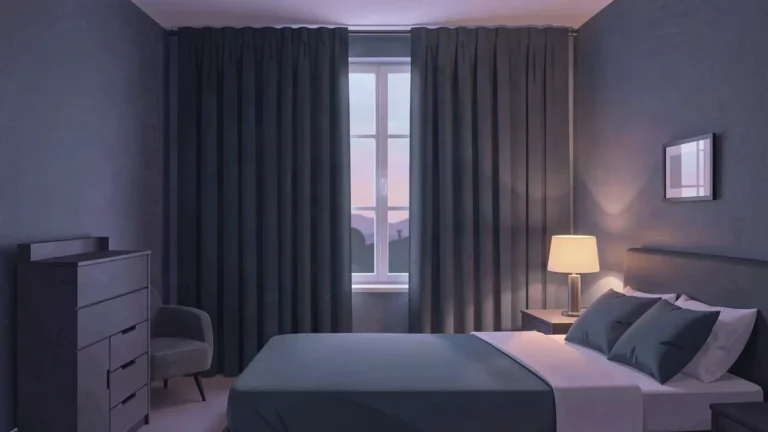
The best way to sleep after a night shift is to go to bed soon after you get home, in a dark, quiet, cool room, and to protect that sleep like night-time sleep. Keep morning light low on the way home, stop caffeine well before bed, and use a planned nap before your next shift to stay alert. The steps below put this into a routine.
Need exact times? The shift work sleep calculator builds a sleep, nap and caffeine plan around your shift start and end times.
Why Is It So Hard To Sleep After A Night Shift?
Your body clock is built for sleeping at night and being awake in the day. After a night shift you are trying to sleep while your clock, daylight and household noise all push you to be awake, so daytime sleep tends to be shorter and lighter.
When the problem lasts, it can become shift work disorder. Its signs include heavy sleepiness, trouble falling or staying asleep, low energy, poor concentration, headaches and irritability, and it raises the risk of mistakes, injuries and drowsy-driving accidents (AASM Sleep Education).
When Should I Sleep After A Night Shift?
For most people, the easiest option is to sleep soon after getting home in the morning, while you are still tired from being awake all night. Some prefer a split: a shorter morning sleep and a nap before the next shift. Either works if the total adds up and the timing is the same each work day.
| Approach | Example (shift 7 PM to 7 AM) | Suits |
|---|---|---|
| Sleep straight after the shift | Bed 8:30 AM to 3:30 PM | Most people; quick to fall asleep |
| Split sleep | Bed 8:30 AM to 1:30 PM, nap 4:30 to 6:00 PM | People who wake early in the day or want afternoon family time |
| Anchor sleep | A fixed 4-hour block every day (for example 9:00 AM to 1:00 PM) plus extra sleep that moves | Rotating shifts |
How Do I Make Daytime Sleep Last Longer?
Treat your bedroom like it is the middle of the night. Darkness, quiet and a cool room do the most to stop you waking early.
- Black out the room. Use blackout blinds or curtains, or an eye mask.
- Block noise. Earplugs or a fan help; ask your household to keep things quiet while you sleep.
- Keep it cool. A cool bedroom helps; daytime rooms often run warm.
- Silence the phone and put it away from the bed.
- Use the same routine as you would before night-time sleep, such as a shower and a short wind-down.
How Should I Use Light On Night Shifts?
Bright light at work and less light in the morning help night workers stay alert and adjust, according to American Academy of Sleep Medicine practice parameters (AASM). In practice that means working under bright light during the shift, and wearing dark sunglasses on the way home so daylight does not wake your body clock up before bed. Screens in bed add light too; the blue light calculator shows which habits matter most.
Should I Nap Before A Night Shift?
Yes. A planned nap before or during a night shift improves alertness and performance, and is one of the measures the AASM supports for night workers. A 20 to 30 minute nap limits grogginess on waking, while a longer nap of about 90 minutes before the shift can top up sleep. The nap calculator helps you choose a length.
How Should Shift Workers Use Caffeine?
Caffeine can improve alertness during a night shift, but timing matters. Use it early in the shift and stop well before your planned sleep: in a sleep study, caffeine taken even 6 hours before bed reduced sleep by more than an hour (Drake et al., 2013). For a 7 AM finish and 8:30 AM bedtime, that means no caffeine after about 2:30 AM. The caffeine and sleep calculator works this out for your times.
What About Days Off Between Night Shifts?
On days off, most people switch back toward a normal night schedule to see family and friends. To make the switch easier, sleep for a short time on the morning after your last shift, stay up through the day with plenty of daylight, and go to bed at a normal time that night. Keeping some overlap between work-day and day-off sleep, such as always being asleep between about 4 and 8 AM, is easier on the body clock.
How Do I Sleep For Early Morning And Rotating Shifts?
Early starts and rotating rotas cause different problems from fixed nights, so the plan changes too.
| Shift pattern | Main problem | What helps |
|---|---|---|
| Early mornings (for example 6 AM starts) | Bedtime is earlier than your body clock wants, so sleep is cut short | Dim evenings, a fixed early bedtime and a short afternoon nap |
| Fixed nights | Daytime sleep is short and light | The steps above: dark room, sunglasses home, planned nap |
| Rotating shifts | The body clock never settles | An anchor sleep block that stays the same, and moving shifts later (day, then evening, then night) where you have a choice |
Whatever the pattern, plan your sleep for the whole week when the rota comes out, so that sleep is booked in like a shift rather than fitted around everything else.
Is It Safe To Drive Home After A Night Shift?
Drowsy driving after a night shift is a real risk. If you are very sleepy, take a short nap before leaving, use public transport or share a ride. Opening a window or turning up the radio does not fix sleepiness.
When Should A Shift Worker See A Doctor?
See a doctor if you have trouble sleeping or are severely tired because of your work schedule for a month or more and it is affecting your work, family or social life. A sleep clinic can help with timing, light therapy and, where appropriate, melatonin or medication, and can check for other problems such as sleep apnea. Ask before using melatonin or sleeping tablets, as timing and dose matter.
Turn this into times that fit your rota with the shift work sleep calculator.
Night Shift Sleep FAQs
How Many Hours Should I Sleep After A Night Shift?
Aim for the same 7 to 9 hours most adults need in 24 hours, from one main sleep or a main sleep plus a nap.
Is It Better To Sleep Right After A Night Shift Or Later?
Most people sleep best soon after getting home, when sleep pressure is highest. Choose one pattern and keep it the same on work days.
Can Melatonin Help Daytime Sleep?
Melatonin taken before daytime sleep can help night shift workers sleep, but ask a doctor or pharmacist about timing and dose first.
Why Do I Wake Up After Only A Few Hours?
Light, noise, heat and your body clock all push you awake in the day. Blackout, earplugs and a cool room help most.
Should I Wear Sunglasses After A Night Shift?
Dark sunglasses on the way home reduce morning light, which helps you fall asleep sooner once you get to bed.
How Do I Recover Sleep After A Run Of Night Shifts?
Take a short sleep the morning after the last shift, stay up in daylight, and go to bed at a normal time that night.