Updated November 4, 2026
Quick answer: Choose down alternative for a fluffable, usually easier-care feel. Choose memory foam for slower contouring and more stable shape. Neither material is automatically cooler, healthier, or better for every sleep position.
Original product and context images
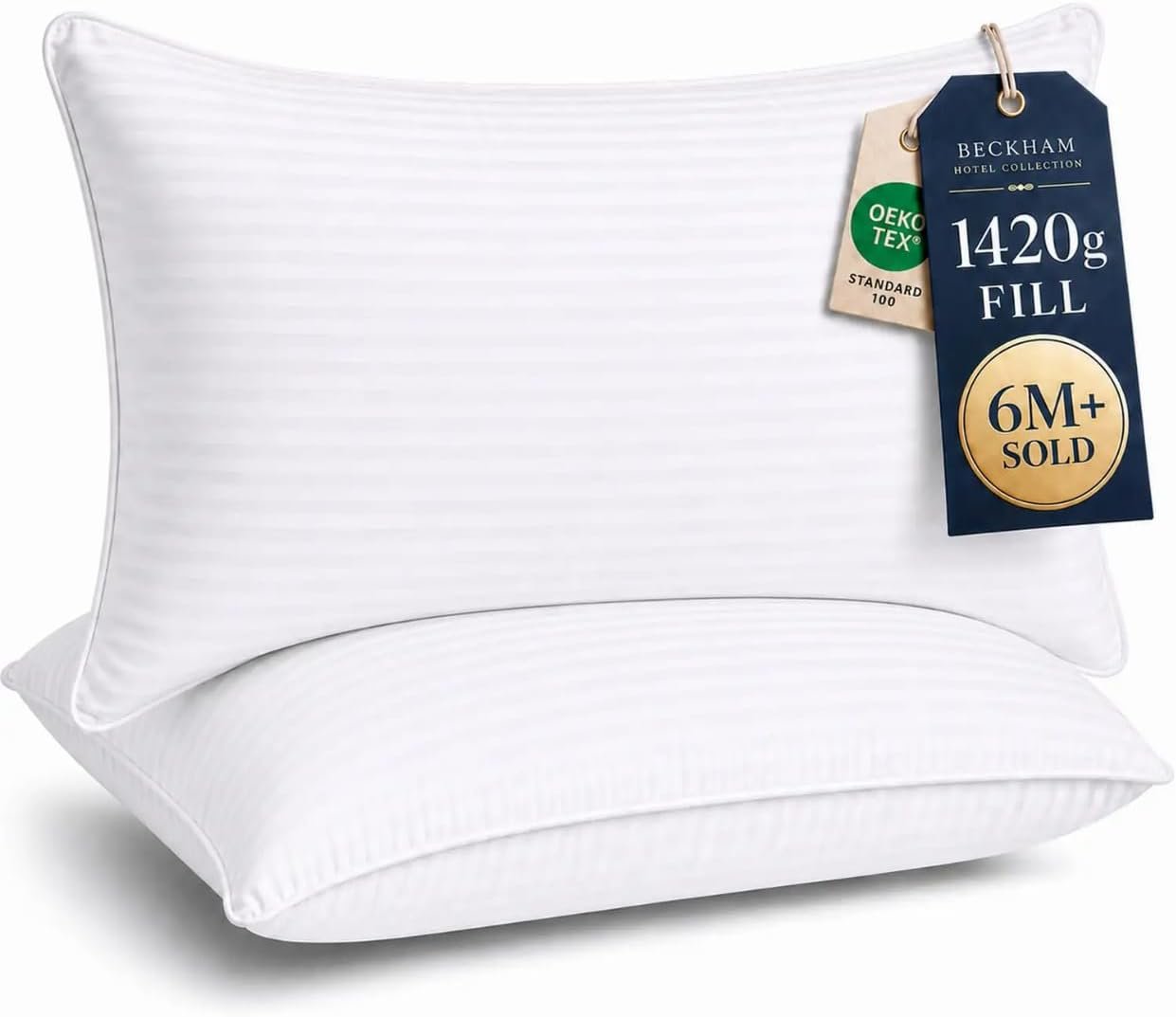
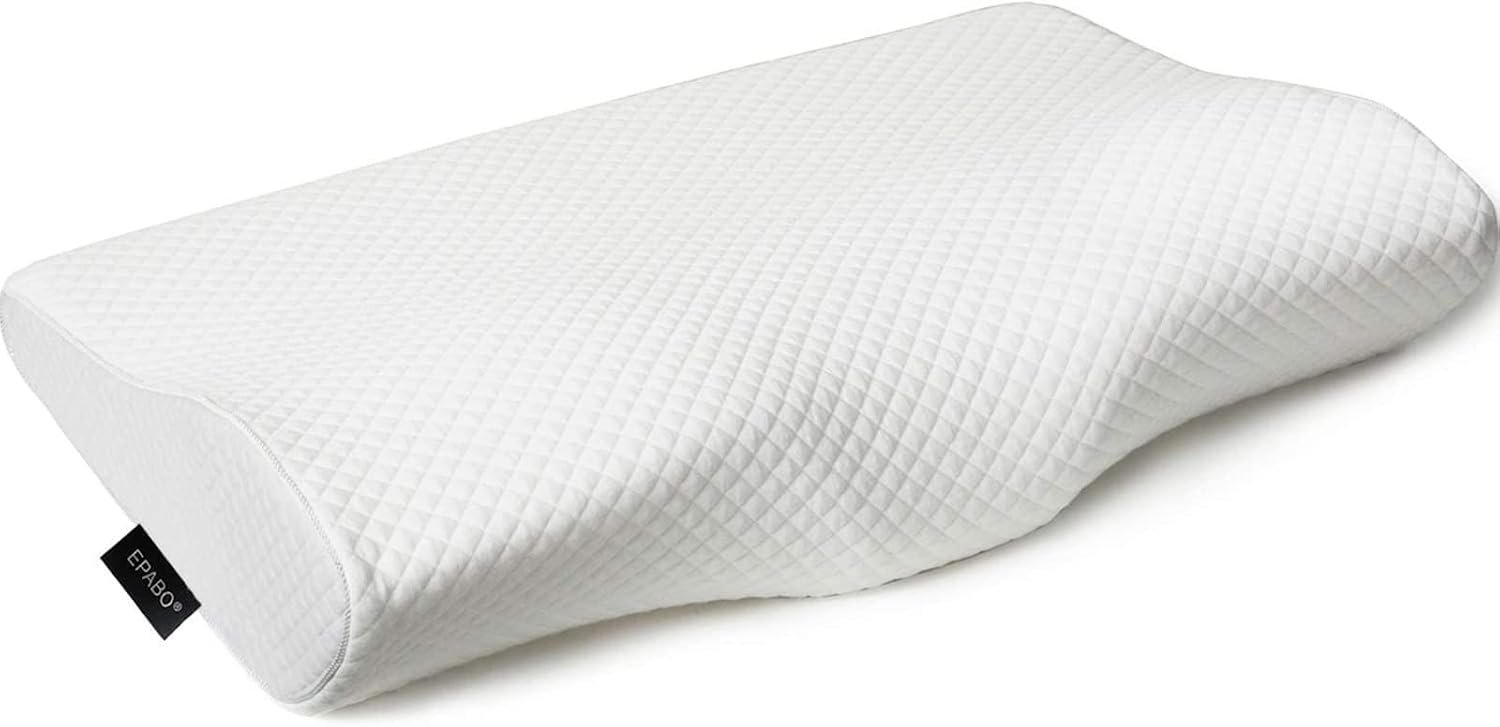
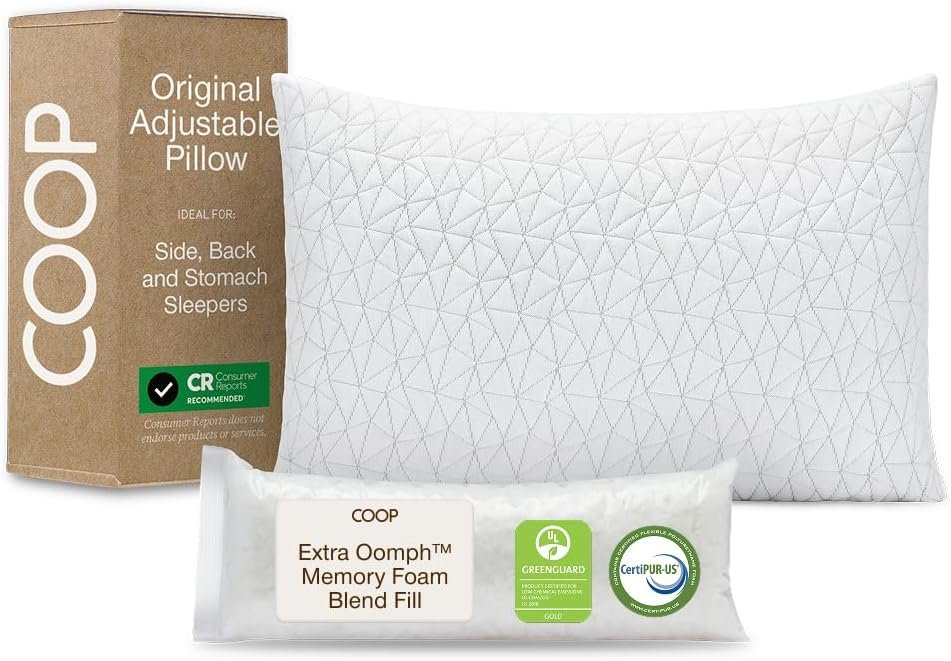
Existing first-party site images are retained for construction context and product identification. Packaging and specifications may change.
What is the main difference between down alternative and memory foam?
Down alternative uses synthetic fiber clusters or batting that compress and fluff. Memory foam responds to pressure and heat, then recovers toward its molded or filled shape.
Which pillow gives more consistent support?
Solid or densely filled memory foam usually holds a defined contour more consistently. Down alternative redistributes more easily and may need refluffing to restore height.
Consistency is useful only when the loft fits your shoulder gap, mattress sink, and sleep position. A stable pillow at the wrong height can still increase discomfort.
Which material sleeps cooler?
No material label guarantees a cooler night. Loose fiber can permit airflow, while dense foam may retain warmth; however, covers, perforations, fill amount, room temperature, and moisture change the result.
Compare the entire construction and return terms rather than relying on “cooling” or “breathable” in a product name.
Which pillow is easier to clean?
Some down-alternative pillows allow machine washing, while solid memory foam usually requires cover washing and a dry core. Adjustable foam care varies by brand.
Follow the sewn label. The material-specific pillow care guide explains drying and replacement checks.
How should you read fill and marketing labels?
“Down alternative” generally describes a non-down fill, not a regulated percentage of down. If a seller makes real down or feather claims, the FTC expects accurate, substantiated labeling.
Source: Federal Trade Commission down and feather labeling guidance.
Which construction fits your priority?
Use the priority below as a starting point, then confirm dimensions, compressed height, care, and the return window.
What matters most to you?
How can you compare the two materials at home?
Compare them for the same job rather than judging whichever feels softer for a few seconds. Use the same pillowcase and mattress, begin with a similar compressed height, and test each construction across your normal sleep positions.
Track support and movement
Record whether you fold the pillow, add an arm underneath, wake to reshape it, or feel the head gradually sink. These observations show how the construction behaves over a full night.
Track heat and care
Note warmth, moisture and how easily the pillow can be cleaned. Check the care label rather than assuming every down-alternative pillow is machine washable or every foam pillow has a washable core.
Decision shortcut: choose down alternative when easy fluffing and a lighter, more traditional feel matter most. Choose memory foam when slower response and shape retention matter more. Then refine the decision with loft, firmness, ventilation and the actual return policy.
Material names alone do not determine quality. Construction, density, fill quantity, cover fabric and manufacturing consistency can matter more than the broad category printed on the package.
Frequently asked questions
Is down alternative hypoallergenic?
No material is universally hypoallergenic. Reactions may involve fill, covers, finishes, dust, or mites.
Does memory foam flatten?
Foam can soften or lose recovery with use. Replace it when shape and support no longer return.
Can side sleepers use down alternative?
Yes, when the compressed height remains sufficient. Recheck loft after settling.
Which lasts longer?
Construction quality and use matter more than the category name. Use recovery and condition checks instead of a fixed lifespan.